
The Quiet Storm in EU-Israel Trade: Why Investors Must Act Now on Ireland's Settlement Ban
The geopolitical chessboard just got hotter. Ireland's bold move to ban imports from Israeli settlements in the West Bank and East Jerusalem isn't just a symbolic slap—it's a seismic shift that could upend EU-Israel trade relations and send shockwaves through global markets. This is a game-changer for investors, and here's why you need to pay attention now.
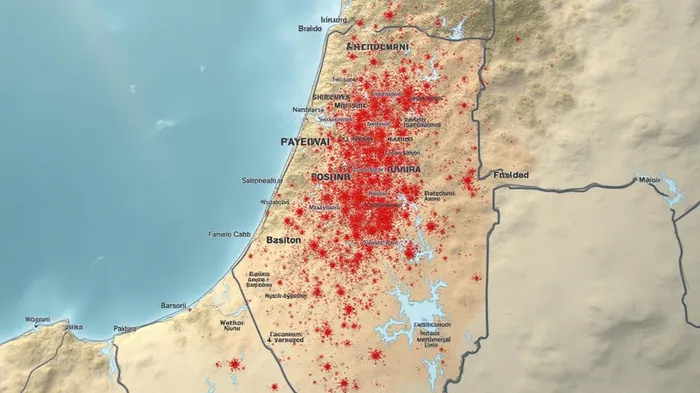
Let's start with the facts: Ireland's legislation, set to pass this summer, will criminalize the import of goods like olives, dates, and cosmetics from Israeli settlements deemed illegal under international law. While the economic stakes for Ireland are minuscule—€685,000 in annual trade—this is about principle. And principles can quickly turn into profit or peril for your portfolio.
The Geopolitical Tipping Point: EU Fragmentation or Unity?
This isn't just about Ireland. The ban signals a growing rift within the EU over Israel's policies. The International Court of Justice's 2024 ruling that settlements are illegal has given smaller EU nations like Ireland the legal cover to act unilaterally. But here's the rub: the EU's 1995 trade deal with Israel, which boosted bilateral trade to over €75 billion annually, is now under scrutiny.
If other EU countries follow Ireland's lead—or if the EU itself revises the 1995 agreement—the ripple effects will be massive. Companies reliant on settlement-based supply chains could face sudden disruptions, while firms that anticipate this shift stand to profit.
The Red Flags: Which Stocks to Short?
The immediate risk lies in sectors tied to settlements. Start with agricultural exporters: Israel's settlement farms supply Europe with specialty crops. Firms like Tnuva (a subsidiary of Strauss Group, STRS.TA on the Tel Aviv Stock Exchange) or European distributors in the olive and citrus trade could see demand plummet.
Then there's consumer goods. Companies sourcing cosmetics from settlements—like Dead Sea-based skincare lines—might face boycotts or regulatory hurdles. Even tech and tourism aren't safe yet. The current ban excludes services, but that loophole won't last. Imagine Airbnb's stock (AIRBNB) if EU regulators suddenly target travel companies enabling settlement tourism.
The Green Lights: Where to Invest?
The flip side? Companies that pivot now to comply with emerging regulations will dominate. Look for firms in the EU or globally that can source goods from non-settlement Israeli areas or alternative regions. For example:
- Agriculture Alternatives: Dutch or Spanish growers stepping in to fill the olive/date gap.
- Compliance Tech: Firms like SAP (SAP) or Oracle (ORCL) offering supply chain transparency tools to trace product origins.
- EU-Israel Divestment Funds: ETFs like the iShares MSCI Israel Capped ETF (EIS) could see volatility, but smart investors might short them while buying into EU-based competitors.
Don't ignore regulatory arbitrage opportunities. Firms shifting production to comply with EU standards—like labeling settlement goods separately—could gain market share as consumers demand ethical sourcing.
The Clock is Ticking: Move Before the Summer Recess
Ireland's bill faces procedural hurdles, but passage by summer 2025 is likely. The EU's delayed response means companies have a narrow window to adjust. Investors who wait until the ban is enforced will be too late.
Final Call: This Isn't Just About Politics—It's About Profits
Geopolitical shifts this big don't come often. Ireland's ban is the opening salvo in a broader EU-Israel showdown. For investors, this means two plays:
- Short the vulnerable: Target stocks with settlement exposure and no clear compliance plan.
- Go long on preparedness: Back firms innovating in transparency, diversification, or alternative supply chains.
The EU's next move—whether to adopt collective sanctions—will decide the scale of disruption. But one thing's clear: those who act now will reap rewards when the dust settles.
Action Steps Today:
- Short EIS or STRS.TA.
- Buy SAP or ORCL.
- Watch for EU-Israel trade talks in Q3 2025—this is where the next volatility will hit.
The storm is coming. Don't be caught flat-footed.
This is not financial advice. Consult your advisor before making investment decisions.







Comentarios
Aún no hay comentarios