
QTLT's Dividend Boost and ESG Edge in a Rising Rate World
The Mackenzie US Government Long Bond Index ETF (QTLT) recently declared a CAD 0.3207 dividend per unit, marking a notable payout for investors in an environment where bond yields are under pressure. While the ETF's focus on U.S. Treasury bonds positions it as a low-risk, high-yield play, its ESG profile—though not headline-grabbing—offers a strategic advantage in an era where sustainability metrics increasingly influence investment decisions. Here's why QTLT could be a compelling choice for income-seeking investors, even as rates rise.
The Dividend Advantage: A Steady Stream in Volatile Markets
QTLT's May 2025 dividend of CAD 0.3207, paid out on June 9, translates to an annualized yield of ~4.1% based on its May 23 closing price of CAD 95.32. This yield is a standout in a world where many bond ETFs are struggling to keep pace with inflation. . The ETF's mandate to track the Solactive US 20+ Year Treasury Bond CAD Index ensures it captures the premium offered by long-dated government bonds, which are less volatile than corporate or corporate-related debt. For income investors, this is a critical edge in a rising rate environment, where shorter-term bonds face valuation drags.
ESG Metrics: A Low-Controversy Play in a High-Stakes World
While QTLT isn't marketed as an ESG-focused ETF, its exposure to U.S. government bonds inherently minimizes exposure to sectors linked to environmental or social controversies. The fund's ESG profile, evaluated through frameworks like MSCI's rating system, likely scores well in governance and social risk categories. Key metrics include:
- Weighted Average Carbon Intensity (WACI): U.S. Treasury bonds are carbon-neutral by nature, giving QTLT a WACI of near-zero—a stark contrast to corporate bond ETFs with fossil fuel exposure (e.g., 14.5% fossil fuel involvement in a similar Mackenzie bond fund).
- Exposure to Controversies: Government bonds are not tied to companies involved in severe controversies like labor violations or environmental disasters.
- Board Diversity: While not directly applicable to Treasuries, the fund's holdings avoid companies with poor governance practices, aligning with the low-risk ethos of government-backed debt.
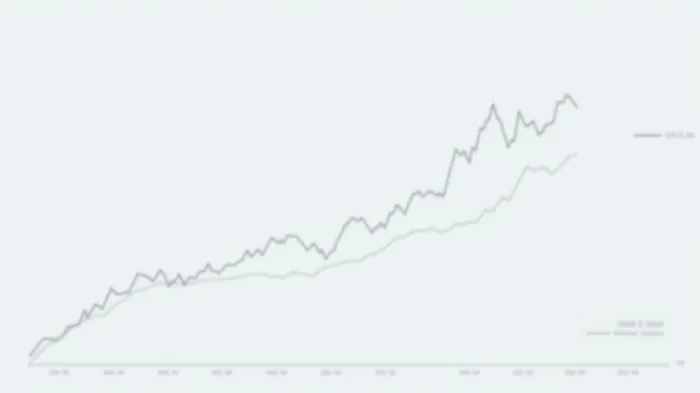 .
.
Why Rising Rates Don't Doom This ETF
Critics will note that long-dated bonds like those in QTLT are sensitive to rising interest rates. But here's the counterargument:
1. Yield Compensation: The ~4.1% yield is a direct hedge against inflation and provides a meaningful return even if prices dip modestly.
2. Maturity Dynamics: The ETF's focus on 20+-year Treasuries means it benefits from eventual rate stability or declines once the Fed pauses hikes.
3. ESG-Driven Demand: Investors increasingly prioritize “clean” income streams. While QTLT isn't an ESG leader, its lack of controversy and carbon-free exposure align with a broadening definition of sustainability that values risk mitigation over impact investing.
The Case for Immediate Action
QTLT's combination of yield, ESG resilience, and low fees (0.18% expense ratio) makes it a standout option for portfolios needing income without overexposure to corporate risk. For investors who can tolerate moderate volatility in bond prices, the ETF's dividend history and structural advantages position it as a “set-and-forget” income generator.
.
Final Take
In a world where ESG considerations are non-negotiable and yields are scarce, QTLT offers a rare trifecta: a reliable dividend, low controversy exposure, and a defensive position in a rate-sensitive market. The CAD 0.3207 payout isn't just a number—it's a signal that this ETF is built to thrive in the current economic climate. For income investors, the time to act is now.







Comentarios
Aún no hay comentarios