
QSR Franchise Distress Signals Systemic Cash Flow Risks
The pressure cooker for quick-service restaurant franchisees is reaching critical temperature. California's radical wage hike to $20 per hour under AB 1228 unleashed immediate devastation, wiping out 22,000 QSR jobs and forcing menu prices up nearly 15% almost overnight. This brutal reality now stalks franchisees nationwide, trapping them between soaring labor costs and shrinking margins as delivery platforms flex their newfound muscle. Platforms like Uber Eats and DoorDash now routinely grab 30% or more of every dollar spent on off-premise orders, directly cannibalizing the core dine-in revenue stream franchisees desperately need to stay afloat. Compounding this financial siege, the landscape is shrouded in regulatory fog: California's SB 919, poised to reshape broker fees and franchise agreements in July 2026, looms large alongside ongoing FTC scrutiny of franchise practices and potential shifts in worker classification rules. The result? A franchisee facing a stark, untenable choice: pour ever-dwindling cash into mandated wages to survive, or face closure as costs outpace what middle-income customers and delivery fees can sustainably cover. This isn't just operational stress-it's a direct, cash flow attack on the franchise model's viability.
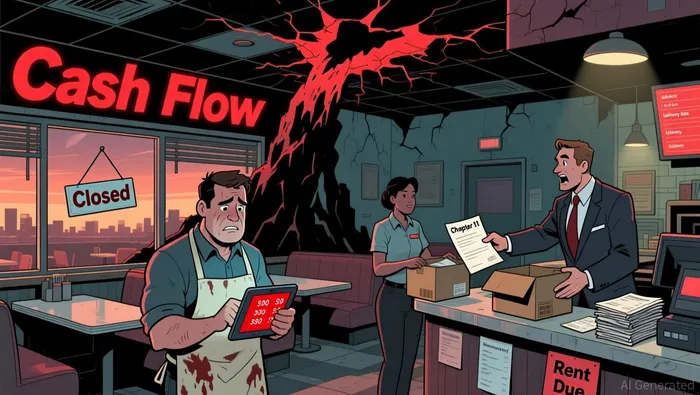
The landscape for quick-service restaurant franchisors looks increasingly perilous as mounting pressure on franchisees threatens to erode their core cash flow engine. Stricter labor costs, exemplified by California's $20 minimum wage law that already slashed 22,000 jobs and forced 14.5% menu price hikes, squeeze already thin operator margins. This fiscal strain manifests starkly in the bankruptcy courts, where 21 chains including Subway, Del Taco, and Hooters are buckling under debt and declining sales, with Del Taco and Hooters already shuttering dozens of locations through Chapter 11 proceedings. For franchisors, these franchisee failures aren't isolated incidents; they trigger a damaging chain reaction. When franchisees default on rent payments or fail to make royalty fees tied to lagging sales, the franchisor's hard-won cash flow evaporates. This creates a vicious cycle where weaker cash flow limits the franchisor's ability to support struggling franchisees, potentially accelerating further closures. The situation is particularly acute when franchisees face $200,000+ annual operational deficits yet still receive rent demands from property-owning franchisors or landlords, forcing impossible choices between debt service, rent, and survival. This escalating friction between franchisor and franchisee interests is a significant, often underestimated, tail risk for investors in otherwise seemingly stable franchise royalty streams.
The California fast-food wage law represents an immediate and brutal stress test for the franchise model. AB 1228's jump to a $20 minimum wage triggered 22,000 job cuts and forced prices up 14.5% in 2025, directly squeezing already thin operator margins. This isn't isolated pain; delivery platforms are tightening their grip, using commissions that easily threaten 30% of revenue – a floor for many franchisees. Regulatory pressure is intensifying simultaneously, with the FTC zeroing in on franchise broker practices and "junk fees," alongside California's SB 919 targeting broker commissions starting next July. Franchisees now face a brutal squeeze between soaring labor costs, relentless delivery fees, and complex new regulations, often confronting $200,000+ annual cash flow deficits while still obligated to meet franchisor rent demands.
The path forward splits into three stark scenarios. In the best case, operators negotiate lease terms or invest in automation to blunt the wage shock, preserving some profitability. The base case looks grim: relentless margin compression erodes 20% of operating income as wage hikes, delivery fees, and inflation compound. The worst-case scenario sees delivery commissions soar above 30%, pushing many locations into insolvency as consumer price resistance grows. This regulatory and cost pressure demands a defensive stance: we must reduce positions where compliance costs threaten to exceed 15% of revenue or where cash flow coverage dips below 1.2x, actions that could quickly evaporate the thin buffers protecting weaker franchisees.







Comentarios
Aún no hay comentarios