
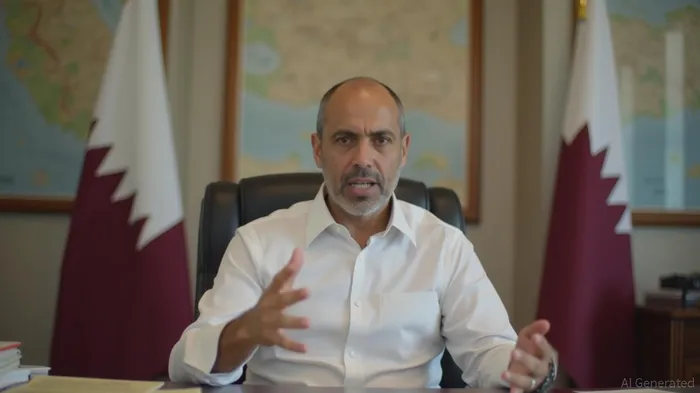
Qatar foreign ministry spokesperson: We do not have information on any Mossad cells at the moment
Qatar foreign ministry spokesperson: We do not have information on any Mossad cells at the moment
Qatar Denies Presence of Mossad Cells Amid Escalating Regional Tensions
The Qatari foreign ministry has stated it has no information about the presence of Mossad intelligence cells within the country, according to a spokesperson. This comes amid heightened regional tensions following coordinated U.S.-Israeli strikes on Iran, which have triggered a broader conflict across the Middle East. The strikes, which killed Iranian Supreme Leader Ayatollah Ali Khamenei and dozens of other officials, have led to retaliatory attacks by Iran and its allies, including strikes on Gulf states such as the UAE and Saudi Arabia.
The conflict has already disrupted global energy markets. Oil prices surged sharply following the attacks, with traders fearing disruptions to supply from the Persian Gulf. The Strait of Hormuz, a critical oil chokepoint, has become a focal point of concern, prompting eight OPEC+ nations to pledge increased crude production to stabilize markets. Meanwhile, QatarEnergy announced an indefinite halt to liquefied natural gas (LNG) production, citing operational challenges amid the crisis, sending European gas prices soaring by 40%.
Regional defense expenditures are also under scrutiny. Gulf states, including the UAE and Saudi Arabia, have emphasized their readiness to defend against Iranian strikes, relying on U.S.-backed missile defense systems like THAAD and Patriot batteries. However, experts warn that sustained conflict could strain these systems, potentially depleting critical interceptors and resources.
The financial implications extend beyond energy markets. Air travel has been severely impacted, with Dubai International Airport closing temporarily and hundreds of flights canceled, affecting global connectivity and tourism revenue. Additionally, the war's prolonged nature raises concerns about long-term economic instability in the region, particularly for countries balancing defense spending with development priorities.
As the conflict evolves, investors are closely monitoring diplomatic developments, including the selection of Iran's next supreme leader and potential shifts in U.S. military strategy. For now, the Gulf's financial resilience—and its ability to maintain energy exports—will remain pivotal to global market stability.
[^NUMBER citations correspond to the source materials provided.]






Comentarios
Aún no hay comentarios