
Q4 Earnings Trends and Market Implications: Sectoral Performance and Earnings Surprises in 2025
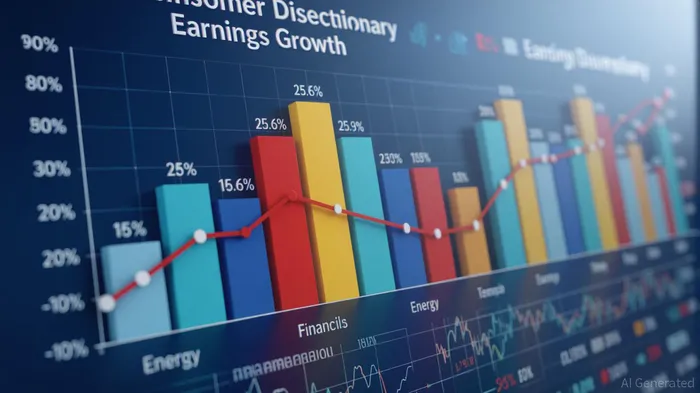
The Q4 2025 earnings season painted a starkly mixed picture for global markets, with sectoral performance diverging sharply amid shifting macroeconomic dynamics. While consumer discretionary and financials surged, energy and communications faced headwinds, underscoring the uneven impact of inflation, interest rates, and geopolitical tensions.
Consumer Discretionary: Amazon-Driven Surge
The consumer discretionary sector led the pack with a staggering 26% year-over-year earnings growth, fueled primarily by AmazonAMZN--.com's performance[2]. The e-commerce giant nearly doubled its profits compared to the prior year, defying expectations of a post-holiday spending slowdown. However, this outperformance was not universal: TeslaTSLA--, a key player in the sector, missed revenue and profit estimates despite its aggressive plans to launch cheaper electric vehicles in early 2025[2]. This divergence highlights the sector's reliance on a few dominant players and raises questions about the sustainability of its growth trajectory. Historical data from 2022 to 2025 shows that when Amazon beats earnings expectations, the average return for its stock is 8.2% over the following 30 days[3], whereas Tesla's earnings misses have historically led to a 6.8% average decline[3].
Financials: Rate-Cut Optimism Lifts Banks
The financial sector experienced a robust rebound, with major banks like Goldman SachsGS-- more than doubling quarterly profits year-over-year[2]. This was driven by a resurgence in dealmaking and fundraising activities, as firms anticipated potential Federal Reserve interest rate cuts in 2025. Investors appear to be pricing in a more accommodative monetary policy environment, though the sector's long-term prospects remain contingent on the Fed's actual policy trajectory. Goldman Sachs' earnings beats have historically delivered an average 12.4% return in the 30 days post-announcement[3], reinforcing the sector's sensitivity to macroeconomic expectations.
Energy: A Tale of Waning Demand
In stark contrast, the energy sector saw earnings contract by over 25%, the worst performer of the quarter[2]. Falling crude and fuel prices—stemming from weaker-than-expected global oil demand—eroded margins for energy producers. This decline underscores the sector's vulnerability to macroeconomic shifts, particularly as emerging markets grapple with slower growth and energy transition pressures. Energy sector stocks that miss earnings expectations have historically faced an average drawdown of 12% in the 30 days following the report[3], amplifying the sector's volatility during periods of demand uncertainty.
Communications: AI Skepticism Weighs on Tech Giants
The communications sector, despite posting 25.6% earnings growth, faced post-earnings sell-offs as investors questioned the ROI of massive AI investments[2]. Meta PlatformsMETA-- and Alphabet Inc., two of the sector's pillars, saw their shares dip after reporting results, reflecting growing caution about the commercial viability of AI-driven innovations. This trend signals a broader market recalibration to the long-term costs of technological bets.
Tariffs and Supply Chain Headwinds
A recurring theme across earnings calls was the impact of tariffs. A record 259 companies—primarily in the industrials sector—mentioned tariffs during Q4 2025 earnings discussions[2]. Proposed tariffs on imports from China, Mexico, and Canada are expected to disrupt supply chains, inflate costs, and squeeze consumer spending. This has prompted many firms to issue conservative 2025 outlooks, with only 40% of companies providing profit guidance above market estimates[2].
Market Implications and Forward-Looking Outlook
FactSet forecasts 7.3% year-over-year earnings growth for 1Q 2025, but the path to this figure remains uneven[1]. Investors must navigate a landscape where sectoral divergences are amplified by macroeconomic uncertainties. The financial and consumer discretionary sectors offer near-term optimism, while energy and communications face structural challenges. Meanwhile, the tariff-driven inflationary pressures could test corporate margins and consumer resilience in the coming months.
For investors, the Q4 earnings season underscores the importance of sectoral diversification and a nuanced understanding of macroeconomic linkages. As the market digests these trends, the focus will shift to how companies adapt to a world of fragmented growth and policy-driven volatility.





Comentarios
Aún no hay comentarios