
H&M's Q2 2025 Results: Navigating Margin Erosion and FX Headwinds
H&M Group's Q2 2025 earnings underscore the fragility of its turnaround strategy amid a perfect storm of currency pressures, rising tariffs, and margin deterioration. Despite modest sales growth in local currencies and a projected June sales uptick, the retailer's profitability continues to buckle under external headwinds, casting doubt on its ability to stabilize margins in the near term. This analysis reveals why investors should approach H&M with caution until structural challenges are meaningfully addressed.
Currency Volatility: A Persistent Thorns in H&M's Side
The Swedish krona's (SEK) strength remains a double-edged sword for H&M, a multinational retailer with 70% of sales generated outside Sweden. While the SEK's appreciation boosts the company's foreign-currency earnings when repatriated, it simultaneously inflates import costs for raw materials priced in USD. In Q2, the stronger greenback and elevated freight expenses shaved 0.9 percentage points off the gross margin to 55.4%, from 56.3% a year earlier.
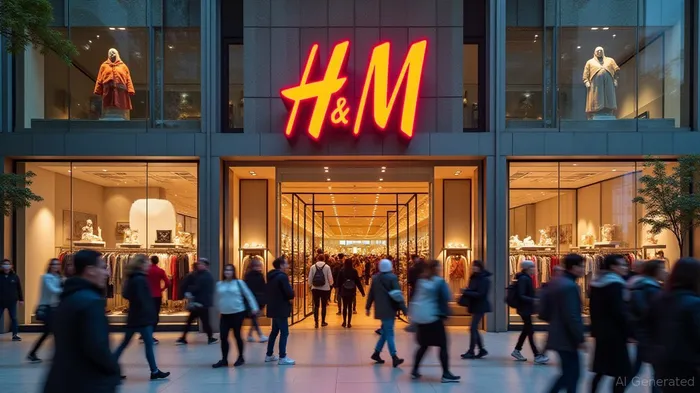
The CEO, Daniel Ervér, cited optimism that these FX pressures would ease in the second half of 2025. Yet, the SEK's 5% year-to-date appreciation against the USD as of June 2025 suggests this relief may be delayed. Meanwhile, the company's inventory value rose 1% to SEK 38.8 billion, driven by higher purchasing costs rather than excess stock—a reminder that cost inflation is outpacing demand recovery.
Tariffs and Trade Barriers: A New Cost Frontier
H&M's margin struggles are compounded by escalating trade tensions. U.S. tariffs on apparel imports, which account for ~20% of its sales, are set to tighten in Q3, potentially adding 10-15% to import costs. The company has hinted at passing some of these costs to consumers, but price hikes risk alienating budget-conscious shoppers. This precarious balancing act is critical: H&M's same-store sales in the U.S. declined 2% in Q2, underscoring the sensitivity of its customer base to pricing.
Competitors like Shein and Temu, which rely on faster supply chains and lower-cost production, are widening the gap. H&M's Q2 operating margin fell to 10.4%, nearly a full percentage point below Zara's 11.9% in the same period—a gap that could grow as rivals capitalize on H&M's operational struggles.
Turnaround Plan: Overpromising or Underdelivering?
H&M's strategy hinges on three pillars: store portfolio optimization, digital innovation, and sustainable product upgrades. It plans to close 190 stores and open 80 new ones in 2025, focusing on key markets like China and the U.S. While this may reduce overhead, the 4% year-on-year store count decline risks limiting top-line growth in a sector where physical stores remain vital for brand engagement.
Digital initiatives, such as its marketplace platform, are nascent and unproven at scale. Meanwhile, investments in sustainable fabrics and updated collections—such as its “Sustainable Collection” line—are eating into margins without yet delivering a meaningful sales lift.
Valuation: Overpriced for an Uncertain Future
Analysts at Inderes.dkDK-- have already downgraded H&M to “Reduce,” citing a P/E ratio of 20x and an EV/EBIT multiple of 17x for 2025—levels that assume a swift recovery in margins and sales. However, H&M's historical performance suggests these metrics are overly optimistic. Even in 2019, before the pandemic, its P/E rarely breached 15x, and its operating margins have trended downward for five consecutive years.
The risks are clear:
1. Margin Volatility: External costs could remain elevated if USD/SEK stays elevated or tariffs worsen.
2. Demand Sensitivity: Price hikes risk further alienating customers in a slowing global economy.
3. Competitive Erosion: Fast-fashion rivals are outmaneuvering H&M in speed, cost, and digital engagement.
Investment Conclusion: Proceed with Caution
While H&M's near-term cost-cutting efforts—such as store closures and supplier renegotiations—may stabilize cash flows, its valuation and execution risks warrant a “Reduce” recommendation. Investors should wait for concrete evidence of margin stabilization, ideally a sustained gross margin above 56%, before reconsidering exposure. Until then, H&M's stock remains a bet on external factors improving—a gamble better left to speculators.
In the fast-fashion race, H&M is no longer leading. Its Q2 results highlight a company straining under the weight of its own history, with solutions that feel more reactive than visionary. For now, the path to profitability remains littered with currency, competition, and consumer headwinds—and investors would be wise to tread carefully.







Comentarios
Aún no hay comentarios