
PXP Energy Corp's Strategic Expansion in Oil & Gas Exploration: Assessing Long-Term Value Creation in a Post-Oil Transition Era
PXP Energy Corp's Strategic Expansion in Oil & Gas Exploration: Assessing Long-Term Value Creation in a Post-Oil Transition Era
In the evolving landscape of global energy markets, PXP Energy Corp. stands at a crossroads, balancing its traditional upstream oil and gas operations with the imperative to adapt to a post-oil transition era. The company's recent strategic moves-ranging from geographic expansion to financial restructuring-highlight its efforts to secure long-term value creation while navigating operational and geopolitical challenges.
Operational Scalability: Diversification and Strategic Acquisitions
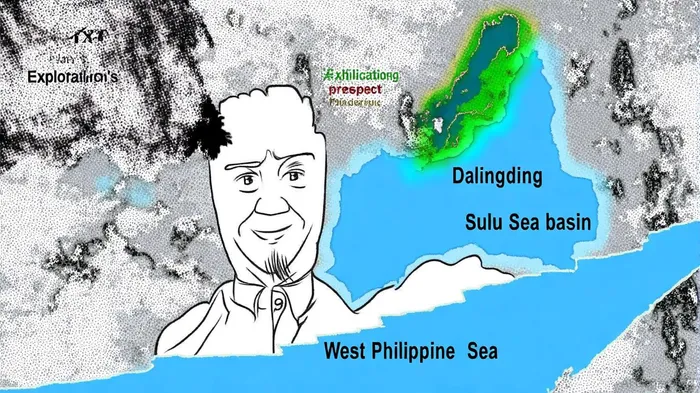
PXP Energy Corp. has prioritized geographic and asset diversification to enhance operational scalability. The company is actively evaluating the Dalingding prospect under Service Contract (SC) 40 in northern Cebu, a project that could bolster its onshore hydrocarbon reserves (Dalingding prospect). Simultaneously, it anticipates the awarding of PDA-BP-2 and PDA-BP-3 in the Sulu Sea basin, offshore blocks that represent untapped potential in a region with growing exploration interest. These initiatives underscore PXP's strategy to spread risk across multiple basins while leveraging its existing expertise in Philippine geology.
A pivotal move in this expansion has been PXP's acquisition of a 97.88% stake in Forum Energy Limited (FEL) through a PHP 1.56-billion share swap with Tidemark Holdings Ltd. This transaction not only solidified PXP's control over key assets like SC 72 in the West Philippine Sea but also enhanced its ability to manage operational costs and optimize production, as reported by Power Philippines. By consolidating ownership, PXP reduces dependency on joint venture partners, streamlining decision-making in a sector where agility is critical.
However, scalability remains constrained by force majeure conditions affecting SCs 72 and 75 due to geopolitical tensions in the West Philippine Sea, according to DitchCarbon. While PXP remains committed to resuming exploration in these areas, the prolonged uncertainty highlights the vulnerability of its offshore operations to external shocks.
Energy Transition Alignment: A Work in Progress
The energy transition presents both a challenge and an opportunity for PXP. As of 2025, the company has not disclosed carbon emissions data, reduction targets, or formal climate pledges, according to KPMG's energy-transition outlook, a notable gap in an industry increasingly scrutinized for its environmental impact. This absence of transparency contrasts with broader market trends: 74% of investors are allocating over US$100 million to energy transition assets, with renewable energy and efficiency technologies dominating the agenda, according to S&P Global.
PXP's current focus remains firmly on hydrocarbon exploration, with no publicly announced renewable energy initiatives or partnerships on PXP Energy Corporation's website. While the company's subsidiary, PXP Sustainability, offers services in ESG reporting and life-cycle assessments, there is no evidence of internal adoption of these frameworks to date. This disconnect raises questions about PXP's preparedness for a post-oil era, where regulatory pressures and investor expectations will demand more robust sustainability strategies.
That said, PXP's financial resilience-evidenced by a narrowed core net loss in 2024 and cost-cutting measures-provides a buffer for future transitions, per the company's audited financial statements. The company's emphasis on increasing production from the SC 14C-1 Galoc field and improving operational efficiency (as reported in local coverage of Q1 results) suggests a pragmatic approach to maximizing value from existing assets, which could fund future diversification into cleaner energy technologies (SC 14C-1 Galoc field).
Financial Resilience and Market Positioning
Despite wider losses in Q1 2025, driven by lower crude oil sales and rising overhead costs, PXP has demonstrated adaptability. Its audited financial statements reveal a strategic focus on deferred exploration costs and goodwill, with management's impairment assessments tied to oil price forecasts and capital expenditure plans. This forward-looking approach allows PXP to navigate volatile commodity markets while maintaining a disciplined capital structure.
The company's ability to secure additional loans from entities like Philex Mining Corporation and Kirtman Limited further underscores its financial flexibility. These resources could prove critical in funding high-impact projects such as Dalingding or advancing SC 72 once geopolitical conditions stabilize.
Long-Term Outlook: Balancing Tradition and Transition
PXP Energy Corp's strategic expansion reflects a dual imperative: to scale its oil and gas operations in the short term while positioning itself for an energy transition in the long term. Its geographic diversification and asset consolidation are strong foundations for operational scalability, but the lack of clear sustainability targets remains a risk.
For investors, the key question is whether PXP can bridge this gap. The energy transition market, projected to grow from USD 2.60 trillion in 2024 to USD 5.91 trillion by 2033, offers opportunities for companies willing to pivot (energy transition market). PXP's recent financial discipline and exploration focus provide a platform for such a pivot, but success will depend on leadership's willingness to embrace renewable energy ventures and formal ESG commitments.







Comentarios
Aún no hay comentarios