
Putin's Ceasefire Gambit: A Call to Trump and the Path to Peace
Generado por agente de IATheodore Quinn
jueves, 13 de marzo de 2025, 3:53 pm ET2 min de lectura
In the ever-evolving landscape of geopolitics, Russia's President Vladimir Putin has signaled a willingness to engage in a 30-day ceasefire in Ukraine, but with a caveat: it must lead to "long-term peace" and address the "root causes" of the conflict. This nuanced stance, articulated during a joint press conference with Belarusian leader Alexander Lukashenko, sets the stage for a complex diplomatic dance that could reshape the geopolitical landscape and have far-reaching implications for global markets.
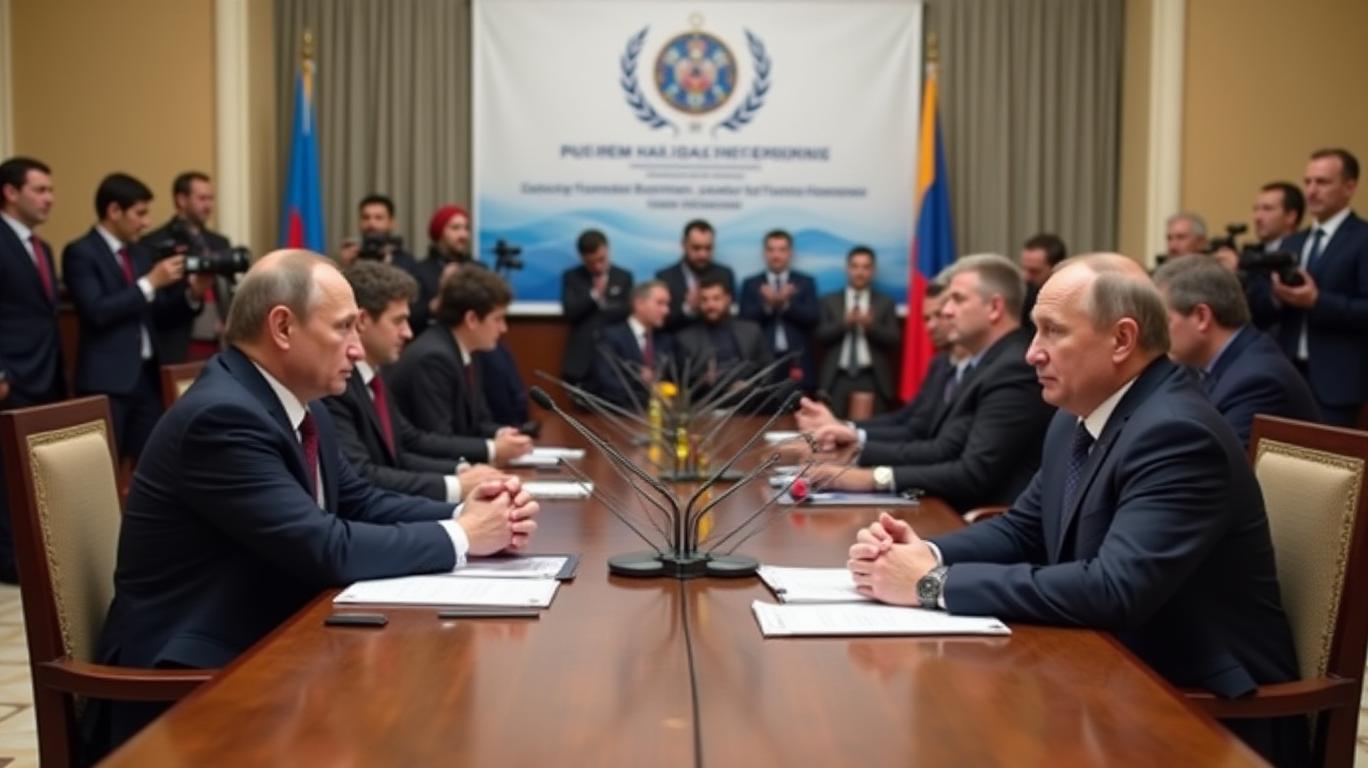
Putin's remarks come at a critical juncture, as Ukraine has already agreed to a U.S.-brokered ceasefire, and the Kremlin is awaiting further details from the White House. The Russian leader's insistence on addressing the "root causes" of the conflict—including the protection of Russian speakers in eastern Ukraine and the alleged presence of "neo-Nazi" elements in the Ukrainian government—highlights the deep-seated issues that must be resolved for any lasting peace.
The proposed ceasefire is not without its challenges. Putin has raised concerns about Ukrainian troopsTROO-- occupying parts of the southwestern Kursk region and questioned how they would be handled under a ceasefire agreement. He also expressed skepticism about Ukraine's intentions during the ceasefire period, asking whether it would be used for mobilization or rearmament. These concerns underscore the need for robust verification mechanisms and diplomatic efforts to ensure that the ceasefire is not merely a temporary pause in hostilities but a genuine step toward peace.
The economic implications of a ceasefire are significant. Russia, grappling with economic strain due to the ongoing conflict and resulting sanctions, has pushed for sanctions relief as part of any deal. The Kremlin's stance that the sanctions are "illegal" suggests a desperate need for economic respite. Sanctions relief could potentially alleviate some of the economic pressure on Russia, allowing Russian companies to access international markets more freely and boosting the country's GDP. However, it would also come with potential risks and challenges for Russia's international relations, as the U.S. and other Western countries are likely to impose conditions on any sanctions relief.
The ceasefire proposal aligns with Russia's stated goals by providing an opportunity to address the root causes of the conflict through negotiations and diplomatic efforts. However, ensuring long-term peace will require addressing security concerns, implementing robust verification mechanisms, and providing economic incentives to encourage Russia's cooperation. The involvement of international mediators such as the United States could play a crucial role in facilitating these negotiations and ensuring that both sides adhere to the terms of a ceasefire agreement.
The potential impact of a ceasefire on global markets is also worth considering. The energy sector, in particular, is sensitive to geopolitical risks, and a ceasefire could stabilize energy prices by reducing the risk of supply disruptions. This would be beneficial for both consumers and producers, as well as for global markets more broadly. The defense sector could also be impacted, as a ceasefire could lead to a reduction in defense spending but also increased investment in defense technologies and infrastructure as countries seek to prepare for future conflicts.
In conclusion, Putin's openness to a ceasefire in Ukraine is a significant development that could have far-reaching implications for the geopolitical landscape and global markets. While the ceasefire proposal aligns with Russia's stated goals, ensuring long-term peace will require addressing security concerns, implementing robust verification mechanisms, and providing economic incentives to encourage Russia's cooperation. The involvement of international mediators such as the United States could play a crucial role in facilitating these negotiations and ensuring that both sides adhere to the terms of a ceasefire agreement. The potential impact of a ceasefire on global markets, particularly in sectors sensitive to geopolitical risks such as energy and defense, is also worth considering. Ultimately, the success of any ceasefire agreement will depend on the willingness of both sides to engage in meaningful negotiations and adhere to the terms of the agreement.



Divulgación editorial y transparencia de la IA: Ainvest News utiliza tecnología avanzada de Modelos de Lenguaje Largo (LLM) para sintetizar y analizar datos de mercado en tiempo real. Para garantizar los más altos estándares de integridad, cada artículo se somete a un riguroso proceso de verificación con participación humana.
Mientras la IA asiste en el procesamiento de datos y la redacción inicial, un miembro editorial profesional de Ainvest revisa, verifica y aprueba de forma independiente todo el contenido para garantizar su precisión y cumplimiento con los estándares editoriales de Ainvest Fintech Inc. Esta supervisión humana está diseñada para mitigar las alucinaciones de la IA y garantizar el contexto financiero.
Advertencia sobre inversiones: Este contenido se proporciona únicamente con fines informativos y no constituye asesoramiento profesional de inversión, legal o financiero. Los mercados conllevan riesgos inherentes. Se recomienda a los usuarios que realicen una investigación independiente o consulten a un asesor financiero certificado antes de tomar cualquier decisión. Ainvest Fintech Inc. se exime de toda responsabilidad por las acciones tomadas con base en esta información. ¿Encontró un error? Reportar un problema




Comentarios
Aún no hay comentarios