
Putin's Actions: A Boon for NATO Unity and Defense Spending
Generado por agente de IATheodore Quinn
sábado, 15 de febrero de 2025, 9:36 am ET2 min de lectura
MET--
Russia's President Vladimir Putin has been a divisive figure on the global stage, but one thing is undeniable: his actions have significantly strengthened NATO's unity and resolve. In recent years, Putin's aggressive moves, such as the annexation of Crimea in 2014 and the full-scale invasion of Ukraine in 2022, have led to a surge in defense spending and military capabilities within the NATO alliance. This article explores how Putin's actions have contributed to NATO's unity and defense spending, and the geopolitical dynamics of its eastern flank.
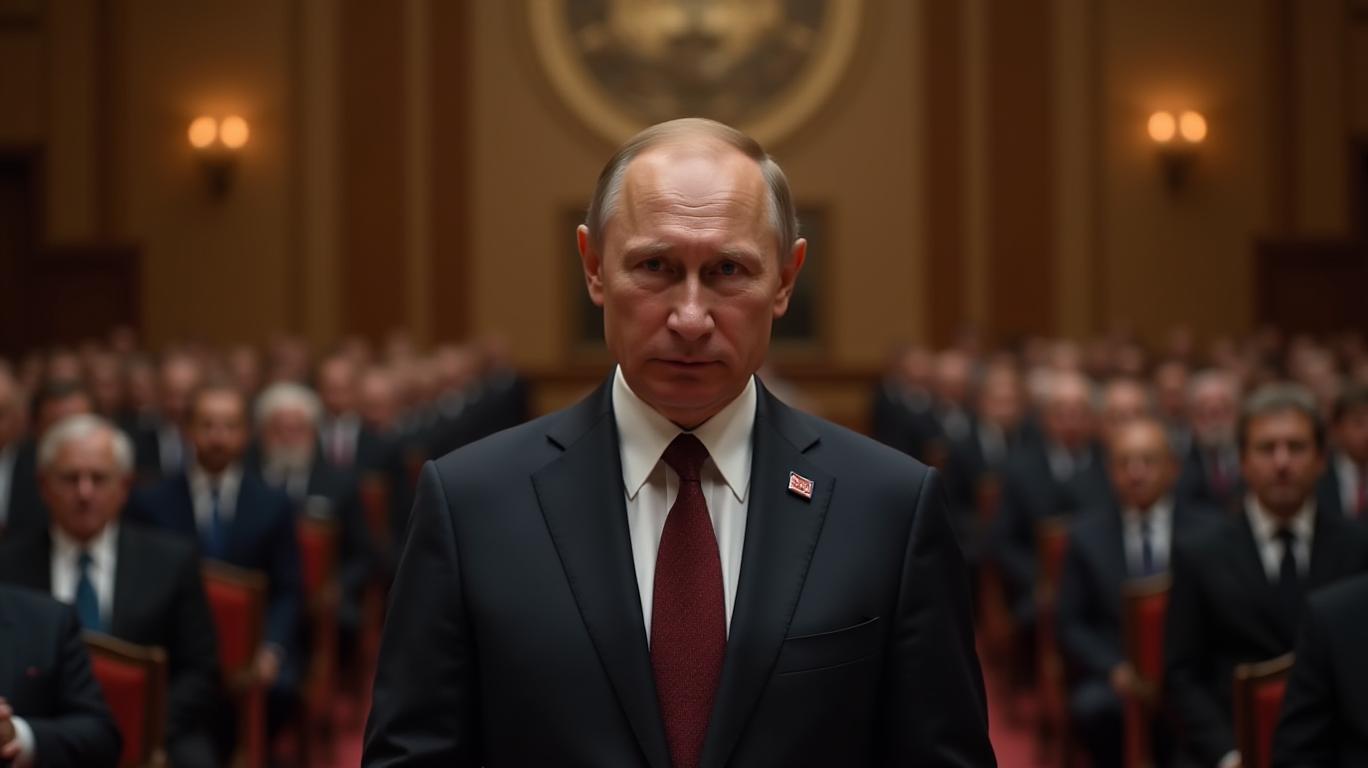
Putin's actions have had a profound impact on NATO's unity and resolve. The 2014 annexation of Crimea led NATO to revise its Strategic Concept, placing a clear emphasis on defense and deterrence. This was further reinforced by the 2022 invasion of Ukraine, which prompted NATO to increase its support for Ukraine and strengthen its collective defense (Tomas VALASEK, Slovakia, 15 December 2022). In response to Russia's actions, NATO has enhanced its presence in Central and Eastern Europe, including the deployment of multinational battalions in the Baltic states and Poland, as well as increased air and naval activity in the region. The US presence on the ground is crucial, but all European Allies are expected to step up and ensure adequate resource allocation for these efforts (Tomas VALASEK, Slovakia, 15 December 2022).
Putin's actions have also led to a significant increase in NATO's defense spending. In 2014, NATO set a target for its members to spend at least 2% of their GDP on defense by 2024. As of 2023, 23 out of 32 NATO member countries are forecast to have met this target (NATO, 2023). This increased spending has allowed NATO to enhance its military capabilities and readiness, including the deployment of additional forces to the eastern flank, strengthened air and missile defense capabilities, and enhanced cyber defense capabilities.
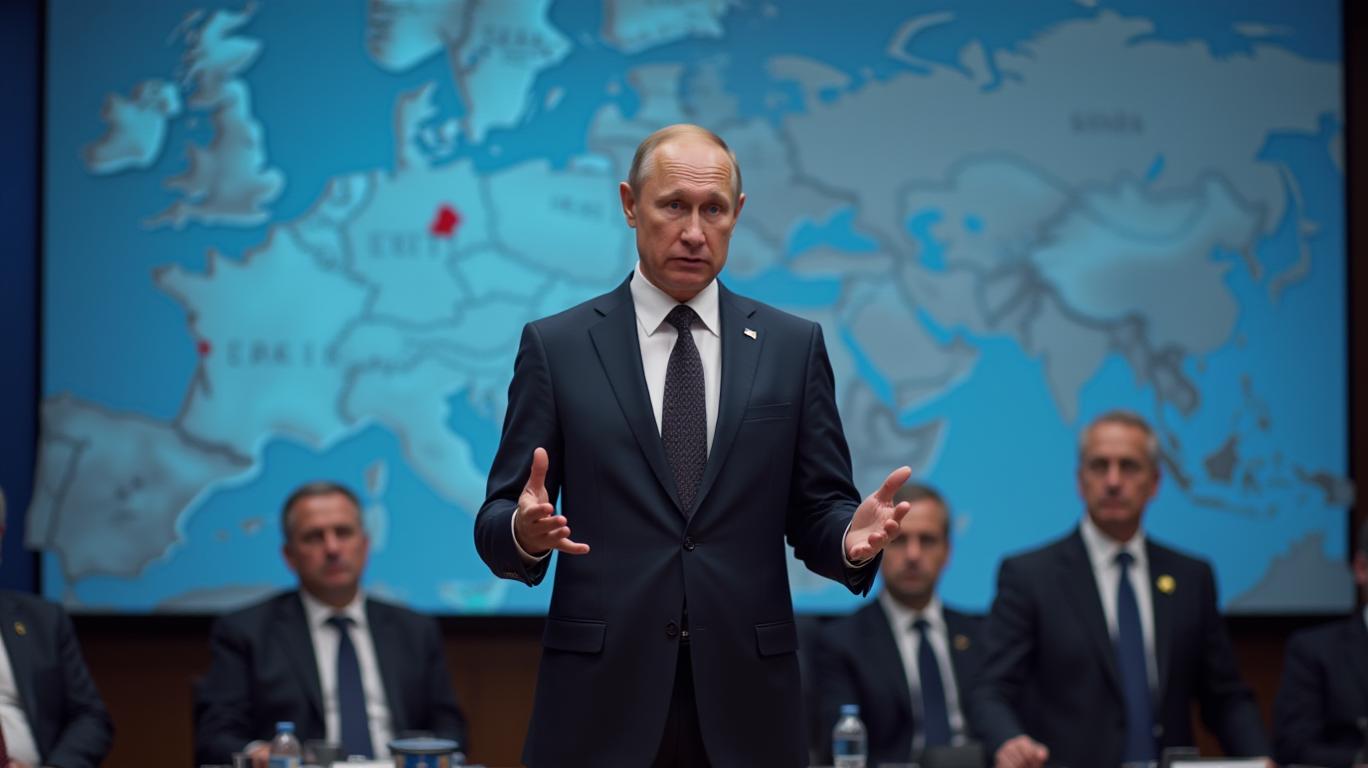
Putin's actions have also impacted the geopolitical dynamics of NATO's eastern flank, particularly in relation to the Baltic states and Poland. The threat posed by Russia has led to a significant increase in defense spending by NATO member states in the region. For instance, Poland's defense spending has increased from around 1.9% of GDP in 2013 to 2.3% in 2021 (Source: NATO's Defense Expenditure of NATO Countries). The Baltic states have also significantly increased their defense spending, with Estonia, Latvia, and Lithuania all meeting or exceeding NATO's target of 2% of GDP (Source: NATO's Defense Expenditure of NATO Countries).
The threat from Russia has also led to closer cooperation and integration among the Baltic states and Poland. This includes joint military exercises, defense industry cooperation, and enhanced intelligence sharing (Source: NATO's Enhanced Forward Presence). The Baltic states and Poland have also worked together to improve their interoperability with NATO forces, including through the establishment of a joint military training center in Poland (Source: NATO's Enhanced Forward Presence).
In conclusion, Putin's actions have significantly contributed to NATO's unity and resolve, as well as its defense spending and military capabilities. The geopolitical dynamics of NATO's eastern flank have also been impacted by Russia's aggressive moves, leading to stronger deterrence and defense in the region. As the situation in Ukraine continues to evolve, NATO will likely remain focused on strengthening its collective defense and supporting its member states in the face of potential threats.
U--
Russia's President Vladimir Putin has been a divisive figure on the global stage, but one thing is undeniable: his actions have significantly strengthened NATO's unity and resolve. In recent years, Putin's aggressive moves, such as the annexation of Crimea in 2014 and the full-scale invasion of Ukraine in 2022, have led to a surge in defense spending and military capabilities within the NATO alliance. This article explores how Putin's actions have contributed to NATO's unity and defense spending, and the geopolitical dynamics of its eastern flank.
Putin's actions have had a profound impact on NATO's unity and resolve. The 2014 annexation of Crimea led NATO to revise its Strategic Concept, placing a clear emphasis on defense and deterrence. This was further reinforced by the 2022 invasion of Ukraine, which prompted NATO to increase its support for Ukraine and strengthen its collective defense (Tomas VALASEK, Slovakia, 15 December 2022). In response to Russia's actions, NATO has enhanced its presence in Central and Eastern Europe, including the deployment of multinational battalions in the Baltic states and Poland, as well as increased air and naval activity in the region. The US presence on the ground is crucial, but all European Allies are expected to step up and ensure adequate resource allocation for these efforts (Tomas VALASEK, Slovakia, 15 December 2022).
Putin's actions have also led to a significant increase in NATO's defense spending. In 2014, NATO set a target for its members to spend at least 2% of their GDP on defense by 2024. As of 2023, 23 out of 32 NATO member countries are forecast to have met this target (NATO, 2023). This increased spending has allowed NATO to enhance its military capabilities and readiness, including the deployment of additional forces to the eastern flank, strengthened air and missile defense capabilities, and enhanced cyber defense capabilities.
Putin's actions have also impacted the geopolitical dynamics of NATO's eastern flank, particularly in relation to the Baltic states and Poland. The threat posed by Russia has led to a significant increase in defense spending by NATO member states in the region. For instance, Poland's defense spending has increased from around 1.9% of GDP in 2013 to 2.3% in 2021 (Source: NATO's Defense Expenditure of NATO Countries). The Baltic states have also significantly increased their defense spending, with Estonia, Latvia, and Lithuania all meeting or exceeding NATO's target of 2% of GDP (Source: NATO's Defense Expenditure of NATO Countries).
The threat from Russia has also led to closer cooperation and integration among the Baltic states and Poland. This includes joint military exercises, defense industry cooperation, and enhanced intelligence sharing (Source: NATO's Enhanced Forward Presence). The Baltic states and Poland have also worked together to improve their interoperability with NATO forces, including through the establishment of a joint military training center in Poland (Source: NATO's Enhanced Forward Presence).
In conclusion, Putin's actions have significantly contributed to NATO's unity and resolve, as well as its defense spending and military capabilities. The geopolitical dynamics of NATO's eastern flank have also been impacted by Russia's aggressive moves, leading to stronger deterrence and defense in the region. As the situation in Ukraine continues to evolve, NATO will likely remain focused on strengthening its collective defense and supporting its member states in the face of potential threats.

Divulgación editorial y transparencia de la IA: Ainvest News utiliza tecnología avanzada de Modelos de Lenguaje Largo (LLM) para sintetizar y analizar datos de mercado en tiempo real. Para garantizar los más altos estándares de integridad, cada artículo se somete a un riguroso proceso de verificación con participación humana.
Mientras la IA asiste en el procesamiento de datos y la redacción inicial, un miembro editorial profesional de Ainvest revisa, verifica y aprueba de forma independiente todo el contenido para garantizar su precisión y cumplimiento con los estándares editoriales de Ainvest Fintech Inc. Esta supervisión humana está diseñada para mitigar las alucinaciones de la IA y garantizar el contexto financiero.
Advertencia sobre inversiones: Este contenido se proporciona únicamente con fines informativos y no constituye asesoramiento profesional de inversión, legal o financiero. Los mercados conllevan riesgos inherentes. Se recomienda a los usuarios que realicen una investigación independiente o consulten a un asesor financiero certificado antes de tomar cualquier decisión. Ainvest Fintech Inc. se exime de toda responsabilidad por las acciones tomadas con base en esta información. ¿Encontró un error? Reportar un problema




Comentarios
Aún no hay comentarios