
Pulsar Helium's Successful Passive Seismic Survey: Unlocking Greenland's Helium Potential
Generado por agente de IACyrus Cole
jueves, 30 de enero de 2025, 2:08 am ET1 min de lectura
PSF--
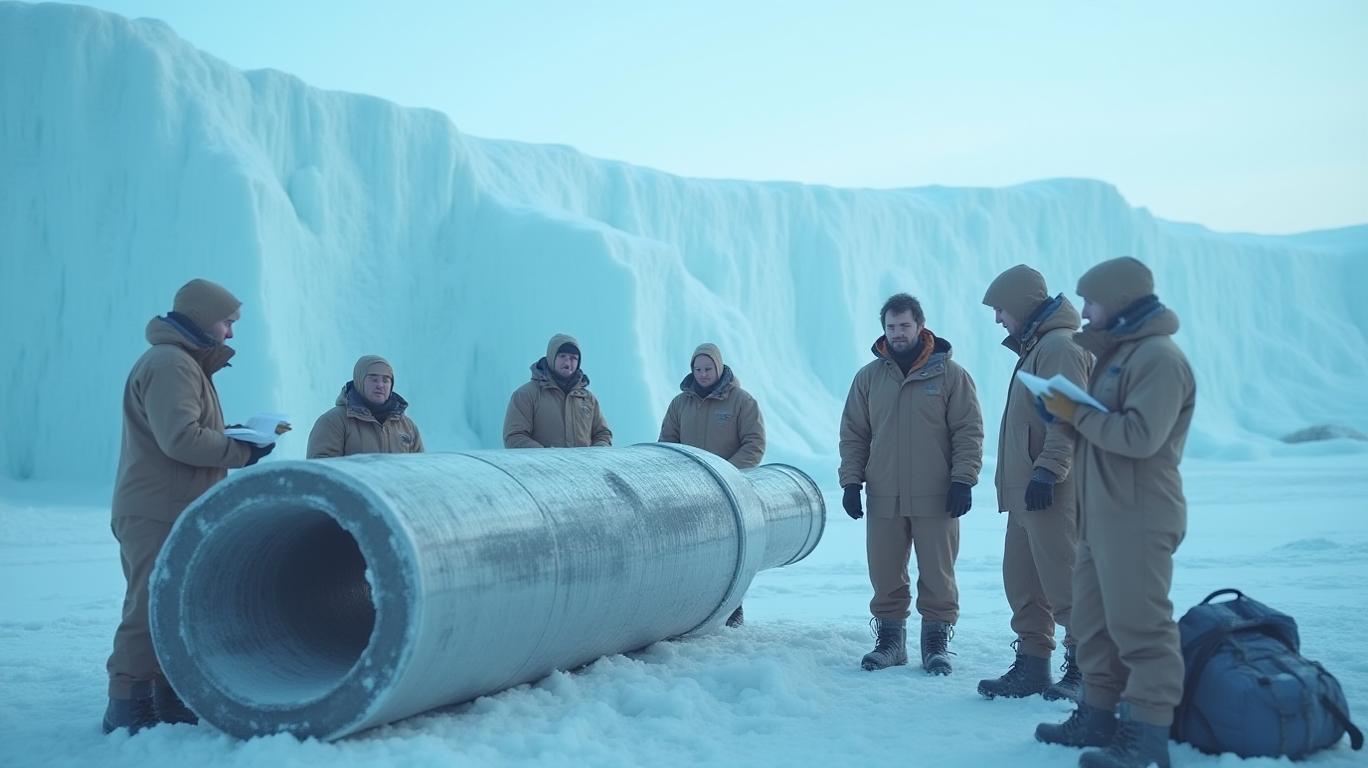
Pulsar Helium Inc. (AIM: PLSR, TSXV: PLSR, OTCQB: PSRHF), a leading helium project development company, has announced the successful completion of a passive seismic survey at its Tunu Project in Greenland. The survey, conducted during the summer of 2024, has revealed promising results that could significantly enhance the project's helium exploration potential.
The passive seismic survey, which involved deploying 150 sensors at an average interstation distance of 100 meters, has provided high-quality data between 50-200 meters vertical depth. The interpretation of this data has revealed two main low-velocity anomaly zones that align with surface observations of a hydrothermal zone and a fault linked to gas emissions containing up to 0.8% helium. These findings suggest a more fractured reservoir than anticipated, which could provide spaces for helium to accumulate and become trapped underground.
The identification of these low-velocity anomaly zones offers clear targets for drilling exploratory wells, not only for helium but also for potential associated geothermal energy production. This discovery reinforces Pulsar's confidence in the Tunu Project's potential for helium production and geothermal energy generation. The company is now assessing potential strategic partners to advance the project while focusing on realizing the helium production potential at its Topaz Project in Minnesota.
The Tunu Project's strategic location on the east coast of Greenland, facing the main European continent, allows for easier and more cost-effective transportation of helium to the European Union (EU), which is a significant consumer of the gas. The project's potential for combined helium and geothermal energy production aligns with the EU's critical raw materials initiative, further strengthening the strategic partnership between Greenland and the EU.
In conclusion, Pulsar Helium's successful passive seismic survey at the Tunu Project in Greenland has unlocked new exploration targets and validated the project's helium potential. The survey results have provided valuable insights into the subsurface structure, guiding future exploration and development strategies for both helium and geothermal energy production. As Pulsar continues to advance its helium projects, the Tunu Project's promising findings could pave the way for a new era of helium exploration and production in Greenland.
SLSR--
TSVT--
Pulsar Helium Inc. (AIM: PLSR, TSXV: PLSR, OTCQB: PSRHF), a leading helium project development company, has announced the successful completion of a passive seismic survey at its Tunu Project in Greenland. The survey, conducted during the summer of 2024, has revealed promising results that could significantly enhance the project's helium exploration potential.
The passive seismic survey, which involved deploying 150 sensors at an average interstation distance of 100 meters, has provided high-quality data between 50-200 meters vertical depth. The interpretation of this data has revealed two main low-velocity anomaly zones that align with surface observations of a hydrothermal zone and a fault linked to gas emissions containing up to 0.8% helium. These findings suggest a more fractured reservoir than anticipated, which could provide spaces for helium to accumulate and become trapped underground.
The identification of these low-velocity anomaly zones offers clear targets for drilling exploratory wells, not only for helium but also for potential associated geothermal energy production. This discovery reinforces Pulsar's confidence in the Tunu Project's potential for helium production and geothermal energy generation. The company is now assessing potential strategic partners to advance the project while focusing on realizing the helium production potential at its Topaz Project in Minnesota.
The Tunu Project's strategic location on the east coast of Greenland, facing the main European continent, allows for easier and more cost-effective transportation of helium to the European Union (EU), which is a significant consumer of the gas. The project's potential for combined helium and geothermal energy production aligns with the EU's critical raw materials initiative, further strengthening the strategic partnership between Greenland and the EU.
In conclusion, Pulsar Helium's successful passive seismic survey at the Tunu Project in Greenland has unlocked new exploration targets and validated the project's helium potential. The survey results have provided valuable insights into the subsurface structure, guiding future exploration and development strategies for both helium and geothermal energy production. As Pulsar continues to advance its helium projects, the Tunu Project's promising findings could pave the way for a new era of helium exploration and production in Greenland.

Divulgación editorial y transparencia de la IA: Ainvest News utiliza tecnología avanzada de Modelos de Lenguaje Largo (LLM) para sintetizar y analizar datos de mercado en tiempo real. Para garantizar los más altos estándares de integridad, cada artículo se somete a un riguroso proceso de verificación con participación humana.
Mientras la IA asiste en el procesamiento de datos y la redacción inicial, un miembro editorial profesional de Ainvest revisa, verifica y aprueba de forma independiente todo el contenido para garantizar su precisión y cumplimiento con los estándares editoriales de Ainvest Fintech Inc. Esta supervisión humana está diseñada para mitigar las alucinaciones de la IA y garantizar el contexto financiero.
Advertencia sobre inversiones: Este contenido se proporciona únicamente con fines informativos y no constituye asesoramiento profesional de inversión, legal o financiero. Los mercados conllevan riesgos inherentes. Se recomienda a los usuarios que realicen una investigación independiente o consulten a un asesor financiero certificado antes de tomar cualquier decisión. Ainvest Fintech Inc. se exime de toda responsabilidad por las acciones tomadas con base en esta información. ¿Encontró un error? Reportar un problema


SOBRE NOSOTROS
Nuestra historiaAutores de noticiasBase de conocimientosPolítica de privacidadTérmino de usoDescargo de responsabilidad de corretaje de tercerosTérminos de uso de AIMEDivulgaciones de riesgos de AInvest AICarrerasCONTÁCTENOS
Email: support@ainvest.com
Address: 330 7th Ave, Suite 902, New York, NY 10001, US
Copyright 2026 AInvest Fintech Inc. All rights reserved.


Comentarios
Aún no hay comentarios