
PTT's Equity Buyback and Its Implications for Value Creation
PTT Public Company Limited's recent THB 16 billion equity buyback program has sparked significant interest among investors and analysts. Aiming to repurchase up to 470 million shares—1.65% of its total issued shares—over six months, the initiative is framed as a strategic move to optimize capital efficiency and enhance shareholder value [1]. This analysis evaluates the program's alignment with these goals, drawing on PTT's financial metrics, expert commentary, and industry benchmarks.
Capital Efficiency: A Strategic Reallocation of Resources
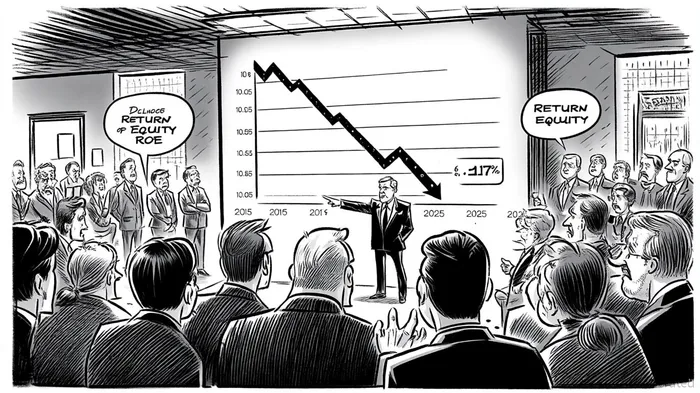
The buyback is designed to address PTT's excess liquidity, a common challenge for capital-intensive energy firms. By repurchasing shares, PTT reduces its equity base, which should elevate return on equity (ROE) and earnings per share (EPS) [2]. As of September 2025, PTT's ROE stood at 6.17%, a notable decline from its historical average of 10.05% over the past decade [3]. Analysts at Kiatnakin Phatra Securities (KKPS) argue that the buyback will reverse this trend by shrinking the equity denominator in the ROE calculation, assuming earnings remain stable or grow [4].
The EPS impact is equally compelling. With net income projected at THB 112.30 billion in 2025, reducing the share count by 1.65% could boost EPS by approximately 1.7% in the short term, assuming no material changes in earnings [5]. This aligns with global capital management practices, where buybacks are often used to signal confidence in a company's financial health [6].
Shareholder Value: Dividends and Market Confidence
PTT's buyback complements its recent THB 1.30 per share dividend announcement, creating a dual strategy for returning capital to shareholders [1]. This approach resonates with KKPS's assessment that PTT's “capital allocation discipline” is strengthening, particularly in a volatile global energy market [4]. By combining dividends with buybacks, PTT aims to balance immediate cash returns with long-term value creation, a tactic that has historically bolstered investor confidence.
Fitch Ratings' affirmation of PTT's stable credit profile further underscores the program's prudence. The agency noted that the buyback's THB 16 billion cost is manageable within PTT's liquidity reserves, with no material risk to its debt-to-equity ratio of 0.64—a conservative level compared to the oil and gas industry's average of 0.61 [7]. This suggests PTT is leveraging its strong balance sheet to reward shareholders without compromising operational flexibility.
Risk Considerations and Industry Context
While the buyback is a positive signal, risks remain. PTT's ROE of 6.17% in 2025 lags behind PTT Synergy Group Berhad's 9.5%, albeit at the cost of a higher debt-to-equity ratio (1.73) [8]. This highlights the trade-off between leveraging debt to boost returns and maintaining financial stability. For PTT, the current debt-to-equity ratio of 0.64 indicates a cautious approach, but sustained low-interest rates will be critical to maintaining this balance.
Additionally, the buyback's success hinges on market conditions. If PTT's shares are undervalued during the repurchase period, the program could unlock significant value. Conversely, buying back overvalued shares would dilute returns. Given the six-month window (March 24–September 23, 2025), PTT must navigate potential volatility in energy prices and global trade dynamics [1].
Conclusion: A Prudent Step in a Competitive Landscape
PTT's equity buyback represents a calculated effort to enhance capital efficiency and shareholder value. By reducing excess liquidity, boosting ROE and EPS, and reinforcing its dividend strategy, the company is positioning itself to weather macroeconomic uncertainties while rewarding investors. While risks such as market volatility and debt management persist, Fitch's stable outlook and KKPS's “Buy” rating suggest the program is well-aligned with PTT's long-term objectives.
For investors, the buyback underscores PTT's commitment to disciplined capital allocation—a critical differentiator in the energy sector. As the program unfolds, monitoring PTT's ROE trajectory and EPS performance will provide further insights into its effectiveness.







Comentarios
Aún no hay comentarios