
Protectionism Threatens Global Economic Growth
Generado por agente de IAEli Grant
miércoles, 4 de diciembre de 2024, 4:09 am ET1 min de lectura
WTO--
The Organisation for Economic Co-operation and Development (OECD) has warned of the growing risk of protectionism derailing global economic growth. As trade tensions escalate and countries impose tariffs and other barriers, supply chain disruptions and higher consumer prices loom large. In its latest Economic Outlook, the OECD cautioned that further moves towards protectionism could reverse the recovery in global trade, which is expected to reach 3.6% in 2025.
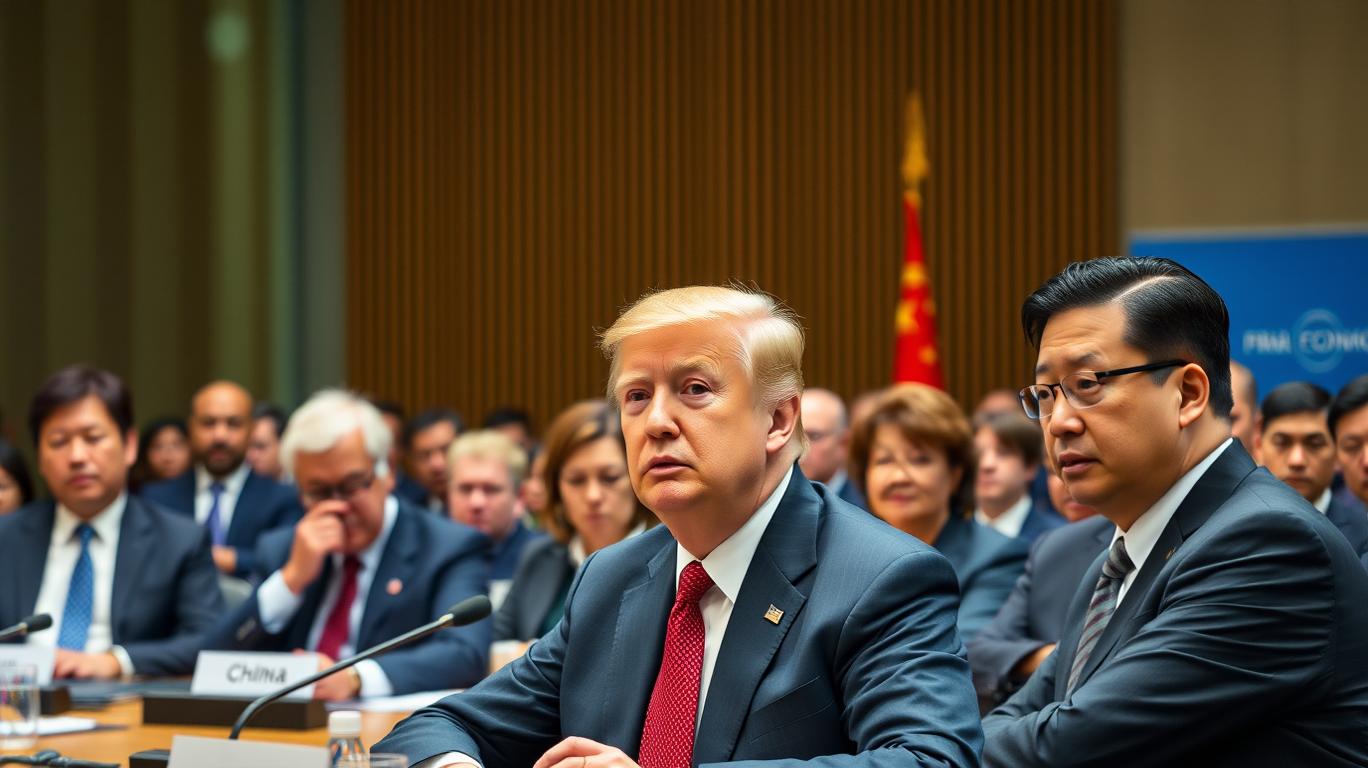
The OECD's outlook for major economies underscores the potential impact of protectionism. In the United States, growth is expected to ease from 2.8% this year to 2.1% by 2026, as protectionist policies weigh on the economy. Similarly, in China, growth is set to slow from 4.9% to 4.4% by 2026, despite monetary and fiscal easing, due in part to sluggish consumer spending and trade tensions. Meanwhile, the euro zone, Japan, and the UK also face growth headwinds from protectionist measures.
To mitigate the risks posed by protectionism, international cooperation and trade agreements are crucial. Multilateral trade negotiations, such as those under the World Trade Organization (WTO), can help establish and strengthen rules-based trade agreements. These agreements can reduce tariffs, non-tariff barriers, and other trade-restrictive measures, fostering smoother cross-border trade and encouraging businesses to invest in international markets.
Industries most exposed to tariffs and trade restrictions, such as automobiles, electronics, and textiles, face significant challenges. These sectors have complex global supply chains, and disruptions can lead to higher costs and reduced sales for companies. To navigate these risks, investors should consider diversifying their portfolios across sectors and regions, while monitoring geopolitical developments and regulatory environments.

In conclusion, the OECD's warning about the risk of protectionism to global growth underscores the importance of international cooperation and open trade policies. As trade tensions escalate, countries must work together to maintain a stable and predictable global trading environment. By doing so, they can mitigate the risks posed by protectionism and foster sustainable economic growth.
The Organisation for Economic Co-operation and Development (OECD) has warned of the growing risk of protectionism derailing global economic growth. As trade tensions escalate and countries impose tariffs and other barriers, supply chain disruptions and higher consumer prices loom large. In its latest Economic Outlook, the OECD cautioned that further moves towards protectionism could reverse the recovery in global trade, which is expected to reach 3.6% in 2025.
The OECD's outlook for major economies underscores the potential impact of protectionism. In the United States, growth is expected to ease from 2.8% this year to 2.1% by 2026, as protectionist policies weigh on the economy. Similarly, in China, growth is set to slow from 4.9% to 4.4% by 2026, despite monetary and fiscal easing, due in part to sluggish consumer spending and trade tensions. Meanwhile, the euro zone, Japan, and the UK also face growth headwinds from protectionist measures.
To mitigate the risks posed by protectionism, international cooperation and trade agreements are crucial. Multilateral trade negotiations, such as those under the World Trade Organization (WTO), can help establish and strengthen rules-based trade agreements. These agreements can reduce tariffs, non-tariff barriers, and other trade-restrictive measures, fostering smoother cross-border trade and encouraging businesses to invest in international markets.
Industries most exposed to tariffs and trade restrictions, such as automobiles, electronics, and textiles, face significant challenges. These sectors have complex global supply chains, and disruptions can lead to higher costs and reduced sales for companies. To navigate these risks, investors should consider diversifying their portfolios across sectors and regions, while monitoring geopolitical developments and regulatory environments.
In conclusion, the OECD's warning about the risk of protectionism to global growth underscores the importance of international cooperation and open trade policies. As trade tensions escalate, countries must work together to maintain a stable and predictable global trading environment. By doing so, they can mitigate the risks posed by protectionism and foster sustainable economic growth.

Divulgación editorial y transparencia de la IA: Ainvest News utiliza tecnología avanzada de Modelos de Lenguaje Largo (LLM) para sintetizar y analizar datos de mercado en tiempo real. Para garantizar los más altos estándares de integridad, cada artículo se somete a un riguroso proceso de verificación con participación humana.
Mientras la IA asiste en el procesamiento de datos y la redacción inicial, un miembro editorial profesional de Ainvest revisa, verifica y aprueba de forma independiente todo el contenido para garantizar su precisión y cumplimiento con los estándares editoriales de Ainvest Fintech Inc. Esta supervisión humana está diseñada para mitigar las alucinaciones de la IA y garantizar el contexto financiero.
Advertencia sobre inversiones: Este contenido se proporciona únicamente con fines informativos y no constituye asesoramiento profesional de inversión, legal o financiero. Los mercados conllevan riesgos inherentes. Se recomienda a los usuarios que realicen una investigación independiente o consulten a un asesor financiero certificado antes de tomar cualquier decisión. Ainvest Fintech Inc. se exime de toda responsabilidad por las acciones tomadas con base en esta información. ¿Encontró un error? Reportar un problema


SOBRE NOSOTROS
Nuestra historiaAutores de noticiasBase de conocimientosPolítica de privacidadTérmino de usoDescargo de responsabilidad de corretaje de tercerosTérminos de uso de AIMEDivulgaciones de riesgos de AInvest AICarrerasCONTÁCTENOS
Email: support@ainvest.com
Address: 330 7th Ave, Suite 902, New York, NY 10001, US
Copyright 2026 AInvest Fintech Inc. All rights reserved.


Comentarios
Aún no hay comentarios