
PROREIT and Parkit: A Strategic Stake in Canada's Industrial Growth Spree
The $96.5 million transaction between Parkit Enterprises (PKT-X) and PROREIT (PRV-UN-T) isn't just a property deal—it's a blueprint for how strategic partnerships can unlock value in Canada's booming industrial real estate sector. By acquiring six Winnipeg warehouses and granting Parkit a near 10% equity stake, PROREIT has positioned itself to capitalize on secondary market growth while embedding a key industry player into its governance. For investors, this combination of immediate asset expansion, accretive financial metrics, and shared strategic vision creates a compelling thesis for exposure to the industrial boom.
The Deal's Architecture: Cash, Equity, and Influence
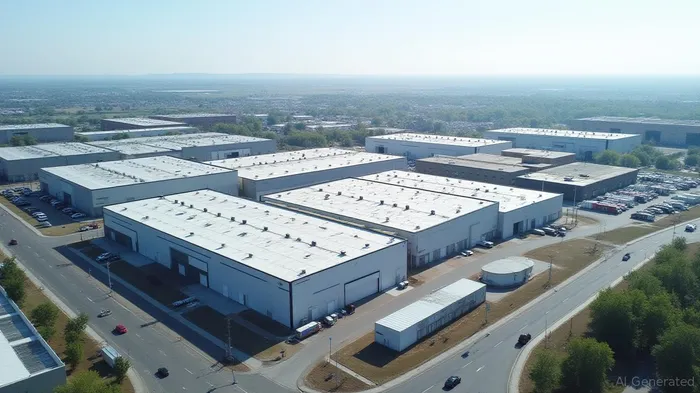
PROREIT's purchase of the Winnipeg portfolio—a 99.7% leased, 678,177-square-foot collection—marks a significant step in its industrial pivot. The $96.5 million price tag is split between $40 million in equity (via 6.45 million units issued at a 22% premium to the market) and $56.5 million in debt. The equity infusion not only funds the acquisition but also cements Parkit's role as a strategic partner. In return, Parkit gains a board seat (filled by its chairman Steven Scott), preemptive rights to future equity offerings, and registration rights for its stake.
This structure is masterful:
- For PROREIT: The equity issuance avoids diluting existing unitholders excessively while securing a long-term ally. The 4.4% fixed-rate debt facility locks in low borrowing costs, preserving financial flexibility.
- For Parkit: The 9.6% stake transforms it from a seller into a stakeholder, aligning its interests with PROREIT's success. The premium paid signals PROREIT's confidence in the portfolio's value, effectively validating Parkit's asset selection prowess.
Accretion and Growth: Why This Deal Matters
The transaction is projected to be accretive to 2025 AFFO per unit, a critical metric for REIT investors. Three factors underpin this:
1. High-Quality Leases: The properties are leased to 26 tenants with a 4.2-year weighted average lease term, minimizing near-term rollover risk.
2. Value Creation: The $142/sq ft purchase price and mid-6% cap rate suggest PROREIT is acquiring below market rents (current leases are 8% below current rates), leaving room for future upside.
3. Balance Sheet Strength: Post-transaction, PROREIT's debt-to-assets ratio remains at 49.3%, well within its 50% target. The Adjusted Debt to Gross Book Value metric of 49.5% reinforces financial resilience.
Synergies: A Partnership Beyond Numbers
The strategic value extends beyond the transaction's terms. By integrating Parkit's expertise—particularly in secondary markets—the partnership aims to:
- Accelerate Industrial Exposure: PROREIT's industrial GLA jumps to 88% of its portfolio, closer to its 90% target. This focus on high-growth submarkets (Winnipeg's industrial rents rose 7% YoY in 2024) positions it to capture rising demand from e-commerce and logistics firms.
- Governance Alignment: Parkit's board seat ensures its operational insights influence PROREIT's capital allocation. This could fast-track deals in underpenetrated markets like Calgary or Hamilton, where Parkit has existing relationships.
- Shared Growth Goals: PROREIT's $2 billion asset target and Parkit's secondary market focus create a feedback loop: Parkit can sell more assets to PROREIT as it grows, while PROREIT's scale attracts larger institutional investors.
The Investment Case: Why This Matters for Portfolios
For investors seeking exposure to Canada's industrial boom, this partnership offers a multi-faceted opportunity:
1. Equity Stake in a Growth Story: PROREIT's 83% industrial rent exposure and disciplined capital allocation make it a pure-play bet on the sector. The deal's accretion suggests it can grow AFFO without over-leveraging.
2. Parkit's Catalyst: PKT-X shareholders gain indirect exposure to PROREIT's growth through their 9.6% stake—a tailwind for Parkit's valuation as PROREIT's NAV rises.
3. Secondary Market Bet: Winnipeg's industrial market is a microcosm of Canada's broader trend: rising rents, limited supply, and corporate demand for regional hubs. PROREIT's focus here reduces reliance on overheated markets like Toronto or Vancouver.
Risks and Considerations
- Execution Risk: Closing the deal by Q2 2025 hinges on regulatory approvals and debt financing. Delays could disrupt PROREIT's AFFO timeline.
- Interest Rate Sensitivity: While the 4.4% fixed-rate debt shields against rate hikes, prolonged high rates could pressure broader REIT valuations.
- Lease Renewals: The 4.2-year WALT means significant rollovers by 2027–2030. Tenant demand must hold to sustain occupancy.
Final Take: A Strategic Win for Both Sides
PROREIT and Parkit have engineered a partnership that's rare in real estate: one where both parties gain immediate value while building a platform for long-term growth. For investors, this is a chance to own a piece of Canada's industrial future through a financially disciplined operator with a key ally in the trenches. With the transaction's accretive nature and PROREIT's balance sheet stability, this could be a foundational holding for those targeting the industrial sector.
Investment Advice: Consider a position in PRV-UN-T as a core holding for industrial exposure, particularly if the stock remains undervalued relative to its NAV. PKT-X shareholders should also monitor PROREIT's performance, as their indirect stake could amplify Parkit's valuation upside. The Winnipeg deal isn't just a transaction—it's a template for how Canadian industrial REITs can scale in this decade's defining real estate cycle.







Comentarios
Aún no hay comentarios