
US Proposes 10% Tariff on EU Goods Exempting Aircraft and Spirits
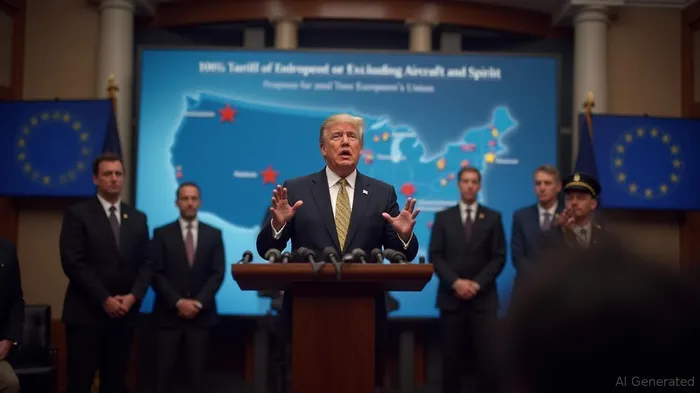
The United States has proposed a new tariff deal to the European Union, setting a 10% flat rate on all incoming goods. However, this deal includes exceptions for aircraft and alcoholic spirits, which are considered sensitive sectors. The European Commission has not officially commented on the proposal, stating only that negotiations are ongoing. This development comes as the Trump administration pushed back the date for reinstating broader tariffs, providing more time for countries to agree to new trade deals before facing the old April 2 tariff rates. Without new agreements, higher tariffs are set to take effect at the start of August. South Korea and Japan have already been notified that they will face 25% tariffs unless changes are made.
The European Union is actively working to avoid trade chaos before the August 1 deadline. Maroš Šefčovič, the EU’s trade chief, indicated that the Commission was not expecting a letter from the U.S. confirming the tariffs, following a private call between Trump and Ursula von der Leyen. However, the situation remains fluid, with officials noting that any final deal requires Trump’s personal approval. The U.S. has not yet promised special treatment for cars, pharmaceuticals, steel, or aluminum, all of which the EU had hoped to be exempted from the tariffs. France, Italy, and Ireland stand to benefit from the exemptions on jets and liquor, as these industries are particularly important to them. For the rest of the EU, the terms of the deal appear one-sided.
Simon Harris, Ireland’s trade minister, confirmed that the current status quo would be extended until August 1, providing additional time for the EU and the U.S. to reach an agreement in principle. This extension buys Brussels three more weeks, but there is still no certainty about the outcome. During a tense meeting on Monday evening, EU diplomats described the atmosphere as "somber," with no promises from Washington about avoiding future tariff changes or guarantees that today’s exceptions won’t vanish tomorrow. The new tariff policy is part of a broader trade strategy aimed at addressing trade imbalances and protecting domestic industries. By imposing a 10% baseline tariff on all goods, the policy seeks to level the playing field for American producers. The exemptions for aircraft and spirits are particularly significant, as these sectors are crucial for both economic and strategic reasons. The aircraft industry is a key component of the U.S. defense and aerospace sectors, while the spirits industry is an important part of the country's cultural and economic heritage.
The implementation of this tariff policy is expected to have far-reaching implications for global trade. The 10% baseline tariff will affect a wide range of goods, from food and agricultural products to natural gas, coal, and farm machinery. This broad application ensures that the policy has a significant impact on trade flows and economic relations. The exemptions for aircraft and spirits, however, provide some relief for these sensitive sectors, allowing them to continue operating without the added burden of higher tariffs. The new tariff policy is part of a broader effort to address trade imbalances and protect domestic industries. By imposing a 10% baseline tariff on all goods, the policy seeks to level the playing field for American producers. The exemptions for aircraft and spirits are particularly significant, as these sectors are crucial for both economic and strategic reasons. The aircraft industry, for example, is a key component of the U.S. defense and aerospace sectors, while the spirits industry is an important part of the country's cultural and economic heritage.







Comentarios
Aún no hay comentarios