
Proposed U.S. Tariffs Threaten PC Supply Chain Stability
Generado por agente de IAWesley Park
sábado, 1 de marzo de 2025, 5:56 am ET1 min de lectura
DELL--
The proposed U.S. tariffs on Chinese goods, including a 10 percent import tariff on laptops, have sent shockwaves through the PC industry. Acer, one of the world's largest computer makers, has already announced a 10 percent price increase on its laptops in the U.S. due to the new tariffs. This price increase is a direct response to the tariffs and will likely be followed by other manufacturers, such as DellDELL--, HPHPQ--, and Lenovo, as they also pass on the increased costs to consumers.
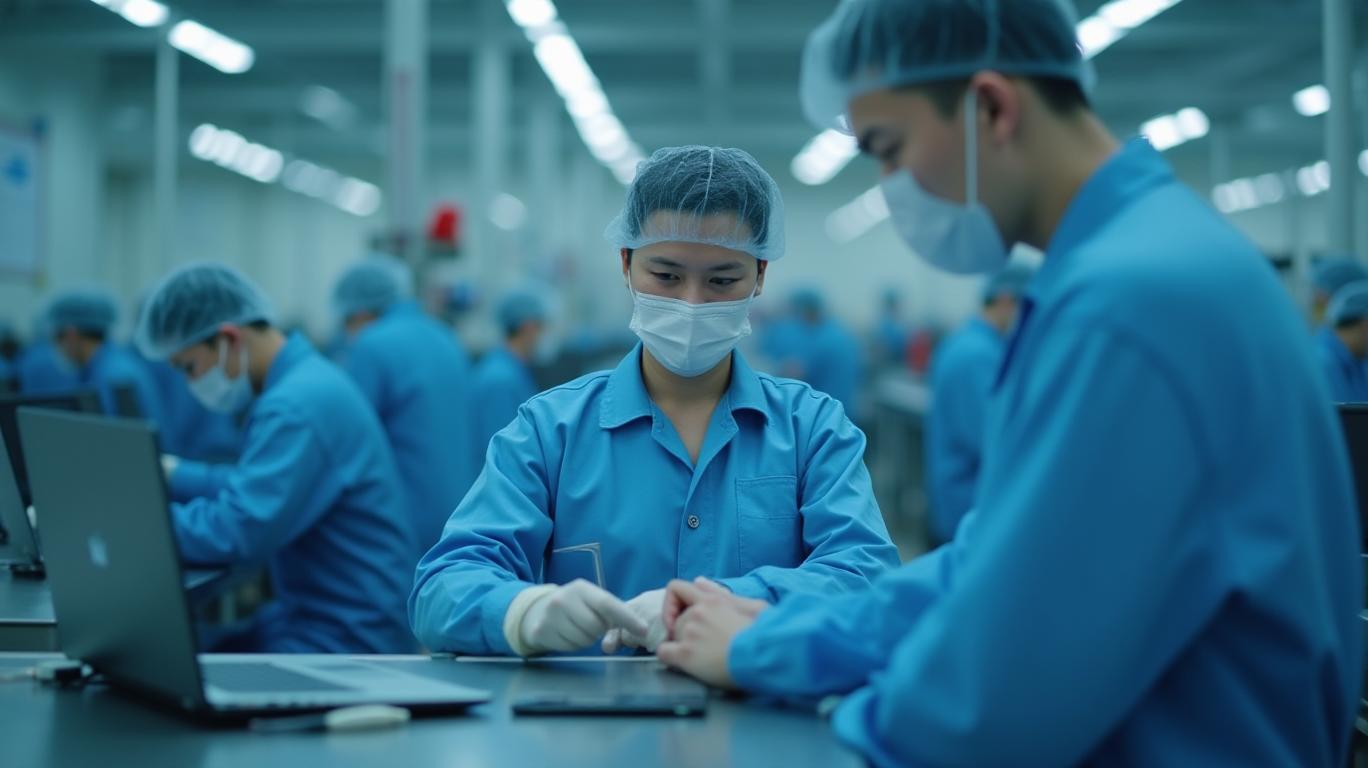
The tariffs could lead to a shortage of critical components for PC production, as many of these components are manufactured in China. This shortage could result in increased prices for consumers and businesses, as well as potential delays in the production and delivery of PCs. The increased prices could also lead to a decrease in demand for PCs, as consumers and businesses may choose to delay purchases or opt for cheaper alternatives.
The knock-on effects of these tariffs could be significant for other industries. The electronics industry, for example, relies heavily on semiconductors for a wide range of products, from smartphones to cars. A shortage of critical components for PC production could lead to a shortage of semiconductors for other industries, resulting in increased prices and potential delays in the production and delivery of other electronic devices.
The tariffs could also have geopolitical implications, as they could exacerbate tensions between the US and China. The US has already imposed tariffs on Chinese goods worth hundreds of billions of dollars, and China has retaliated with its own tariffs on US goods. The proposed tariffs on semiconductors could further escalate these tensions, potentially leading to a full-blown trade war between the two countries.
In conclusion, the proposed U.S. tariffs on Chinese imports, including semiconductors, could have significant implications for the global semiconductor market and the supply of critical components for PC production. The increased prices and potential shortages could lead to knock-on effects for other industries, as well as geopolitical tensions between the US and China. It is crucial for policymakers to consider these potential consequences when deciding on tariff policies.
HPQ--
The proposed U.S. tariffs on Chinese goods, including a 10 percent import tariff on laptops, have sent shockwaves through the PC industry. Acer, one of the world's largest computer makers, has already announced a 10 percent price increase on its laptops in the U.S. due to the new tariffs. This price increase is a direct response to the tariffs and will likely be followed by other manufacturers, such as DellDELL--, HPHPQ--, and Lenovo, as they also pass on the increased costs to consumers.
The tariffs could lead to a shortage of critical components for PC production, as many of these components are manufactured in China. This shortage could result in increased prices for consumers and businesses, as well as potential delays in the production and delivery of PCs. The increased prices could also lead to a decrease in demand for PCs, as consumers and businesses may choose to delay purchases or opt for cheaper alternatives.
The knock-on effects of these tariffs could be significant for other industries. The electronics industry, for example, relies heavily on semiconductors for a wide range of products, from smartphones to cars. A shortage of critical components for PC production could lead to a shortage of semiconductors for other industries, resulting in increased prices and potential delays in the production and delivery of other electronic devices.
The tariffs could also have geopolitical implications, as they could exacerbate tensions between the US and China. The US has already imposed tariffs on Chinese goods worth hundreds of billions of dollars, and China has retaliated with its own tariffs on US goods. The proposed tariffs on semiconductors could further escalate these tensions, potentially leading to a full-blown trade war between the two countries.
In conclusion, the proposed U.S. tariffs on Chinese imports, including semiconductors, could have significant implications for the global semiconductor market and the supply of critical components for PC production. The increased prices and potential shortages could lead to knock-on effects for other industries, as well as geopolitical tensions between the US and China. It is crucial for policymakers to consider these potential consequences when deciding on tariff policies.

Divulgación editorial y transparencia de la IA: Ainvest News utiliza tecnología avanzada de Modelos de Lenguaje Largo (LLM) para sintetizar y analizar datos de mercado en tiempo real. Para garantizar los más altos estándares de integridad, cada artículo se somete a un riguroso proceso de verificación con participación humana.
Mientras la IA asiste en el procesamiento de datos y la redacción inicial, un miembro editorial profesional de Ainvest revisa, verifica y aprueba de forma independiente todo el contenido para garantizar su precisión y cumplimiento con los estándares editoriales de Ainvest Fintech Inc. Esta supervisión humana está diseñada para mitigar las alucinaciones de la IA y garantizar el contexto financiero.
Advertencia sobre inversiones: Este contenido se proporciona únicamente con fines informativos y no constituye asesoramiento profesional de inversión, legal o financiero. Los mercados conllevan riesgos inherentes. Se recomienda a los usuarios que realicen una investigación independiente o consulten a un asesor financiero certificado antes de tomar cualquier decisión. Ainvest Fintech Inc. se exime de toda responsabilidad por las acciones tomadas con base en esta información. ¿Encontró un error? Reportar un problema




Comentarios
Aún no hay comentarios