
The Propane Supply Chain Crisis and Its Investment Implications: Navigating Energy Infrastructure Vulnerabilities and Logistics Sector Opportunities
The propane supply chain crisis of 2025 has emerged as a critical focal point for energy investors, shaped by a confluence of global demand surges, infrastructure constraints, and geopolitical shifts. As the U.S. remains a dominant exporter, its domestic logistics bottlenecks and labor shortages have created vulnerabilities that ripple across markets. However, these challenges also highlight untapped opportunities in infrastructure modernization and sustainable logistics innovations. For investors, understanding these dynamics is key to identifying resilient energy assets and forward-looking logistics solutions.
Energy Infrastructure Vulnerabilities: A Systemic Bottleneck
The U.S. propane supply chain is hamstrung by aging infrastructure and insufficient capacity to meet surging global demand. According to a report by Propane Insider, U.S. , yet domestic pipeline and rail networks remain inadequate to distribute this surplus efficiently. This mismatch between production and distribution has exacerbated price volatility, particularly as Asian markets-led by China and India- of U.S. exports.
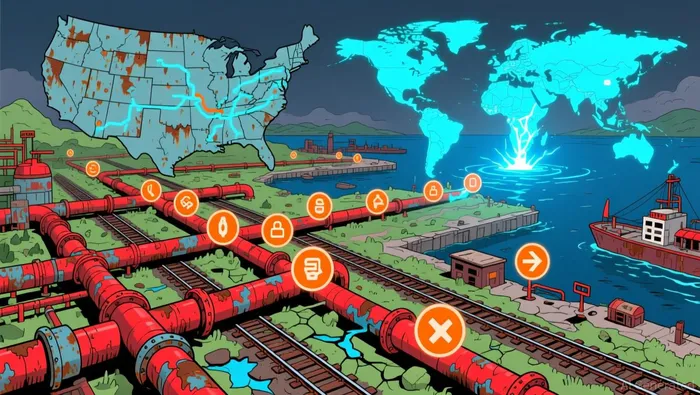 Geopolitical tensions further compound these issues. The expiration of the U.S.-China in late 2025, for instance, has redirected Chinese propane imports toward the Middle East and Southeast Asia, displacing U.S. market share. Meanwhile, the U.S. is attempting to offset this loss by expanding exports to Europe and India, but rail and pipeline constraints limit scalability. These infrastructure gaps are not merely operational-they represent systemic risks to energy security, particularly as winter demand peaks and severe weather events threaten delivery timelines according to analysis.
Labor Shortages and Operational Pressures: A Human Capital Crisis
Beyond physical infrastructure, the propane industry faces a critical labor shortage. A recent analysis by Propane Insider highlights a growing inability to hire drivers, service technicians, and administrative staff, with aging workforces and the physical demands of the job deterring younger entrants. This shortage has disrupted delivery schedules and strained customer service, particularly during the winter heating season. For example, New Jersey's declaration of a state of emergency following a service interruption at the Marcus Hook refinery underscores how localized labor and infrastructure failures can escalate into broader supply chain disruptions according to local reports.
Logistics Innovations: Renewable Propane and Scalable Solutions
Amid these challenges, the industry is pivoting toward sustainable and scalable logistics solutions. , derived from biomass and waste feedstocks, is gaining traction as a low-emission alternative compatible with existing infrastructure. Propane Levac, for instance, shipped Canada's first railcar of 100% renewable propane in 2025, demonstrating its seamless integration with traditional rail and pipeline systems. Similarly, Blue Star Gas in California is supplying 20% of its volume as renewable propane Autogas for port operations, aligning with decarbonization goals while maintaining efficiency.
Government incentives are accelerating this transition. The , for low-emission fuels, has spurred investments in renewable propane production and distribution. Companies like LP Propane are leveraging these incentives to develop smart delivery systems and hybrid applications, such as renewable DME, which further reduce carbon footprints and create new revenue streams through carbon credits.
Strategic Investment Opportunities: Resilience Through Diversification
For investors, the propane sector's challenges and innovations present a dual opportunity. First, infrastructure projects-such as expanded storage tanks, pipeline upgrades, and rail logistics-offer long-term value as the U.S. seeks to meet global demand while mitigating domestic bottlenecks. Second, renewable propane producers and logistics innovators are well-positioned to capitalize on regulatory tailwinds and sustainability-driven demand. For example, the EU's and Japan's growing adoption of bioLPG positions companies with scalable renewable propane capabilities for cross-border growth.
However, caution is warranted. The U.S. market's current oversupply, driven by record production and weak winter demand, has depressed wholesale prices and storage capacity. Investors must monitor regional consumption patterns, export dynamics, and weather forecasts to avoid overexposure to short-term volatility.
Conclusion: Balancing Risk and Reward in a Shifting Landscape
The 2025 propane supply chain crisis underscores the fragility of energy infrastructure and the urgency of modernization. While labor shortages and geopolitical uncertainties pose immediate risks, the industry's pivot toward renewable propane and infrastructure expansion offers a roadmap for resilience. For investors, the key lies in diversifying portfolios to include both traditional infrastructure upgrades and cutting-edge sustainable logistics. As the market evolves, companies that harmonize infrastructure resilience with sustainability will not only weather the current crisis but also lead the next phase of energy transition.







Comentarios
Aún no hay comentarios