
Profit Over Counterterrorism: Victims Sue Binance for $1B in Alleged Terror Financing
Victims of Hamas' October 2023 attack on Israel have filed a lawsuit against cryptocurrency exchange Binance and its founder, Changpeng Zhao, alleging the platform facilitated millions of dollars in transactions to the militant group and other U.S.-designated terrorist organizations. The complaint, filed in North Dakota federal court, claims Binance knowingly enabled Hamas, Hezbollah, and Iran's Revolutionary Guard to move over $1 billion through its platform, including more than $50 million after the October 7 attack. The plaintiffs include 306 American victims, including relatives of those killed, injured, or taken hostage, and seek compensatory and triple damages.
The lawsuit alleges that Binance, even after pleading guilty in 2023 to anti-money-laundering violations and paying a $4.32 billion criminal penalty, continued to allow illicit transactions. Zhao, who served a four-month prison sentence for the violations before being pardoned by President Donald Trump, is also named as a defendant. The complaint claims Binance structured itself as a "refuge for illicit activity" and has not meaningfully changed its business model.
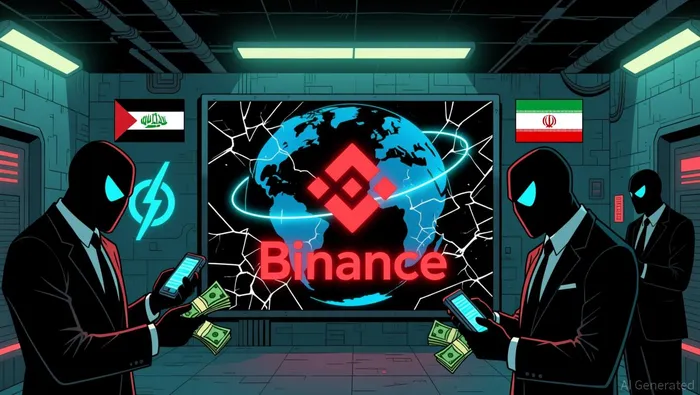
Specifically, the lawsuit highlights transactions linked to a 26-year-old Venezuelan woman who allegedly operated a gold-smuggling network for Hezbollah. Her account, opened in 2022, received $177 million in deposits and withdrew $43 million in cash, according to the complaint. The case also references a Brazilian livestock company, Fazenda Amazonia, which allegedly processed large sums of cryptocurrency without credible financial backing.
Binance declined to comment on the lawsuit but stated in a release that it "complies fully with internationally recognized sanctions laws." A lawyer for Zhao in related litigation did not respond to requests for comment. The lawsuit argues that Binance violated U.S. anti-terrorism laws by failing to implement adequate anti-money-laundering measures, including not filing suspicious activity reports with federal authorities.
The case adds to a growing legal and regulatory scrutiny of Binance. In 2023, the Justice Department and FinCEN noted that Binance employees were aware of the risks posed by allowing illicit transactions, including those linked to Hamas fundraising. The North Dakota lawsuit claims the platform's inaction created a system enabling terrorist groups to move crypto freely.
The legal dispute also raises questions about jurisdiction, as Binance is not based in the U.S. and faces pending cases in New York and Alabama. The North Dakota complaint cites transactions executed by IP addresses in the state, potentially grounding the lawsuit there.
Attorney Lee Wolosky, representing the plaintiffs, stated in a release, "When a company chooses profit over even the most basic counterterrorism obligations", "it must be held accountable-and it will be".







Comentarios
Aún no hay comentarios