
U.S. Probes China's Shipbuilding Practices Amid Trump's Tariff Threat
Generado por agente de IAWesley Park
lunes, 13 de enero de 2025, 3:38 am ET2 min de lectura
ILPT--
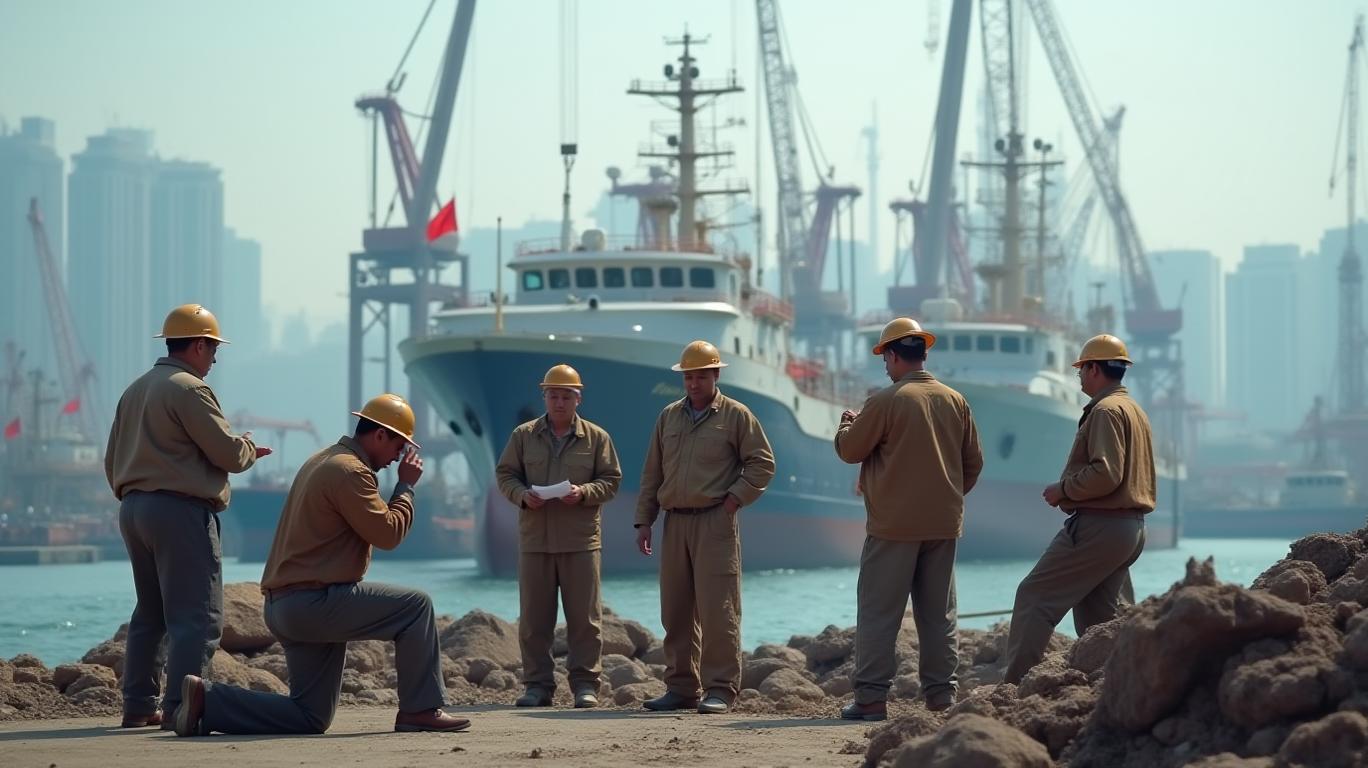
The U.S. Trade Representative (USTR) has initiated an investigation into China's acts, policies, and practices targeting the maritime, logistics, and shipbuilding sectors for dominance. This move comes as President Trump threatens to impose tariffs on Chinese shipbuilding products, raising concerns about potential disruptions in the global shipbuilding market.
The USTR's investigation, launched in April 2024, follows a petition filed by five national labor unions alleging that China uses unfair, non-market policies and practices to achieve dominance in these sectors. The unions claim that China employs financial support, barriers for foreign firms, forced technology transfer, and intellectual property theft to gain an advantage in shipbuilding. Additionally, China suppresses labor costs in the maritime and logistics sectors, further enhancing its competitive edge.

Trump's tariff threat on Chinese shipbuilding products could have significant implications for both the U.S. and global shipbuilding sectors. If imposed, these tariffs could make Chinese products more expensive, potentially reducing their competitiveness in the U.S. market. This could lead to increased demand for U.S.-built ships, benefiting domestic shipyards and workers. However, it's essential to consider potential retaliation from China, which could lead to a trade war, negatively impacting both countries' economies.
The global shipbuilding market is valued at around $150 billion, and any significant changes in trade policies could have substantial impacts on this industry. For instance, if U.S. companies start sourcing ships from other countries, it could lead to increased competition and potentially lower prices in the global market. Additionally, the threat of tariffs could encourage other countries to adopt similar protectionist measures, leading to a more fragmented global shipbuilding market.

While tariffs can lead to higher prices for consumers, the impact on inflation is not straightforward. A 20% tariff on imported goods would translate to an average price increase of 8%, perhaps somewhat more, due to factors like pass-through rates and profit-led inflation. The Federal Reserve (Fed) would likely consider tariffs as a one-time price increase when deciding the appropriate policy rate. However, profit-led inflation could trigger a reaction from the Fed in the form of tighter monetary policy. An appreciation of the U.S. dollar could offset the tariff for U.S. consumers, but it may not help restrain inflation, as seen in the 2018 tariffs met with a depreciation of the Chinese yuan against the U.S. dollar.
In conclusion, the U.S. investigation into China's shipbuilding industry and Trump's tariff threat could have significant impacts on both the U.S. and global shipbuilding sectors, as well as potential implications for inflation. However, the ultimate effects will depend on various factors, including the magnitude and duration of the tariffs, retaliation from China, and the response of other countries to the changing trade dynamics. As the U.S. and China continue to navigate their complex trade relationship, it is crucial to monitor these developments closely to assess any impacts on the global shipbuilding market and the broader economy.
WTRG--
The U.S. Trade Representative (USTR) has initiated an investigation into China's acts, policies, and practices targeting the maritime, logistics, and shipbuilding sectors for dominance. This move comes as President Trump threatens to impose tariffs on Chinese shipbuilding products, raising concerns about potential disruptions in the global shipbuilding market.
The USTR's investigation, launched in April 2024, follows a petition filed by five national labor unions alleging that China uses unfair, non-market policies and practices to achieve dominance in these sectors. The unions claim that China employs financial support, barriers for foreign firms, forced technology transfer, and intellectual property theft to gain an advantage in shipbuilding. Additionally, China suppresses labor costs in the maritime and logistics sectors, further enhancing its competitive edge.
Trump's tariff threat on Chinese shipbuilding products could have significant implications for both the U.S. and global shipbuilding sectors. If imposed, these tariffs could make Chinese products more expensive, potentially reducing their competitiveness in the U.S. market. This could lead to increased demand for U.S.-built ships, benefiting domestic shipyards and workers. However, it's essential to consider potential retaliation from China, which could lead to a trade war, negatively impacting both countries' economies.
The global shipbuilding market is valued at around $150 billion, and any significant changes in trade policies could have substantial impacts on this industry. For instance, if U.S. companies start sourcing ships from other countries, it could lead to increased competition and potentially lower prices in the global market. Additionally, the threat of tariffs could encourage other countries to adopt similar protectionist measures, leading to a more fragmented global shipbuilding market.
While tariffs can lead to higher prices for consumers, the impact on inflation is not straightforward. A 20% tariff on imported goods would translate to an average price increase of 8%, perhaps somewhat more, due to factors like pass-through rates and profit-led inflation. The Federal Reserve (Fed) would likely consider tariffs as a one-time price increase when deciding the appropriate policy rate. However, profit-led inflation could trigger a reaction from the Fed in the form of tighter monetary policy. An appreciation of the U.S. dollar could offset the tariff for U.S. consumers, but it may not help restrain inflation, as seen in the 2018 tariffs met with a depreciation of the Chinese yuan against the U.S. dollar.
In conclusion, the U.S. investigation into China's shipbuilding industry and Trump's tariff threat could have significant impacts on both the U.S. and global shipbuilding sectors, as well as potential implications for inflation. However, the ultimate effects will depend on various factors, including the magnitude and duration of the tariffs, retaliation from China, and the response of other countries to the changing trade dynamics. As the U.S. and China continue to navigate their complex trade relationship, it is crucial to monitor these developments closely to assess any impacts on the global shipbuilding market and the broader economy.

Divulgación editorial y transparencia de la IA: Ainvest News utiliza tecnología avanzada de Modelos de Lenguaje Largo (LLM) para sintetizar y analizar datos de mercado en tiempo real. Para garantizar los más altos estándares de integridad, cada artículo se somete a un riguroso proceso de verificación con participación humana.
Mientras la IA asiste en el procesamiento de datos y la redacción inicial, un miembro editorial profesional de Ainvest revisa, verifica y aprueba de forma independiente todo el contenido para garantizar su precisión y cumplimiento con los estándares editoriales de Ainvest Fintech Inc. Esta supervisión humana está diseñada para mitigar las alucinaciones de la IA y garantizar el contexto financiero.
Advertencia sobre inversiones: Este contenido se proporciona únicamente con fines informativos y no constituye asesoramiento profesional de inversión, legal o financiero. Los mercados conllevan riesgos inherentes. Se recomienda a los usuarios que realicen una investigación independiente o consulten a un asesor financiero certificado antes de tomar cualquier decisión. Ainvest Fintech Inc. se exime de toda responsabilidad por las acciones tomadas con base en esta información. ¿Encontró un error? Reportar un problema


SOBRE NOSOTROS
Nuestra historiaAutores de noticiasBase de conocimientosPolítica de privacidadTérmino de usoDescargo de responsabilidad de corretaje de tercerosTérminos de uso de AIMEDivulgaciones de riesgos de AInvest AICarrerasCONTÁCTENOS
Email: support@ainvest.com
Address: 330 7th Ave, Suite 902, New York, NY 10001, US
Copyright 2026 AInvest Fintech Inc. All rights reserved.


Comentarios
Aún no hay comentarios