
President Seeks Long-Term Federal Control of D.C. Police Amid Crime Concerns
The President of the United States has announced plans to seek long-term federal control over the Washington D.C. police department. This decision follows the declaration of a state of emergency in the capital on August 11, which placed the Metropolitan Police Department under federal jurisdiction and deployed the National Guard to bolster law enforcement efforts. The President's intention to extend federal control beyond the initial 30-day period, as mandated by the District of Columbia Home Rule Act, has ignited debate and concern among local officials.
The announcement was made during a speech at the Kennedy Center, where the President underscored the necessity for legislative action to tackle crime in the district. He urged Congress to pass a bill that would extend the 30-day federal control period, arguing that the current crime situation in Washington D.C. necessitates a more sustained federal presence. The President's comments came as the city's mayor expressed discontent with the federal takeover, noting a substantial decrease in violent crime rates over the past three decades and questioning the need for federal intervention.
The deployment of the National Guard and the federal takeover of the police department have elicited varied responses. While some residents and law enforcement officials have welcomed the additional support, others have expressed discomfort about the encroachment on local autonomy. The mayor of Washington D.C. has been particularly outspoken in her criticism, describing the federal government's actions as "disturbing" and "unnecessary." She has also emphasized the city's achievements in reducing crime rates, attributing the success to local initiatives and community engagement.
The President's advocacy for long-term federal control over the Washington D.C. police department raises critical questions about the balance between federal and local authority in law enforcement. The current legal framework, as outlined in the District of Columbia Home Rule Act, restricts federal control to a 30-day period unless extended by Congress. This limitation is intended to maintain the autonomy of local governments while allowing for federal intervention in emergencies. The President's call for an extension of federal control, however, challenges this balance and could establish a precedent for future interventions in other jurisdictions.
The situation in Washington D.C. highlights the intricate relationship between federal and local authorities in addressing public safety concerns. While the President's actions aim to enhance law enforcement efforts and restore order, they also raise concerns about potential overreach and the erosion of local autonomy. As the debate over federal control continues, it is crucial to consider the long-term implications for law enforcement and governance in the nation's capital and beyond. The President's push for legislative action to extend federal control underscores the need for a comprehensive approach to crime prevention and public safety, one that balances the need for federal intervention with the importance of local autonomy and community engagement. The outcome of this debate will have significant implications for the future of law enforcement and governance in Washington D.C. and other jurisdictions across the country. 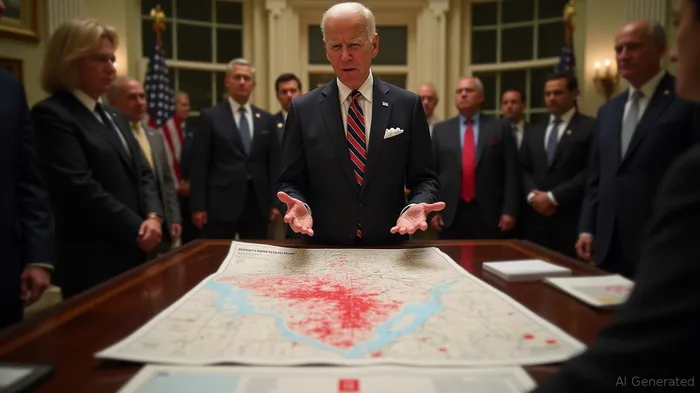







Comentarios
Aún no hay comentarios