
President-Elect Trump: A Wild Ride for Stocks
Generado por agente de IAWesley Park
jueves, 28 de noviembre de 2024, 5:14 am ET1 min de lectura
AAPL--
AMZN--
BTC--
MASS--
As President-Elect Donald Trump prepares to take office, investors brace themselves for a potential rollercoaster ride in the stock market. Trump's first term was marked by significant market fluctuations, and his re-election promises more of the same, if not even greater volatility. In this article, we explore the potential impact of Trump's policies on the stock market and offer advice on navigating this uncertain terrain.
Trump's pro-business stance and deregulation efforts have historically been bullish for the stock market. His administration's tax cuts and rollbacks of environmental regulations have benefited sectors such as Financials, Energy, and Cryptocurrencies. However, Trump's trade policies, including tariffs and mass deportations, have led to market uncertainty and slower growth. Moreover, his broad-based tariffs and mass deportations could lead to higher inflation, labor shortages, and slower trade and tourism, all of which could weigh on the economy and the stock market.
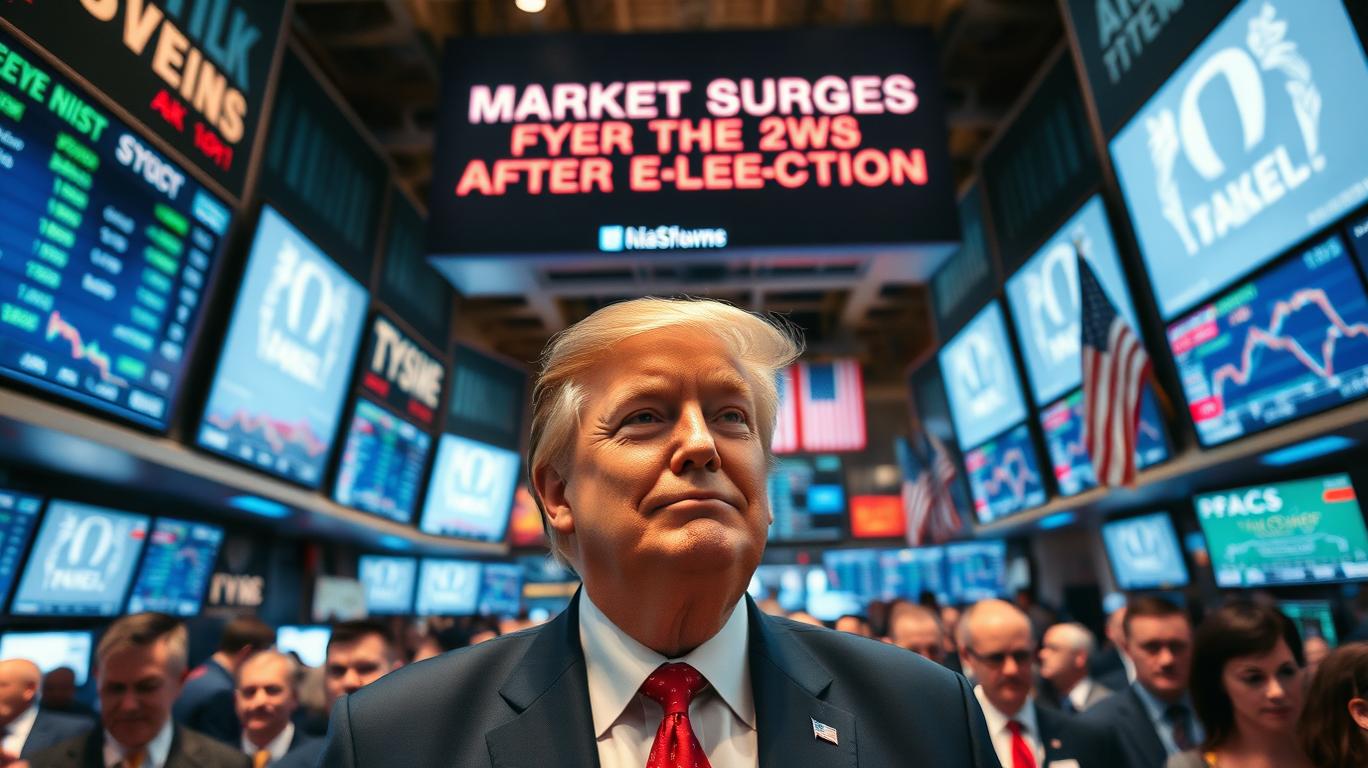
The markets have already begun to react to Trump's re-election. On the day after the election, U.S. stocks surged, led by a 1,500-point jump in the Dow. Banks and oil and gas companies were among the biggest winners, while green energy stocks sank under the weight of Trump's bashing of climate change programs. Bitcoin also rallied on Trump's remarks about making the U.S. the dominant cryptocurrency market.
However, not all sectors will benefit from Trump's policies. Autos, Retail, and Technology could face headwinds from higher costs due to tariffs, while Technology companies with significant offshore operations may struggle due to potential retaliation from other countries. Additionally, if Trump's policies lead to higher deficits and inflation, the Federal Reserve may keep interest rates higher for longer, weighing on consumer spending and, consequently, retail and auto sales.
As investors, we must focus on maintaining a balanced portfolio, combining growth and value stocks. Avoid selling strong companies like Amazon and Apple during market downturns, as they have proven their resilience over time. Instead, prioritize risk management and stay informed about market predictions and asset allocation decisions. Consider under-owned sectors like energy stocks and strategic acquisitions for organic growth, as seen with Salesforce.
Monitor external factors such as labor market dynamics, wage inflation, and geopolitical tensions affecting semiconductor supply chains. Trust independent corporate initiatives over government reliance, as companies with robust management and enduring business models tend to perform better in the long run.
In conclusion, President-Elect Donald Trump is set to make dubious stock market history, with his policies likely to bring volatility and uncertainty. As investors, we must stay informed, maintain a balanced portfolio, and prioritize risk management to navigate this wild ride. By focusing on stable, predictable investments and avoiding the temptation to chase short-term gains, we can position ourselves for long-term success.
Trump's pro-business stance and deregulation efforts have historically been bullish for the stock market. His administration's tax cuts and rollbacks of environmental regulations have benefited sectors such as Financials, Energy, and Cryptocurrencies. However, Trump's trade policies, including tariffs and mass deportations, have led to market uncertainty and slower growth. Moreover, his broad-based tariffs and mass deportations could lead to higher inflation, labor shortages, and slower trade and tourism, all of which could weigh on the economy and the stock market.
The markets have already begun to react to Trump's re-election. On the day after the election, U.S. stocks surged, led by a 1,500-point jump in the Dow. Banks and oil and gas companies were among the biggest winners, while green energy stocks sank under the weight of Trump's bashing of climate change programs. Bitcoin also rallied on Trump's remarks about making the U.S. the dominant cryptocurrency market.
However, not all sectors will benefit from Trump's policies. Autos, Retail, and Technology could face headwinds from higher costs due to tariffs, while Technology companies with significant offshore operations may struggle due to potential retaliation from other countries. Additionally, if Trump's policies lead to higher deficits and inflation, the Federal Reserve may keep interest rates higher for longer, weighing on consumer spending and, consequently, retail and auto sales.
As investors, we must focus on maintaining a balanced portfolio, combining growth and value stocks. Avoid selling strong companies like Amazon and Apple during market downturns, as they have proven their resilience over time. Instead, prioritize risk management and stay informed about market predictions and asset allocation decisions. Consider under-owned sectors like energy stocks and strategic acquisitions for organic growth, as seen with Salesforce.
Monitor external factors such as labor market dynamics, wage inflation, and geopolitical tensions affecting semiconductor supply chains. Trust independent corporate initiatives over government reliance, as companies with robust management and enduring business models tend to perform better in the long run.
In conclusion, President-Elect Donald Trump is set to make dubious stock market history, with his policies likely to bring volatility and uncertainty. As investors, we must stay informed, maintain a balanced portfolio, and prioritize risk management to navigate this wild ride. By focusing on stable, predictable investments and avoiding the temptation to chase short-term gains, we can position ourselves for long-term success.

Divulgación editorial y transparencia de la IA: Ainvest News utiliza tecnología avanzada de Modelos de Lenguaje Largo (LLM) para sintetizar y analizar datos de mercado en tiempo real. Para garantizar los más altos estándares de integridad, cada artículo se somete a un riguroso proceso de verificación con participación humana.
Mientras la IA asiste en el procesamiento de datos y la redacción inicial, un miembro editorial profesional de Ainvest revisa, verifica y aprueba de forma independiente todo el contenido para garantizar su precisión y cumplimiento con los estándares editoriales de Ainvest Fintech Inc. Esta supervisión humana está diseñada para mitigar las alucinaciones de la IA y garantizar el contexto financiero.
Advertencia sobre inversiones: Este contenido se proporciona únicamente con fines informativos y no constituye asesoramiento profesional de inversión, legal o financiero. Los mercados conllevan riesgos inherentes. Se recomienda a los usuarios que realicen una investigación independiente o consulten a un asesor financiero certificado antes de tomar cualquier decisión. Ainvest Fintech Inc. se exime de toda responsabilidad por las acciones tomadas con base en esta información. ¿Encontró un error? Reportar un problema


SOBRE NOSOTROS
Nuestra historiaAutores de noticiasBase de conocimientosPolítica de privacidadTérmino de usoDescargo de responsabilidad de corretaje de tercerosTérminos de uso de AIMEDivulgaciones de riesgos de AInvest AICarrerasCONTÁCTENOS
Email: support@ainvest.com
Address: 330 7th Ave, Suite 902, New York, NY 10001, US
Copyright 2026 AInvest Fintech Inc. All rights reserved.


Comentarios
Aún no hay comentarios