
Precious Metals' Record 2025 Rally and 2026 Outlook: Geopolitical Tailwinds and Structural Supply-Demand Imbalances
The 2025 precious metals market has been defined by a historic rally, driven by a confluence of geopolitical tensions, structural supply constraints, and surging demand for safe-haven assets. Gold and silver, in particular, have outperformed nearly all asset classes, with gold prices . This unprecedented performance reflects a global shift in investor sentiment, as markets grapple with the fallout of U.S. trade policies, regional conflicts, and central bank actions. As we approach 2026, the interplay of these forces suggests that precious metals will remain a critical component of diversified portfolios.
Geopolitical Tailwinds: Trade Wars and Safe-Haven Demand
The U.S. "America First" agenda, characterized by historically high tariffs, has created a volatile macroeconomic environment. These policies, coupled with escalating conflicts in the Middle East and Eastern Europe, have eroded confidence in traditional fiat currencies and spurred a flight to gold and silver. By year-end 2025, gold prices had reached record highs, with analysts at J.P. Morgan predicting . Silver's parabolic rise, meanwhile, has been fueled by both industrial demand and its role as a hedge against inflation and currency devaluation according to market analysis.
The U.S. dollar's depreciation, exacerbated by Federal Reserve rate cuts, has further amplified demand for precious metals. Central banks, particularly in emerging markets, have accelerated gold purchases to diversify reserves away from dollar-based assets. This trend, combined with ETF inflows, has created a self-reinforcing cycle of scarcity and price appreciation.
Structural Supply-Demand Imbalances: Silver's Crisis and Gold's Resilience
While geopolitical factors set the stage for the 2025 rally, structural imbalances in supply chains have been the catalyst for sustained price momentum. 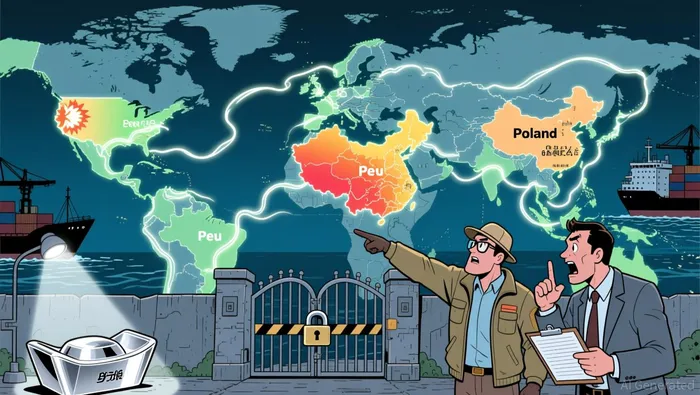 Silver, in particular, faces a perfect storm of declining ore grades, limited mine development, and export restrictions. China's decision to restrict silver exports in late 2025-mirroring its earlier control over rare earth minerals-has intensified global supply chain vulnerabilities. This move, combined with since 2021, has left inventories at critical lows, according to market reports.
Gold's supply-side challenges are less acute but no less significant. Central bank diversification away from the dollar has reduced above-ground inventories, while mine production struggles to keep pace with demand according to market analysis. Unlike silver, gold's supply is less tied to industrial applications, but its role as a geopolitical hedge ensures continued institutional demand.
2026 Outlook: Volatility and Opportunity
The 2026 outlook for precious metals remains bullish, though shaped by evolving risks. Gold is expected to maintain its safe-haven appeal as geopolitical tensions persist and central banks continue to accumulate reserves according to J.P. Morgan. Analysts at Marex anticipate that gold could test $5,000 per ounce, supported by ETF inflows and a weaker dollar according to their market outlook. Silver, meanwhile, faces a more complex trajectory. While structural deficits and industrial demand , volatility from paper contract imbalances and liquidity constraints could create short-term turbulence according to market analysis.
The gold-to-silver ratio, currently at historically high levels, also signals silver's undervaluation relative to gold according to market data. This dynamic, coupled with China's strategic control over silver exports, may drive a catch-up rally in 2026.
Conclusion: A New Era for Precious Metals
The 2025 rally in precious metals underscores a paradigm shift in global finance. Geopolitical tailwinds and structural supply constraints have transformed gold and silver from traditional safe-haven assets into essential components of a diversified portfolio. As 2026 unfolds, investors must remain attuned to the interplay of macroeconomic shifts, trade policy developments, and industrial demand. For those willing to navigate the volatility, the coming year presents compelling opportunities in a market reshaped by uncertainty and scarcity.







Comentarios
Aún no hay comentarios