
Prada Defies Luxury Sector Slump with Strategic Growth Spur
Amid a broader slowdown in the global luxury market, Prada GroupPRAA-- has emerged as a standout performer, defying industry headwinds with resilient sales and bold strategic moves. The Italian fashion house reported a 13% year-on-year revenue rise in Q1 2025 to €1.341 billion, fueled by strong demand for its core Prada brand and explosive growth in its younger sister label, Miu Miu. While giants like LVMH faced a 3% revenue decline, Prada’s agility and focused execution highlight its potential as a top-tier investment in a consolidating sector.
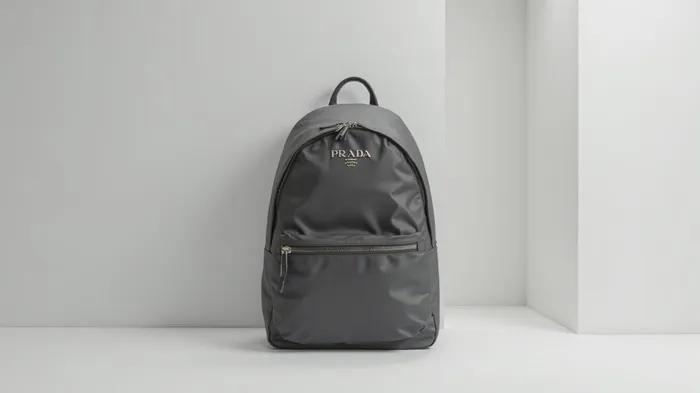
Outperforming the Luxury Downturn
The luxury market’s growth rate has slowed to 1-3% annually through 2027, down from a 5% CAGR between 2019-2023. This deceleration, driven by price sensitivity, macroeconomic uncertainty, and shifting consumer preferences, has hit conglomerates like LVMH particularly hard. The world’s largest luxury group reported a 3% organic revenue decline in Q1 2025, with its Wines & Spirits division falling 9% and Fashion & Leather Goods sliding 5%. Meanwhile, Prada’s results shine:
- Miu Miu’s meteoric rise: Sales surged 60% to €377 million, driven by pop-up initiatives like the Miu Miu Gymnasium and Custom Studio. The brand’s edgy, youth-centric collections are resonating with Gen Z, a demographic now accounting for 20% of global luxury sales.
- Asia-Pacific resilience: Despite Chinese domestic spending volatility, Prada’s Asia-Pacific sales grew 10% to €438 million. Middle Eastern markets, a key growth frontier, expanded 31% to €70 million.
- Prada brand stability: Core sales held steady at €827 million, a “lowest plateau” amid sector turbulence but still a testament to brand loyalty.
Strategic Leverage Points
Prada’s success hinges on three pillars: brand differentiation, regional diversification, and strategic acquisitions.
Brand Evolution:
While rivals struggle with overexposure and logo-centric branding, Prada leans into “quiet luxury” — understated designs that emphasize craftsmanship over flash. Its recent Shanghai Rong Zhai art and dining space exemplifies its push into experiential luxury, aligning with a sector-wide shift toward immersive client experiences.Geographic Balance:
Unlike LVMH’s reliance on mature markets like the U.S. (which saw declines in Q1), Prada’s growth is spread across emerging regions. The Middle East’s 31% sales spike underscores its focus on high-growth markets, while Europe’s 14% rise reflects both domestic demand and tourist activity.Miu Miu as a Growth Engine:
Miu Miu’s 60% sales jump isn’t just a numbers win; it’s a cultural statement. The brand’s pop-up projects and custom studios create buzz and exclusivity, appealing to younger buyers who prioritize uniqueness. This contrasts sharply with LVMH’s stagnant Perfumes & Cosmetics division (0% growth) and declining Wines & Spirits.
Risks and the Versace Acquisition
Prada’s planned €1.25 billion acquisition of Versace from Capri Holdings is a double-edged sword. Analysts warn of potential margin dilution, given Versace’s recent 15% sales decline in Q4 2024 and the broader sector’s struggles with overexposure. However, the move could:
- Expand reach: Versace’s celebrity-driven aesthetic complements Prada’s understated elegance, targeting different demographics.
- Leverage synergies: Shared supply chains and distribution networks could reduce costs, though Prada insists both brands will operate independently to preserve their distinct identities.
Investment Case: Why Prada Stands Out
The luxury sector’s slowdown isn’t a death knell — it’s a reset. Investors seeking winners should prioritize brands with:
- Youth appeal: Miu Miu’s growth mirrors the sector’s Gen Z shift.
- Experiential innovation: Prada’s cultural investments (e.g., Shanghai Rong Zhai) build long-term brand equity.
- Regional flexibility: Prada’s balanced exposure to Asia, Europe, and the Middle East insulates it from single-market risks.
Conclusion: A Leader in a Consolidating Market
Prada’s Q1 2025 results are a masterclass in navigating a turbulent luxury landscape. With Miu Miu’s 60% sales surge, Middle Eastern markets booming at 31%, and a core brand maintaining its footing, the company is outperforming peers like LVMH, which saw a 3% revenue decline. The Versace acquisition, while risky, positions Prada to capitalize on a sector where consolidation is inevitable.
Crucially, Prada’s focus on craftsmanship, cultural relevance, and youth-centric innovation aligns with the luxury industry’s future: a world where value is defined not by logos, but by authenticity, experience, and adaptability. For investors, Prada’s 13% revenue growth in a 1-3% growth environment makes it a compelling play on a sector ripe for selective outperformance.
Final Data Points to Watch:
- Miu Miu’s full-year performance: Will its Q1 momentum sustain?
- Versace integration: Margin impact and brand synergy outcomes.
- Chinese consumer recovery: Prada’s domestic sales declined slightly, but travel-related spending remains strong — a critical test for Asia’s recovery.
In a luxury market where the strong survive, Prada is proving it has the agility to thrive.







Comentarios
Aún no hay comentarios