
Power Solutions International: Insider Selling vs. Strategic Growth—A Nuanced Investment Analysis
Power Solutions International (NASDAQ: PSIX) has emerged as a standout performer in 2025, driven by a strategic pivot toward high-growth markets and robust financial results. However, a surge in insider selling has sparked debate about whether this activity undermines investor confidence or reflects unrelated personal financial decisions. To evaluate this, we must dissect the company's financial strategy, operational momentum, and the context of insider transactions.
Financial Performance: A Turnaround Story
PSIX's first-quarter 2025 results underscore its transformation. The company reported net sales of $135.4 million, a 42% year-over-year increase, alongside a net income of $19.1 million and a gross margin of 29.7%[5]. These figures highlight improved operational efficiency and debt reduction, which have strengthened the balance sheet. Management attributes this success to increased demand in the Power Systems segment, particularly for emission-certified engines used in data centers and oil and gas infrastructure[3].
The strategic alignment with AI-driven energy needs further bolsters PSIX's outlook. As data centers consume 2% of global electricity, companies like PSIX—specializing in power generation and infrastructure—are positioned to benefit from this trend[4].
Insider Selling: A Signal or a Distraction?
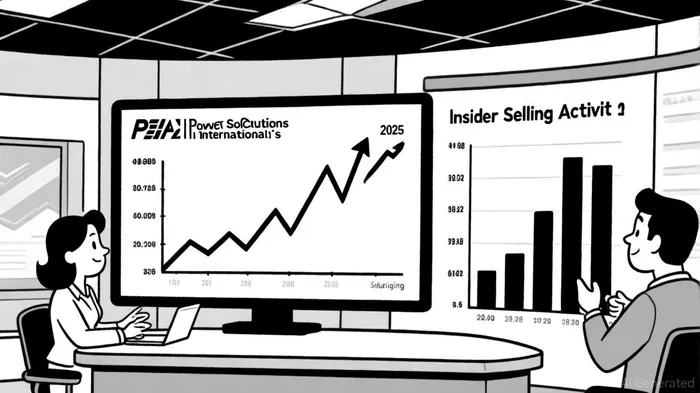
Despite these positives, insider selling has raised eyebrows. Gary S. Winemaster, a major shareholder, sold shares totaling $1.73 million in 2025, including transactions in January and April[1]. On September 11, 2025, entities linked to Weichai America Corp. executed a coordinated sale of 79,839 shares under Rule 144, reducing their stake to 10,599,759 shares[3].
While insider selling is not inherently negative—executives often diversify portfolios or meet personal liquidity needs—the absence of insider purchases during this period is notable[1]. However, it is critical to contextualize these transactions. For instance, Weichai's sale occurred after PSIX's stock had already surged, potentially reflecting a strategic reallocation rather than a lack of confidence. Additionally, insider selling has not deterred the company's share price from rising, suggesting market forces may outweigh internal sentiment.
Strategic Positioning: High-Growth Sectors as a Catalyst
PSIX's long-term prospects hinge on its ability to capitalize on structural trends. The company's expansion into data center power systems aligns with the AI boom, which is projected to drive energy demand by 60% over the next decade[4]. Meanwhile, its oil and gas products remain resilient amid global energy transition debates, as legacy infrastructure continues to require maintenance and upgrades[3].
Management has also prioritized manufacturing scalability, investing in facilities to meet surging demand. These efforts, combined with a leaner cost structure, position PSIXPSIX-- to sustain profitability even amid supply chain challenges[5].
Conclusion: Balancing Signals for Informed Investment
The interplay between PSIX's financial strength and insider selling presents a nuanced picture. While the latter may raise caution flags, the former—marked by record sales, strategic diversification, and favorable industry tailwinds—suggests a company on a solid trajectory. Investors should weigh these factors against broader market dynamics. For now, PSIX's ability to deliver results despite internal share sales indicates that insider activity may not reflect a lack of confidence but rather a complex mix of personal and strategic considerations.





Comentarios
Aún no hay comentarios