
The Power of Discomfort in High-Performance Investing
In the world of high-stakes investing, comfort is often the enemy of growth. The most successful investors are not those who avoid risk but those who embrace discomfort as a catalyst for innovation and resilience. Kevin O'Leary, the "Shark Tank" investor known for his sharp wit and unapologetic business acumen, offers a compelling case study in this philosophy. His foray into acting in the film Marty Supreme-a role that forced him to step far beyond his professional comfort zone-mirrors the principles of high-performance investing: adaptability, pattern recognition under uncertainty, and the courage to confront unfamiliar challenges.
The O'Leary Paradox: From Sharks to Screen Roles
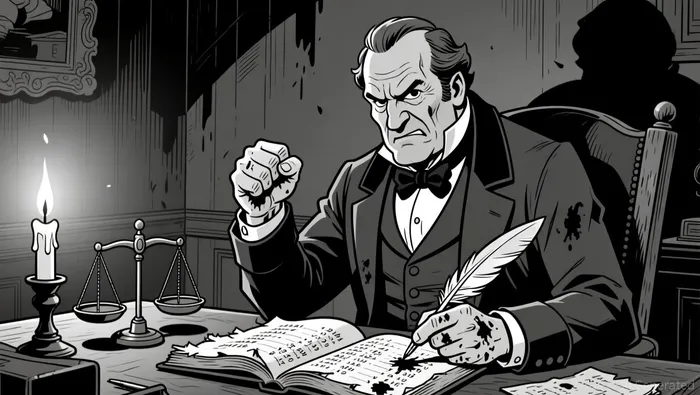
O'Leary's portrayal of Milton Rockwell in Marty Supreme is no mere cameo. The character, a wealthy and ruthless businessman, was crafted to reflect O'Leary's own persona, with the actor even contributing a dramatic monologue about being a vampire born in 1601. This role required O'Leary to navigate the unfamiliar terrain of acting- a process he described as "remarkable" and a source of newfound discipline. His experience underscores a critical insight: stepping into uncharted territory, whether in film or finance, sharpens one's ability to adapt and thrive under pressure.
O'Leary's approach to the role aligns with his investment philosophy. He has long emphasized the importance of "pattern recognition under uncertainty," a skill honed by his willingness to take on unconventional challenges. Just as he dissected the intricacies of a 17th-century vampire's psyche for the film, investors must dissect complex market dynamics, often with incomplete information. The discomfort of venturing into the unknown, O'Leary suggests, is where true mastery is forged.
Academic Backing for Discomfort-Driven Resilience
The link between unconventional experiences and high-achieving investment strategies is not anecdotal. Research in behavioral finance highlights how exposure to high-stress or unfamiliar environments builds psychological resilience, a trait critical for navigating volatile markets. A 2025 study found that high workloads in investment sectors correlate with increased resilience over time, while conflicts with investors can erode it. Similarly, O'Leary's experience on set-where he initially bristled at director Josh Safdie's meticulous direction-mirrors the tension investors face when challenging their own assumptions or those of their peers.
Moreover, firms with a strong customer orientation demonstrate greater stock resilience during crises, such as the 2008 financial downturn and the pandemic. This adaptability stems from a willingness to pivot-a skill O'Leary cultivated by embracing the chaos of filmmaking. His ability to source period-appropriate watches for his role, for instance, reflects a meticulous attention to detail that translates to rigorous due diligence in investing.
The Strategic Value of Unconventional Experiences
O'Leary's acting venture also aligns with broader trends in institutional investing. A 2025 report reveals that 86% of institutional investors now hold or plan to allocate digital assets, with 59% committing over 5% of their portfolios to cryptocurrencies. This shift toward non-traditional assets mirrors O'Leary's own embrace of discomfort: just as he ventured into acting, investors are increasingly allocating capital to unconventional sectors like FinTech and green bonds to hedge against systemic risks .
Academic research further supports this approach. Studies show that personal investment experiences-particularly those involving high uncertainty-significantly influence risk-taking behavior. Investors who have navigated prior challenges, whether in business or creative pursuits, tend to make bolder, more adaptive decisions. O'Leary's film role, while seemingly unrelated to finance, likely enhanced his ability to assess risk in novel contexts-a skill that directly benefits his investment strategies.
Conclusion: Embracing Discomfort as a Strategic Advantage
Kevin O'Leary's journey in Marty Supreme is more than a personal milestone; it's a microcosm of high-performance investing. By confronting the discomfort of acting, he cultivated discipline, adaptability, and a sharper understanding of human behavior-qualities that translate seamlessly to the boardroom and beyond. For investors, the lesson is clear: discomfort is not a barrier but a gateway to innovation.
As markets grow increasingly volatile, the ability to step outside one's comfort zone-to explore, to fail, and to adapt-will separate the resilient from the stagnant. O'Leary's example reminds us that the most successful investors are not those who avoid discomfort but those who weaponize it.







Comentarios
Aún no hay comentarios