
Powell Signals Rate-Cut Possibility Amid Labor Market Concerns, Spurring Treasury Rally
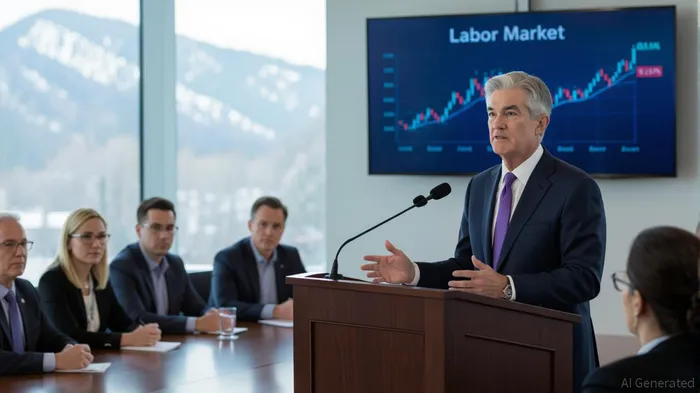
Federal Reserve Chair Jerome Powell’s address at the Jackson Hole symposium in August signaled a possible interest-rate reduction next month, despite ongoing concerns over inflation. His comments reflected a growing emphasis on labor market dynamics, which have introduced new uncertainties into the Fed’s policy outlook.
Labor Market Pressures Influence Policy Outlook
Powell acknowledged that recent developments in the labor market have raised risks that could influence the direction of monetary policy. While inflation remains a central concern, the Fed appears increasingly attentive to the evolving conditions in employment and wage growth. This shift in focus suggests that the central bank is preparing to respond to a more nuanced economic landscape, where the strength of the labor market could prompt a reassessment of tightening measures.
The remarks came as markets began to absorb the implications of a potential rate cut, leading to a noticeable shift in investor positioning. Investors started to price in a greater likelihood of a reduction in borrowing costs, signaling a softening in the Fed’s stance.
Treasury Market Reacts to Rate-Cut Bets
In the wake of Powell’s speech, the Treasury market responded with a rally, with yields on benchmark bonds declining as demand increased. This movement reflected a growing consensus among investors that the Fed may soon ease monetary policy. The increase in demand for Treasuries underscored market confidence in the prospect of a rate cut, as investors sought the safety and yield advantage that lower Fed rates typically bring.
Market expectations for a September rate cut intensified following the Jackson Hole speech, with futures markets adjusting to reflect a higher probability of a policy easing. The market’s forward-looking behavior indicated a clear alignment with the Fed’s signals, reinforcing the central bank’s role in guiding financial conditions.
Policy Forecasts Reflect Market Realignment
The Fed’s messaging has prompted a realignment of market expectations, with investors recalibrating their outlook for the remainder of the year. The increased likelihood of a rate cut in September marked a significant shift from earlier forecasts, which had suggested a more prolonged period of restrictive policy. This recalibration highlights how central bank communication continues to shape market behavior, even as broader economic indicators remain mixed.
As the September meeting approaches, the market will continue to closely monitor incoming data and policy signals for further guidance. The central bank’s ability to balance inflation control with the risks posed by a slowing labor market will remain a key determinant of its next move.







Comentarios
Aún no hay comentarios