
Powell's Rate Cuts: A Balancing Act Against Trump's Political Pressure
Generado por agente de IAEli Grant
viernes, 22 de noviembre de 2024, 5:16 pm ET1 min de lectura
Federal Reserve Chair Jerome Powell faces a delicate task in the coming months: cutting interest rates to appease President Donald Trump while maintaining the Fed's independence and focusing on economic data. As Trump begins his second term, Powell must navigate the political landscape while prioritizing the Fed's mandate to promote maximum employment and stable prices.
Powell's recent rate cuts, despite Trump's criticism, suggest a politically neutral stance. In an interview, Powell confidently stated that he would not leave if Trump asked him to, signaling his commitment to the Fed's independence. The market's positive reaction to Powell's reappointment, despite Trump's threats, indicates investor confidence in the Fed's independence.
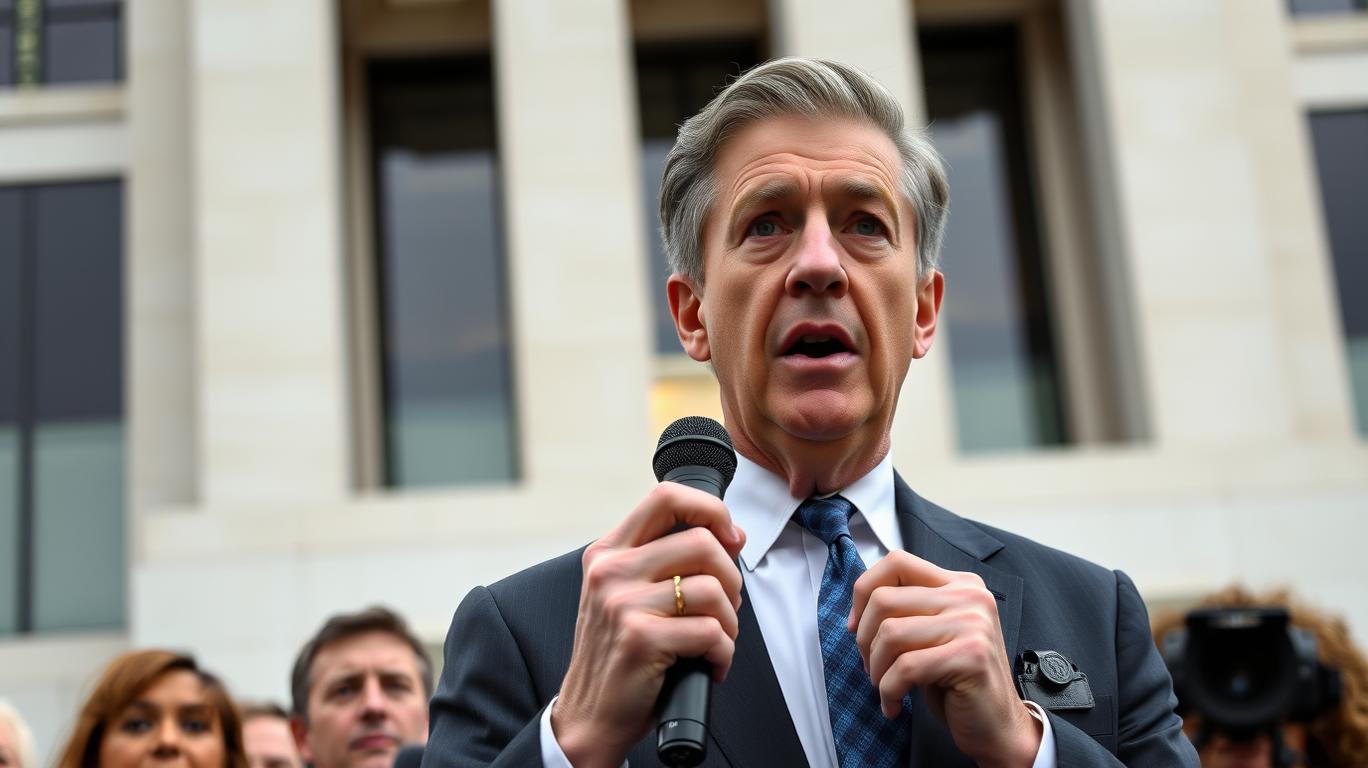
However, the political environment poses challenges for Powell. Trump has a history of clashing with Fed chairs, threatening to remove them, and criticizing their decisions. In 2018, Trump considered replacing Powell after the central bank raised interest rates. Powell must now balance the need to address economic conditions with the political pressure from Trump.
Powell will prioritize economic indicators like GDP growth, unemployment, and inflation to justify rate cuts. By focusing on these metrics, he can demonstrate that his decisions align with the Fed's mandate, despite political pressure from Trump. This approach allows Powell to maintain the Fed's independence while addressing economic concerns.
Powell's rate cuts could influence Trump's policies and the broader political landscape. Lower interest rates could reignite inflation, prompting the Fed to hike rates again. This might keep borrowing costs high, affecting consumers and businesses, and could impact Trump's approval ratings. Additionally, lower interest rates could make imports cheaper, affecting Trump's trade policies that aim to protect domestic industries.
In conclusion, Powell faces a balancing act between addressing economic conditions and managing political pressure from Trump. By cutting rates, Powell can demonstrate responsiveness to economic conditions without appearing overtly political. This approach allows him to placate Trump while prioritizing the Fed's mandate of ensuring maximum employment and stable prices. Powell's upcoming decisions will be heavily scrutinized due to Trump's long-standing criticism of the Fed's independence, but history shows that Fed chairs prioritize economic data over political pressure.
Word count: 600
Powell's recent rate cuts, despite Trump's criticism, suggest a politically neutral stance. In an interview, Powell confidently stated that he would not leave if Trump asked him to, signaling his commitment to the Fed's independence. The market's positive reaction to Powell's reappointment, despite Trump's threats, indicates investor confidence in the Fed's independence.
However, the political environment poses challenges for Powell. Trump has a history of clashing with Fed chairs, threatening to remove them, and criticizing their decisions. In 2018, Trump considered replacing Powell after the central bank raised interest rates. Powell must now balance the need to address economic conditions with the political pressure from Trump.
Powell will prioritize economic indicators like GDP growth, unemployment, and inflation to justify rate cuts. By focusing on these metrics, he can demonstrate that his decisions align with the Fed's mandate, despite political pressure from Trump. This approach allows Powell to maintain the Fed's independence while addressing economic concerns.
Powell's rate cuts could influence Trump's policies and the broader political landscape. Lower interest rates could reignite inflation, prompting the Fed to hike rates again. This might keep borrowing costs high, affecting consumers and businesses, and could impact Trump's approval ratings. Additionally, lower interest rates could make imports cheaper, affecting Trump's trade policies that aim to protect domestic industries.
In conclusion, Powell faces a balancing act between addressing economic conditions and managing political pressure from Trump. By cutting rates, Powell can demonstrate responsiveness to economic conditions without appearing overtly political. This approach allows him to placate Trump while prioritizing the Fed's mandate of ensuring maximum employment and stable prices. Powell's upcoming decisions will be heavily scrutinized due to Trump's long-standing criticism of the Fed's independence, but history shows that Fed chairs prioritize economic data over political pressure.
Word count: 600



Divulgación editorial y transparencia de la IA: Ainvest News utiliza tecnología avanzada de Modelos de Lenguaje Largo (LLM) para sintetizar y analizar datos de mercado en tiempo real. Para garantizar los más altos estándares de integridad, cada artículo se somete a un riguroso proceso de verificación con participación humana.
Mientras la IA asiste en el procesamiento de datos y la redacción inicial, un miembro editorial profesional de Ainvest revisa, verifica y aprueba de forma independiente todo el contenido para garantizar su precisión y cumplimiento con los estándares editoriales de Ainvest Fintech Inc. Esta supervisión humana está diseñada para mitigar las alucinaciones de la IA y garantizar el contexto financiero.
Advertencia sobre inversiones: Este contenido se proporciona únicamente con fines informativos y no constituye asesoramiento profesional de inversión, legal o financiero. Los mercados conllevan riesgos inherentes. Se recomienda a los usuarios que realicen una investigación independiente o consulten a un asesor financiero certificado antes de tomar cualquier decisión. Ainvest Fintech Inc. se exime de toda responsabilidad por las acciones tomadas con base en esta información. ¿Encontró un error? Reportar un problema


SOBRE NOSOTROS
Nuestra historiaAutores de noticiasBase de conocimientosPolítica de privacidadTérmino de usoDescargo de responsabilidad de corretaje de tercerosTérminos de uso de AIMEDivulgaciones de riesgos de AInvest AICarrerasCONTÁCTENOS
Email: support@ainvest.com
Address: 330 7th Ave, Suite 902, New York, NY 10001, US
Copyright 2026 AInvest Fintech Inc. All rights reserved.


Comentarios
Aún no hay comentarios