
Powell's 'I Believe' Not Enough to Calm Treasury Fears
Generado por agente de IAWesley Park
martes, 11 de febrero de 2025, 12:56 pm ET2 min de lectura
GRVY--
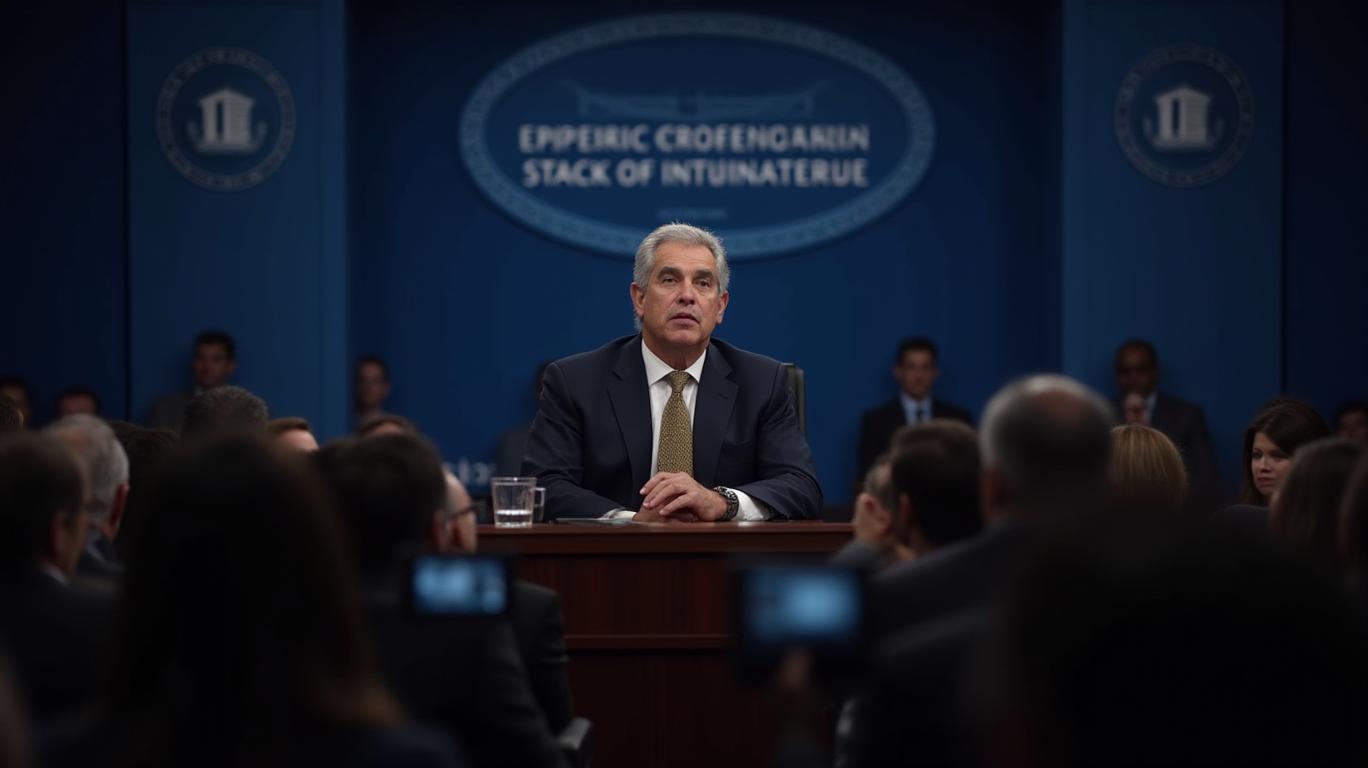
In a world where uncertainty reigns, investors crave clarity. Unfortunately, Federal Reserve Chair Jerome Powell's recent testimony before the Senate Banking Committee may have left more questions than answers regarding the safety of the U.S. Treasury payments system. When asked about the system's security, Powell responded, "I believe it is." While his confidence is reassuring, it's not enough to calm the growing concerns surrounding the potential risks.
The Treasury payments system is the lifeblood of the U.S. economy, processing trillions of dollars in payments annually. Any disruption or breach in this system could have catastrophic consequences, including economic instability, social unrest, and national security risks. Given the gravity of these potential outcomes, investors and the public deserve more than a simple "I believe" from the Fed Chair.
Powell's role as a fiscal agent for the Treasury Department does not grant him direct oversight or control over the security measures implemented by the Bureau of the Fiscal Service (BFS). However, his position as the head of the Federal Reserve System carries significant influence and responsibility. Investors and the public expect Powell to be proactive in addressing potential risks and ensuring the safety of the Treasury payments system.
To alleviate concerns, Powell should take the following steps:
1. Demand transparency: Powell should push for greater transparency from the Treasury Department and the BFS regarding the security measures in place to protect the payments system. This includes regular updates on the system's status and any potential vulnerabilities.
2. Conduct independent assessments: The Federal Reserve should conduct its own independent assessments of the Treasury payments system's security, in addition to the regular audits and risk assessments performed by the BFS. This would provide an additional layer of scrutiny and help ensure the system's integrity.
3. Collaborate with private sector experts: Powell should encourage collaboration between the Federal Reserve, the Treasury Department, and private sector cybersecurity experts. This could involve sharing best practices, resources, and expertise to strengthen the security of the payments system.
4. Develop contingency plans: In the event of a breach or disruption, Powell should work with the Treasury Department and other relevant agencies to develop and implement contingency plans. These plans should prioritize the swift and effective restoration of the payments system to minimize the impact on the U.S. economy and the public.
Powell's "I believe" may have been intended to reassure investors and the public, but it falls short of addressing the genuine concerns surrounding the Treasury payments system. As the head of the Federal Reserve, Powell has a responsibility to be proactive in ensuring the safety and security of the U.S. economy. By taking the steps outlined above, Powell can help restore confidence in the Treasury payments system and protect the interests of investors and the public.
In the meantime, investors should remain vigilant and monitor the situation closely. While Powell's reassurances may be well-intentioned, they are not enough to mitigate the risks associated with a potential breach or disruption in the Treasury payments system. By staying informed and taking appropriate precautions, investors can help protect their portfolios and ensure the stability of the U.S. economy.
In a world where uncertainty reigns, investors crave clarity. Unfortunately, Federal Reserve Chair Jerome Powell's recent testimony before the Senate Banking Committee may have left more questions than answers regarding the safety of the U.S. Treasury payments system. When asked about the system's security, Powell responded, "I believe it is." While his confidence is reassuring, it's not enough to calm the growing concerns surrounding the potential risks.
The Treasury payments system is the lifeblood of the U.S. economy, processing trillions of dollars in payments annually. Any disruption or breach in this system could have catastrophic consequences, including economic instability, social unrest, and national security risks. Given the gravity of these potential outcomes, investors and the public deserve more than a simple "I believe" from the Fed Chair.
Powell's role as a fiscal agent for the Treasury Department does not grant him direct oversight or control over the security measures implemented by the Bureau of the Fiscal Service (BFS). However, his position as the head of the Federal Reserve System carries significant influence and responsibility. Investors and the public expect Powell to be proactive in addressing potential risks and ensuring the safety of the Treasury payments system.
To alleviate concerns, Powell should take the following steps:
1. Demand transparency: Powell should push for greater transparency from the Treasury Department and the BFS regarding the security measures in place to protect the payments system. This includes regular updates on the system's status and any potential vulnerabilities.
2. Conduct independent assessments: The Federal Reserve should conduct its own independent assessments of the Treasury payments system's security, in addition to the regular audits and risk assessments performed by the BFS. This would provide an additional layer of scrutiny and help ensure the system's integrity.
3. Collaborate with private sector experts: Powell should encourage collaboration between the Federal Reserve, the Treasury Department, and private sector cybersecurity experts. This could involve sharing best practices, resources, and expertise to strengthen the security of the payments system.
4. Develop contingency plans: In the event of a breach or disruption, Powell should work with the Treasury Department and other relevant agencies to develop and implement contingency plans. These plans should prioritize the swift and effective restoration of the payments system to minimize the impact on the U.S. economy and the public.
Powell's "I believe" may have been intended to reassure investors and the public, but it falls short of addressing the genuine concerns surrounding the Treasury payments system. As the head of the Federal Reserve, Powell has a responsibility to be proactive in ensuring the safety and security of the U.S. economy. By taking the steps outlined above, Powell can help restore confidence in the Treasury payments system and protect the interests of investors and the public.
In the meantime, investors should remain vigilant and monitor the situation closely. While Powell's reassurances may be well-intentioned, they are not enough to mitigate the risks associated with a potential breach or disruption in the Treasury payments system. By staying informed and taking appropriate precautions, investors can help protect their portfolios and ensure the stability of the U.S. economy.

Divulgación editorial y transparencia de la IA: Ainvest News utiliza tecnología avanzada de Modelos de Lenguaje Largo (LLM) para sintetizar y analizar datos de mercado en tiempo real. Para garantizar los más altos estándares de integridad, cada artículo se somete a un riguroso proceso de verificación con participación humana.
Mientras la IA asiste en el procesamiento de datos y la redacción inicial, un miembro editorial profesional de Ainvest revisa, verifica y aprueba de forma independiente todo el contenido para garantizar su precisión y cumplimiento con los estándares editoriales de Ainvest Fintech Inc. Esta supervisión humana está diseñada para mitigar las alucinaciones de la IA y garantizar el contexto financiero.
Advertencia sobre inversiones: Este contenido se proporciona únicamente con fines informativos y no constituye asesoramiento profesional de inversión, legal o financiero. Los mercados conllevan riesgos inherentes. Se recomienda a los usuarios que realicen una investigación independiente o consulten a un asesor financiero certificado antes de tomar cualquier decisión. Ainvest Fintech Inc. se exime de toda responsabilidad por las acciones tomadas con base en esta información. ¿Encontró un error? Reportar un problema




Comentarios
Aún no hay comentarios