
Positioning for Tariff-Driven Inflation: Opportunities Amid the CPI Calm
The U.S. economy is currently experiencing a curious paradox: headline inflation has cooled to a 2.4% annual pace, yet the seeds of a resurgence are already planted. As tariffs escalate and global supply chains fray, investors face a critical question: How do you profit in an environment where inflation is both calming and brewing? The answer lies in sectors that can weather tariff-driven volatility while capitalizing on the Federal Reserve’s reluctance to cut rates before 2026. Let’s dissect the playbook for navigating this dual-edged market.

The CPI Calm: A False Sense of Security?
The March 2025 CPI report revealed a 2.4% annual inflation rate, the lowest since early 2021. Energy prices, down 3.3% year-over-year, and a moderation in core inflation (2.8%) have lulled many into complacency. But this calm is fragile. . The Fed’s projections, which anticipate a 2.8% PCE inflation rate by year-end, already bake in the delayed effects of tariffs.
The Tariff Effect: When Will the Heat Hit?
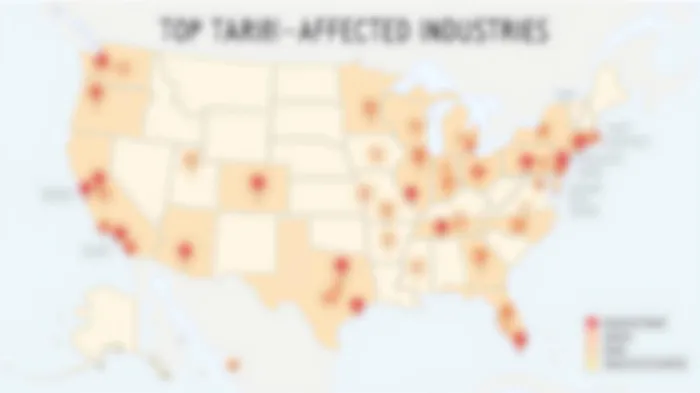
The April 2 tariff package—a 11.5% average tariff hike—will unleash its full impact in the coming quarters. While April’s CPI may show a modest 0.3% monthly rise, the true reckoning comes later. By Q3 2025, apparel prices could surge 17%, food costs 2.8%, and motor vehicle prices 8.4%, per The Budget Lab’s analysis. These sectors, heavily reliant on imported goods, are inflationary pressure points.
Fed’s Tightrope Walk: Rates and Timing
The Fed’s dilemma is clear: it cannot cut rates until it’s “confident inflation is sustainably at 2%.” With tariff-driven inflation set to spike in late 2025, the Fed’s next move is delayed until at least 2026. This creates a “sweet spot” for inflation-protected assets. . TIPS (Treasury Inflation-Protected Securities) and real estate investment trusts (REITs) now offer asymmetric upside as yields remain anchored.
Sector Strategies: Where to Bet Now
- Energy & Commodities:
- Oil & Gas: Companies like Chevron (CVX) and EOG Resources (EOG) benefit from geopolitical tensions and rising energy demand.
Metals: Tariffs on Chinese steel and aluminum have already inflated prices. Look to Freeport-McMoRan (FCX) or the Global X Copper ETF (COPX).
Inflation-Linked Bonds:
- TIPS are undervalued given their 2.1% yield versus the Fed’s 2.8% inflation target.
The iShares TIPS ETF (TIP) offers a 2.3% yield with principal protection against rising prices.
Equities with Pricing Power:
- Healthcare: Companies like Johnson & Johnson (JNJ) can pass costs to consumers.
- Utilities: Regulated firms like NextEra Energy (NEE) have stable cash flows and inflation-indexed rates.
Caution Zones: Sectors to Avoid
- Consumer Discretionary: Apparel retailers (e.g., Gap, GPC) and big-box stores (Walmart, WMT) face margin pressure as tariff costs hit.
- Import-Heavy Industries: Auto manufacturers reliant on foreign parts (e.g., Tesla’s (TSLA) China supply chain) could see profit squeezes.
- Tech: Semiconductor firms (e.g., AMD, INTC) with global supply chains may struggle with tariff-driven input costs.
Conclusion: Act Now—Before the Tariff Wave Crashes
The Fed’s delayed rate cuts and tariff-driven inflation create a clear path: rotate into sectors that benefit from rising prices while avoiding those that can’t shield margins. Energy, TIPS, and utilities offer both growth and inflation hedges. Consumer discretionary and import-heavy stocks, meanwhile, are sitting ducks.
Investors who wait for the CPI to “officially” spike will miss the window. The calm is a mirage—act now, or risk being swept away.
.
The time to position for tariff-driven inflation is now.





Comentarios
Aún no hay comentarios