
Portugal's Novo Banco IPO: A Strategic Move for Lone Star and the Portuguese Banking Sector
Generado por agente de IAHarrison Brooks
viernes, 31 de enero de 2025, 11:20 am ET1 min de lectura
BBAR--
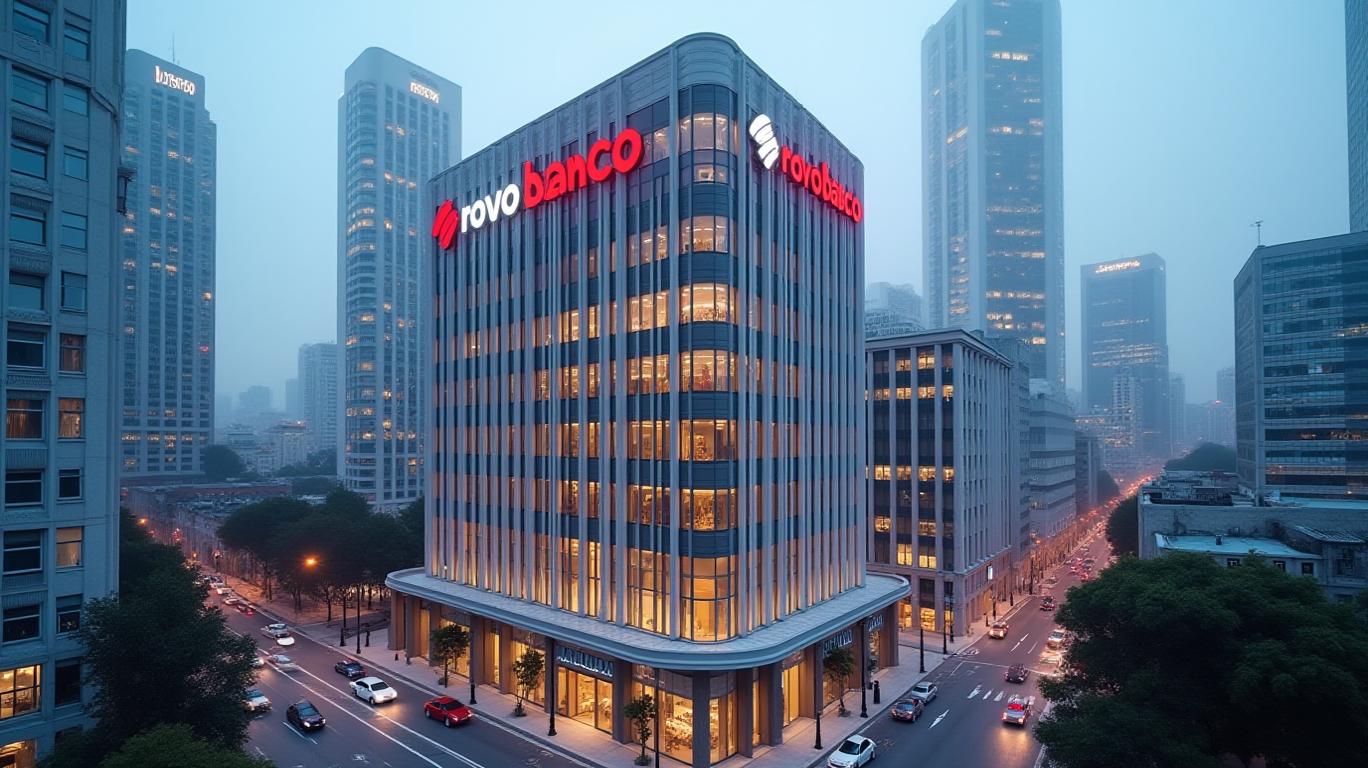
Portugal's fourth-largest bank, Novo Banco, is set to undergo a significant transformation as its majority owner, U.S. private equity fund Lone Star, plans to offer a 25-30% stake in the bank through an initial public offering (IPO). This strategic move, announced by Finance Minister Joaquim Miranda Sarmento, is expected to have a substantial impact on the bank's valuation and the broader Portuguese banking sector.
The decision to opt for an IPO over a full sale is influenced by several factors, including the current market conditions, the bank's improved financial health, and the potential for future growth. Novo Banco's balance sheet has significantly improved since Mark Bourke, the former AIB CFO, joined the bank in 2018. Non-performing loans (NPLs) have fallen to 5% of total loans as of September 2024, down from over 20% in March 2019. This improvement in the bank's financial health makes it more attractive for an IPO.
Moreover, the lifting of the dividend ban by the European Central Bank (ECB) has paved the way for Lone Star's decision to proceed with an IPO. The bank is expected to distribute around 1.3 billion euros ($1.34 billion) in dividends to shareholders, with the state as a whole (resolution fund and the Treasury) set to receive more than 300 million euros in April or May. This distribution of excess capital will help to reduce the bank's overcapitalization and make its capital structure more efficient.
The proposed 25-30% stake IPO is expected to have several implications for the valuation of Novo Banco and the Portuguese banking sector as a whole. The IPO could help determine the market's valuation of the bank, which is currently estimated to be around 5 billion euros ($5.2 billion) by sources familiar with the matter. The IPO could also provide an opportunity for investors to enter the Portuguese banking sector at a potentially attractive valuation, given the bank's solid fundamentals and growth prospects.
However, investors should also consider the risks associated with the banking sector, such as interest rate fluctuations, economic downturns, and regulatory changes. The IPO could also lead to further consolidation in the Portuguese banking sector, as other banks might consider acquiring the remaining stake in Novo Banco or other banks to improve their market position and competitiveness.
In conclusion, the proposed 25-30% stake IPO of Novo Banco is a strategic move by Lone Star that could help the bank maintain its competitive position in the Portuguese banking market and support its future growth trajectory. The IPO could also have significant implications for the bank's valuation, potential investors, and the broader Portuguese banking sector. However, investors and the sector should also be aware of the risks and challenges associated with the banking sector and the IPO process.
Portugal's fourth-largest bank, Novo Banco, is set to undergo a significant transformation as its majority owner, U.S. private equity fund Lone Star, plans to offer a 25-30% stake in the bank through an initial public offering (IPO). This strategic move, announced by Finance Minister Joaquim Miranda Sarmento, is expected to have a substantial impact on the bank's valuation and the broader Portuguese banking sector.
The decision to opt for an IPO over a full sale is influenced by several factors, including the current market conditions, the bank's improved financial health, and the potential for future growth. Novo Banco's balance sheet has significantly improved since Mark Bourke, the former AIB CFO, joined the bank in 2018. Non-performing loans (NPLs) have fallen to 5% of total loans as of September 2024, down from over 20% in March 2019. This improvement in the bank's financial health makes it more attractive for an IPO.
Moreover, the lifting of the dividend ban by the European Central Bank (ECB) has paved the way for Lone Star's decision to proceed with an IPO. The bank is expected to distribute around 1.3 billion euros ($1.34 billion) in dividends to shareholders, with the state as a whole (resolution fund and the Treasury) set to receive more than 300 million euros in April or May. This distribution of excess capital will help to reduce the bank's overcapitalization and make its capital structure more efficient.
The proposed 25-30% stake IPO is expected to have several implications for the valuation of Novo Banco and the Portuguese banking sector as a whole. The IPO could help determine the market's valuation of the bank, which is currently estimated to be around 5 billion euros ($5.2 billion) by sources familiar with the matter. The IPO could also provide an opportunity for investors to enter the Portuguese banking sector at a potentially attractive valuation, given the bank's solid fundamentals and growth prospects.
However, investors should also consider the risks associated with the banking sector, such as interest rate fluctuations, economic downturns, and regulatory changes. The IPO could also lead to further consolidation in the Portuguese banking sector, as other banks might consider acquiring the remaining stake in Novo Banco or other banks to improve their market position and competitiveness.
In conclusion, the proposed 25-30% stake IPO of Novo Banco is a strategic move by Lone Star that could help the bank maintain its competitive position in the Portuguese banking market and support its future growth trajectory. The IPO could also have significant implications for the bank's valuation, potential investors, and the broader Portuguese banking sector. However, investors and the sector should also be aware of the risks and challenges associated with the banking sector and the IPO process.

Divulgación editorial y transparencia de la IA: Ainvest News utiliza tecnología avanzada de Modelos de Lenguaje Largo (LLM) para sintetizar y analizar datos de mercado en tiempo real. Para garantizar los más altos estándares de integridad, cada artículo se somete a un riguroso proceso de verificación con participación humana.
Mientras la IA asiste en el procesamiento de datos y la redacción inicial, un miembro editorial profesional de Ainvest revisa, verifica y aprueba de forma independiente todo el contenido para garantizar su precisión y cumplimiento con los estándares editoriales de Ainvest Fintech Inc. Esta supervisión humana está diseñada para mitigar las alucinaciones de la IA y garantizar el contexto financiero.
Advertencia sobre inversiones: Este contenido se proporciona únicamente con fines informativos y no constituye asesoramiento profesional de inversión, legal o financiero. Los mercados conllevan riesgos inherentes. Se recomienda a los usuarios que realicen una investigación independiente o consulten a un asesor financiero certificado antes de tomar cualquier decisión. Ainvest Fintech Inc. se exime de toda responsabilidad por las acciones tomadas con base en esta información. ¿Encontró un error? Reportar un problema


SOBRE NOSOTROS
Nuestra historiaAutores de noticiasBase de conocimientosPolítica de privacidadTérmino de usoDescargo de responsabilidad de corretaje de tercerosTérminos de uso de AIMEDivulgaciones de riesgos de AInvest AICarrerasCONTÁCTENOS
Email: support@ainvest.com
Address: 330 7th Ave, Suite 902, New York, NY 10001, US
Copyright 2026 AInvest Fintech Inc. All rights reserved.


Comentarios
Aún no hay comentarios