
Portfolio Resilience in the Shadow of U.S. Government Shutdowns: Navigating Political Fragmentation
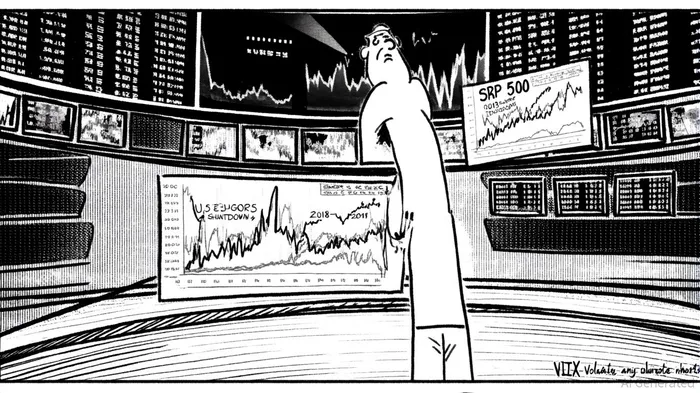
In an era of heightened political polarization, U.S. government shutdowns remain a persistent risk to economic stability and investor confidence. While these events are often short-lived, their ripple effects across sectors and asset classes demand a nuanced approach to portfolio resilience. Historical data reveals a complex interplay between political dysfunction and market dynamics, offering critical lessons for investors navigating a fragmented political landscape.
Historical Economic Impacts: A Baseline for Analysis
Government shutdowns have varied in duration and economic toll. The 35-day 2018–2019 shutdown, triggered by a dispute over border wall funding, furloughed 800,000 federal workers and cost the economy an estimated $3 billion, or 0.02% of GDP[1]. In contrast, the 16-day 2013 shutdown—rooted in Republican opposition to the Affordable Care Act—resulted in a $24 billion economic loss and a 0.6% GDP contraction[4]. These disparities underscore how the scope of a shutdown—whether limited to specific agencies or widespread—shapes its economic footprint.
Sectoral impacts are equally varied. During the 2018–2019 shutdown, national parks lost $1.2 million daily in revenue, while the Transportation Security Administration (TSA) faced staffing crises[1]. Meanwhile, small businesses reliant on the Small Business Administration (SBA) and Securities and Exchange Commission (SEC) faced delayed loans and IPOs. Such disruptions highlight the vulnerability of industries tied to federal operations, even as broader markets exhibit mixed responses.
Sectoral Stock Market Performance: Volatility and Asymmetry
Equity markets have historically shown resilience during shutdowns, though sectoral performance diverges sharply. The S&P 500 has risen in 50% of shutdown periods since 1976[5], but volatility spikes are common. For instance, the 2013 shutdown saw the VIX surge by 6.2%, reflecting investor anxiety[2]. Conversely, the 2018–2019 shutdown coincided with a 10.3% gain in the S&P 500, buoyed by Federal Reserve dovishness[2].
Sector-specific trends reveal strategic opportunities. Defense and aerospace firms like Lockheed Martin (LMT) and Northrop Grumman (NOC) often underperform due to reliance on federal contracts[2]. Conversely, utilities and consumer staples—represented by companies like Duke Energy (DUK) and Procter & Gamble (PG)—tend to outperform, as they cater to essential demand[2]. Healthcare and consumer discretionary sectors face mixed outcomes, with delayed FDA approvals and reduced government employee spending creating headwinds[5].
Asset Class Resilience: Bonds, Commodities, and Real Estate
While equities dominate the narrative, non-equity assets offer critical diversification benefits. U.S. Treasury bonds, though not immune to volatility, often act as safe havens during shutdowns. For example, the 2018–2019 shutdown saw Treasury yields fluctuate amid uncertainty, but the government's continued payment of interest obligations preserved investor trust[6]. Historically, bonds have averaged 4.5% annual returns over 40 years[7], suggesting their role in stabilizing portfolios during political turmoil.
Real estate and commodities present a more ambiguous picture. Real estate transactions can falter if agencies like the National Flood Insurance Program (NFIP) halt operations, disrupting home sales in flood-prone areas[8]. However, long-term real estate returns of 4.23%[7] suggest that short-term disruptions rarely derail broader trends. Commodities, including gold, historically average 5.12% annual returns[7], but their performance during shutdowns is less predictable. While gold may see temporary demand as a hedge, shutdowns rarely trigger the systemic crises that typically drive commodity surges.
Portfolio Strategies for a Politically Fragmented Environment
Building resilience requires a multi-layered approach:
1. Sector Diversification: Overweight utilities and consumer staples while underweighting defense and government-contract reliant sectors.
2. Safe-Haven Allocation: Maintain a core position in Treasuries and gold to hedge against volatility.
3. Liquidity Buffers: Ensure sufficient cash reserves to capitalize on market dislocations, as seen during the 2013 shutdown's VIX spike[2].
4. Fed Policy Awareness: Monitor central bank interventions, as dovish policies (e.g., 2018–2019) can mitigate market declines[2].
Critically, investors must avoid overreacting to short-term noise. As Vanguard notes, shutdowns rarely alter long-term economic trajectories[5], and markets often rebound swiftly if resolutions are near. For instance, the S&P 500 typically gains 18.9% in the 12 months following a shutdown[3].
Conclusion
U.S. government shutdowns are a testament to the fragility of political consensus, but their economic and market impacts are neither uniform nor insurmountable. By leveraging historical insights—such as sectoral asymmetries, bond resilience, and the Fed's stabilizing role—investors can craft portfolios that thrive amid uncertainty. In a politically fragmented environment, the key to resilience lies not in predicting shutdowns, but in preparing for their inevitable ripple effects.







Comentarios
Aún no hay comentarios