
The Port War: How U.S. Levies Threaten to Upend Global Shipping and Investor Portfolios
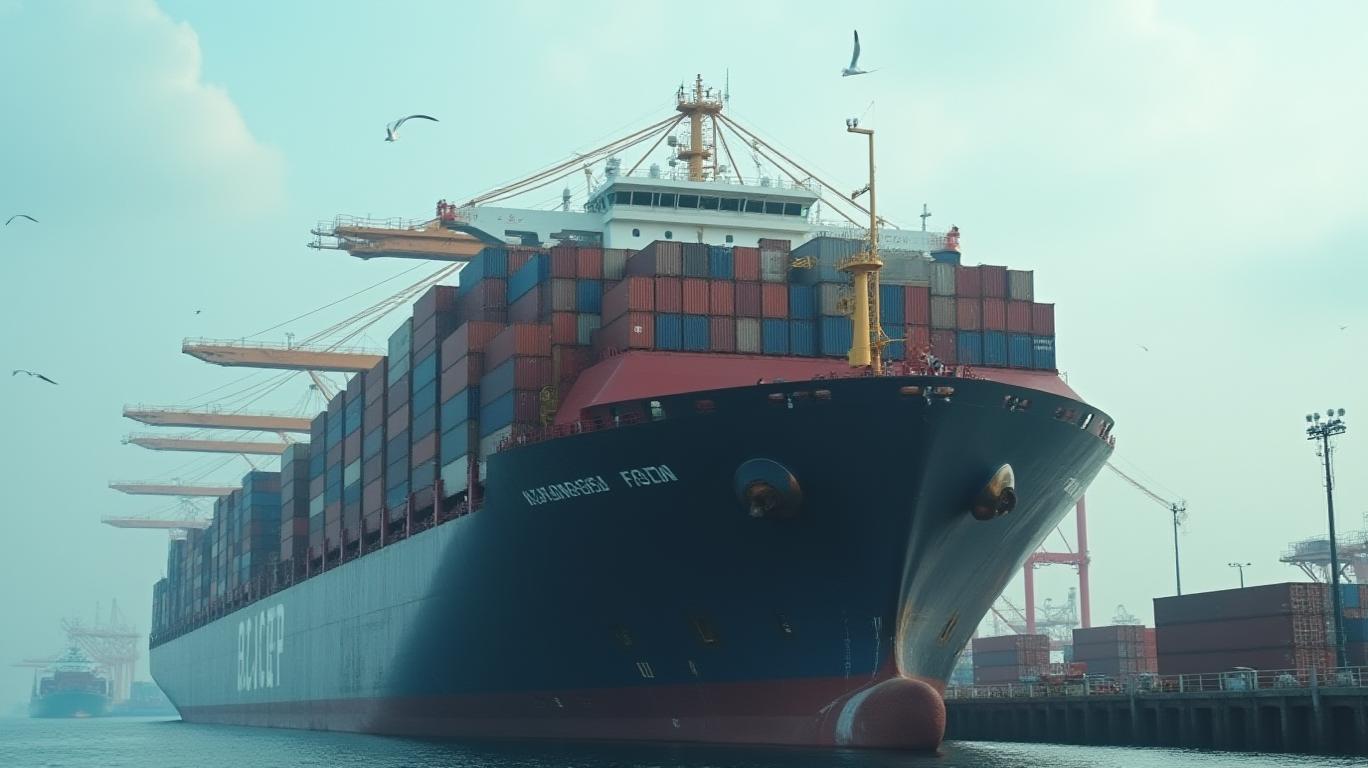
The U.S. levies targeting Chinese-built and operated vessels, including those owned by COSCO Shipping, have ignited a firestorm in global shipping markets. These tariffs, part of a phased strategy to curb China’s maritime dominance, risk destabilizing supply chains, inflating costs, and reshaping the economic calculus for investors.
The U.S. Port Fee Playbook: A Phased Attack on Chinese Shipping
The U.S. Trade Representative’s (USTR) levies, set to escalate over the next four years, are no minor inconvenience. Starting at $50 per net ton in October 2025 for Chinese-owned vessels, fees will climb to $140 per ton by 2028. Non-Chinese operators using Chinese-built ships face penalties of $18 per ton initially, rising to $33 per ton by 2028. The rules apply per voyage, capped at five charges annually, and exempt bulk exports and voyages to the Great Lakes or Caribbean.
While the phased approach aims to soften immediate blows, the long-term consequences are stark. Analysts estimate these fees could add $600–$800 per container to U.S. exports, doubling costs for sectors like agricultureANSC-- and chemicals. For COSCO, which made a 70% year-on-year surge in Q1 2025 net profit to $1.6 billion, the financial hit is manageable—for now. But as fees escalate, operational flexibility could erode.
COSCO’s Warning: A Perfect Storm for Global Trade
COSCO has been unequivocal in its opposition. In a statement, the company called the levies a “threat to global supply chain stability,” arguing they distort fair competition and risk undermining trade security. The firm’s concerns are backed by hard data:
- Cost Inflation: The World Shipping Council estimates fees could raise shipping costs by up to 30–70% for specialized sectors like chemical tankers, pricing U.S. exporters out of global markets.
- Route Disruptions: Smaller U.S. ports like Oakland and Tampa may lose traffic as carriers reroute to major hubs, exacerbating congestion. Analysts predict a 30% surge in container traffic at Canadian ports like Halifax and Vancouver.
- Geopolitical Fallout: The U.S.-China trade war is escalating. With Beijing retaliating with 125% tariffs on U.S. goods, the risk of a full-scale trade war looms.
Why Investors Should Be Watching
For investors, the stakes are twofold: sector-specific risks and geopolitical volatility.
- Shipping Stocks Under Pressure:
- COSCO’s shares (1919.HK) have dipped 12% year-to-date as fears of rerouting and rising costs linger.
Competitors like Maersk (MAERSK-B.ST) and CMA CGM (CMGP.PA) may benefit from rerouted traffic but face their own challenges in absorbing capacity.
Supply Chain Costs:
U.S. consumers could see inflationary pressures as retailers pass on higher shipping costs. The USTR’s own analysis warns of a potential $30 billion annual hit to the economy.
U.S. Shipbuilding: A Mirage?
- The U.S. shipbuilding industry’s capacity is laughably small—producing just 0.1% of global ships versus China’s 75–80% share. Even with subsidies, rebuilding this sector could take decades.
The Bottom Line: A High-Risk Gamble for Global Investors
The U.S. levies are a geopolitical gambit with profound economic consequences. While they aim to weaken China’s maritime clout, the collateral damage to global trade is undeniable. Investors in shipping, agriculture, and manufacturing must prepare for volatility:
- Short-Term: Look for sector rotation into U.S.-flagged carriers or infrastructure plays (e.g., Canadian ports).
- Long-Term: Monitor COSCO’s resilience—its fleet of over 1,154 vessels and 70% earnings growth suggest operational strength, but escalating fees could test margins.
The writing is on the wall: this “port war” isn’t just about ships. It’s about who controls the arteries of global trade—and the financial stakes are higher than ever.
Conclusion
The U.S.-China shipping clash is a high-stakes game with no clear winner. While the levies may curb China’s dominance in the short term, the costs to global supply chains and investor portfolios are already mounting. With COSCO’s profits rising despite the headwinds and competitors like Maersk poised to capitalize on rerouted traffic, investors must balance sector exposure with geopolitical risk. The data is clear: this isn’t just about tariffs—it’s about the future of trade itself.







Comentarios
Aún no hay comentarios