
The Port of Opportunity: How to Play the Tariff Truce
Buckle up, investors! The U.S.-China tariff truce is here, and it's a game-changer for logistics and ports. With a 90-day pause on most tariffs effective May 14, 2025, we're staring at a golden window to profit from cargo volume volatility and infrastructure resilience. Let's dive into the chaos—and the opportunities.
The Tariff Truce: A Volatile Breathing Room
The 90-day pause slashes U.S. tariffs on Chinese goods from 125% to 10%, while China reciprocates. But here's the catch: this truce expires August 12, and both sides could re-escalate duties. This creates a “buy the dip, sell the rally” scenario for ports and logistics.
The Port of Los Angeles—a linchpin of global trade—is ground zero. In April, it saw a 9.4% surge in cargo to 843,000 TEUs as importers front-loaded shipments to beat the pre-truce tariffs. But once the tariffs hit in May, volumes cratered by 35%, with 17 sailings canceled.
Now, here's where it gets interesting: port executives like Gene Seroka warn that June-July volumes will remain at 70-80% of normal levels, but with a gradual rebound. This is your chance to bet on resilient infrastructure plays before the next tariff storm.
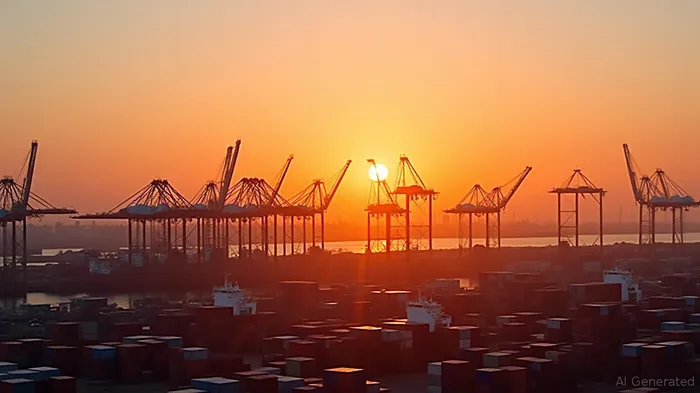
Contrarian Play #1: Ports with Infrastructure Muscle
The Port of Los Angeles is doubling down on resilience with a $230 million infrastructure blitz. This includes tech upgrades, workforce training, and smarter container management. The American Society of Civil Engineers just gave U.S. ports a B grade—up from a B-—thanks to federal funding boosts.
Key Takeaway: Ports with cash reserves and modernization plans (like LA's) are insulated from short-term dips. Look to invest in port operators and logistics firms like A.P. Moller-Maersk (MAERSK) or C.H. Robinson (CHRW), which dominate supply chain tech and global routes.
Contrarian Play #2: Avoid the “Export Woes” Trap
While imports might rebound modestly, exports are collapsing. April marked the fifth straight month of export declines at Los Angeles, with tariffs on U.S. goods hitting 10% in China. This hurts sectors like agriculture, manufacturing, and tech.
Avoid overexposure to export-heavy stocks, like grain producers or semiconductor manufacturers. The tariff truce isn't a fix—it's a stopgap.
The Real Prize: Supply Chain Adaptation
The truce forces companies to diversify sourcing (e.g., “China-plus-2” strategies) and invest in domestic manufacturing. Ports like Los Angeles are already winners here: their deep-water terminals and rail links make them ideal hubs for rerouted cargo from East Coast ports.
Meanwhile, logistics firms with flexible networks—like XPO Logistics (XPO) or C.H. Robinson—are capitalizing on rerouting freight and managing empty container backlogs. These stocks could thrive in this “managed growth” environment.
Caution: The Tariff Clock is Ticking
Remember, this truce lasts just 90 days. If talks fail by August 12, tariffs could jump back to 34%, triggering another crash. Investors must stay nimble:
- Buy ports and logistics now, but set exit strategies for August.
- Avoid export-heavy stocks until trade terms stabilize.
- Focus on companies with diversified supply chains and tech-driven efficiency.
Final Warning: Don't Get Sucked into the Panic
The May cargo crash spooked traders, but this is a setup for contrarians. Ports like Los Angeles are engineering resilience through infrastructure, and tariffs won't erase globalization—they'll just re-route it.
The clock is ticking—act now before the next tariff wave hits.
Bottom Line: This is a “buy low, hold steady” moment. Ports and logistics are the unsung heroes of the trade war—back them now, and ride the rebound.
This is not financial advice. Consult a professional before investing.







Comentarios
Aún no hay comentarios