
Port Hedland Iron Ore Shipments Surge 13.7% in May 2025
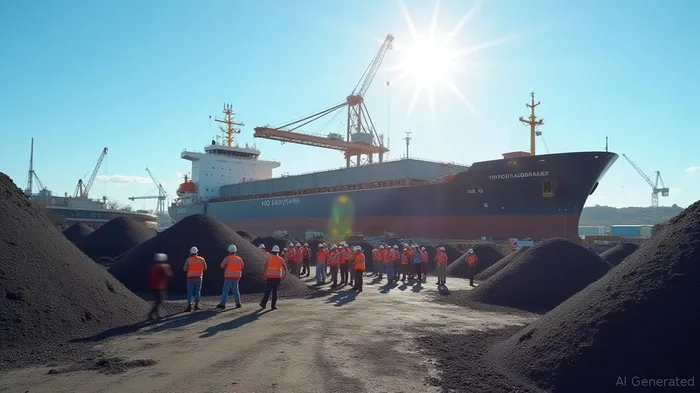
Australia’s Port Hedland, the largest iron ore export hub in the country, recorded its busiest May on record for iron ore shipments. The port handled 53.1 million tons of iron ore in May 2025, marking a 13.7% increase from the previous month. This surge in activity has positioned Port Hedland as a critical player in the global iron ore market, underscoring its significance in Australia's export economy.
The substantial increase in iron ore shipments from Port Hedland can be attributed to several factors. Firstly, the robust demand for iron ore from key markets, particularly China, has driven the need for increased exports. China, the world's largest consumer of iron ore, has been ramping up its steel production to support infrastructure development and economic growth. This heightened demand has necessitated a corresponding increase in iron ore supply, with Port Hedland playing a pivotal role in meeting this demand.
Secondly, the efficiency and capacity of Port Hedland's infrastructure have been instrumental in handling the increased volume of shipments. The port's advanced logistics and transportation systems, along with its strategic location, have enabled it to manage the surge in exports effectively. This operational efficiency has not only facilitated the smooth handling of iron ore but also ensured that the port remains competitive in the global market.
The record-breaking May for iron ore shipments at Port Hedland has significant implications for the Australian economy. Iron ore is one of Australia's most valuable exports, contributing substantially to the country's GDP and employment. The increased shipments from Port Hedland are likely to bolster Australia's export earnings, providing a much-needed boost to the economy. Furthermore, the heightened activity at the port is expected to create job opportunities and stimulate economic growth in the region.
However, the surge in iron ore shipments also presents challenges. The increased demand for iron ore may lead to supply constraints, as miners strive to meet the growing requirements. Additionally, the environmental impact of heightened mining and shipping activities cannot be overlooked. It is crucial for stakeholders to balance economic gains with sustainable practices to ensure long-term viability.
In early 2025, Port Hedland faced Cyclone Zelia, a strong Category 4 tropical storm. The Bureau of Meteorology stated that wind gusts reached up to 290 kilometers per hour, with the potential to escalate to Category 5. Due to dangerous conditions, the port was temporarily closed, and ships were removed from the shore. These safety measures and harsh weather limited exports during the year’s initial months.
Despite the earlier disruptions by record weather conditions that temporarily halted port operations, shipments up to mid-year totaled 233.4 million tons—the highest since 2010. This achievement underscores the resilience and efficiency of Port Hedland's operations, even in the face of adverse weather conditions.
Port Hedland is essential for the export of iron ore by Australia to China. Leading firms like BHP GroupBHP-- and Fortescue Ltd. rely on this route for transit. The Australian government projects that 2025 iron ore exports could reach 908 million tons in total. It also expects a decline in export value because of weakening global market prices. This suggests revenues may fall despite higher physical shipment volumes from producers.
Brazil, the second-largest exporter, also saw increased shipments—35.1 million tons in May. More supply from several sources has led to saturation in the international iron ore market. On Singapore’s exchange, iron ore futures fell 0.4% to $93.40 per ton in mid-June. Over 12 months, prices have declined by roughly 9%, indicating oversupply or softening demand.
Australia’s Iron Ore growth is tied to rising energy use in mining, transportation, and related logistics operations. Processing and shipping more ore boosts electricity and fuel consumption across these industrial sectors. These changes may influence national energy demand and drive shifts in regional energy pricing. If infrastructure expands further, these energy trends may intensify across Australia and global partnersGLP--.
The connection between Australia’s iron ore sector and cryptocurrencies is receiving increasing market attention. Some investors now view cryptocurrencies as a financial hedge against unstable commodity price movements. As volumes rise and prices fluctuate, commodity-crypto relationships are becoming more noticeable and relevant. This link shows how financial strategies are shifting to address volatility across different asset types.





Comentarios
Aún no hay comentarios