
US Port Fees on China Vessels: CMA CGM Warns of Industry-Wide Impact
Generado por agente de IACyrus Cole
viernes, 28 de febrero de 2025, 11:44 am ET1 min de lectura
CMA--
The Office of the United States Trade Representative (USTR) has proposed hefty port fees on Chinese-built and -operated ships, a move that could have significant implications for the global shipping industry. CMACMA-- CGM, one of the world's largest container shipping companies, has warned that these fees would affect all shipping firms, not just those with Chinese ties.
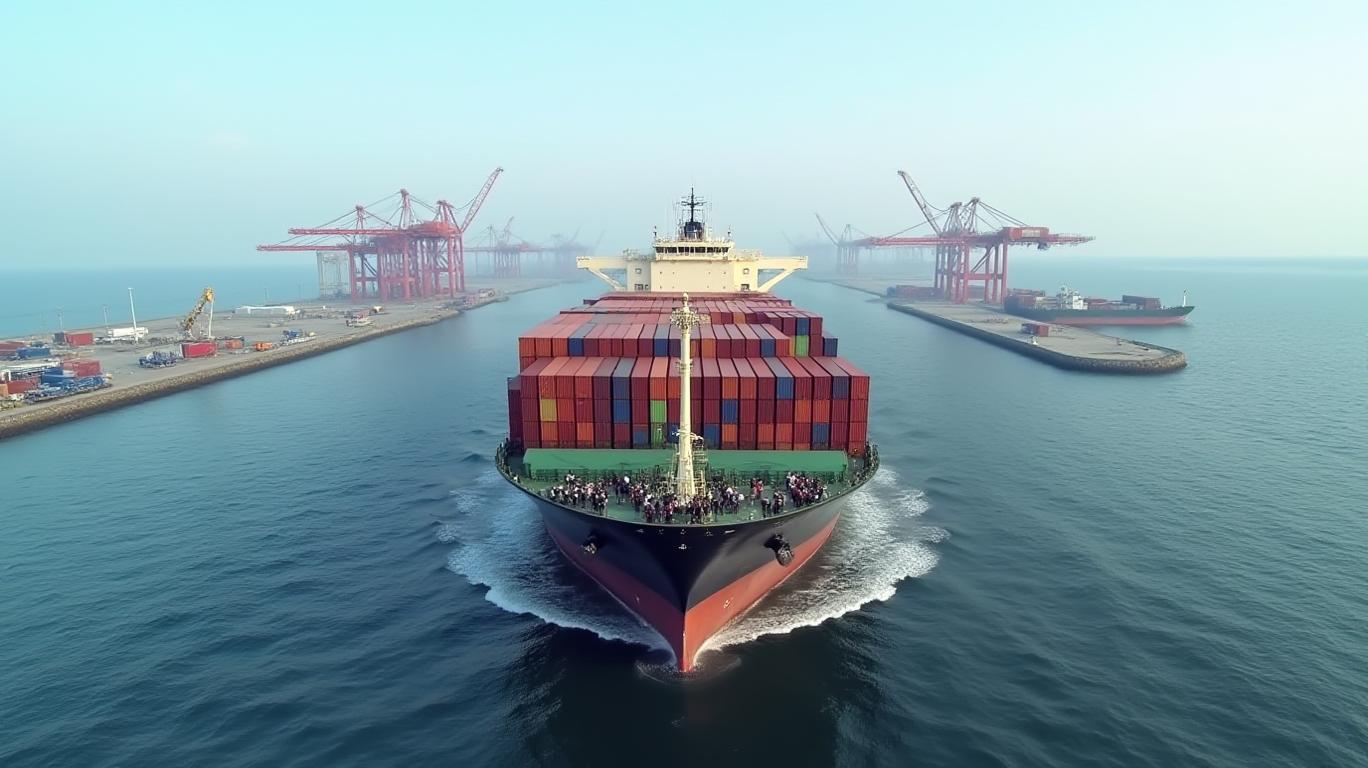
The proposed fees, which could reach up to $1.5 million per call, aim to address concerns related to trade imbalances, national security, and economic competition. However, CMA CGM and other industry experts have raised concerns about the potential unintended consequences of these measures.
According to VesselBot, a maritime data and analytics platform, major container shipping lines could face substantial annual fee exposure under the proposed USTR plan. For instance, Maersk could face approximately $760,000 per port call for Chinese-built vessels, with a total of 2,020 annual U.S. port calls. CMA CGM, with 1,469 annual U.S. port calls and 35.91% Chinese-built vessels, could face similar exposure. COSCO, with 838 annual U.S. port calls and 52.19% Chinese-built vessels, could be subject to fees up to $1 million per port call, as both a Chinese operator and for Chinese-built vessels.
CMA CGM has warned that these fees could lead to increased costs for U.S. importers and exporters, as carriers may pass on the additional expenses through surcharges or restructuring services. This could, in turn, impact consumer prices and the broader economy.
Moreover, the proposed fees could lead to shifts in global shipping patterns, with carriers rerouting cargo to alternative ports or consolidating U.S. port calls to minimize fee exposure. This could result in increased congestion and delays at U.S. ports, as well as potential retaliation from China.
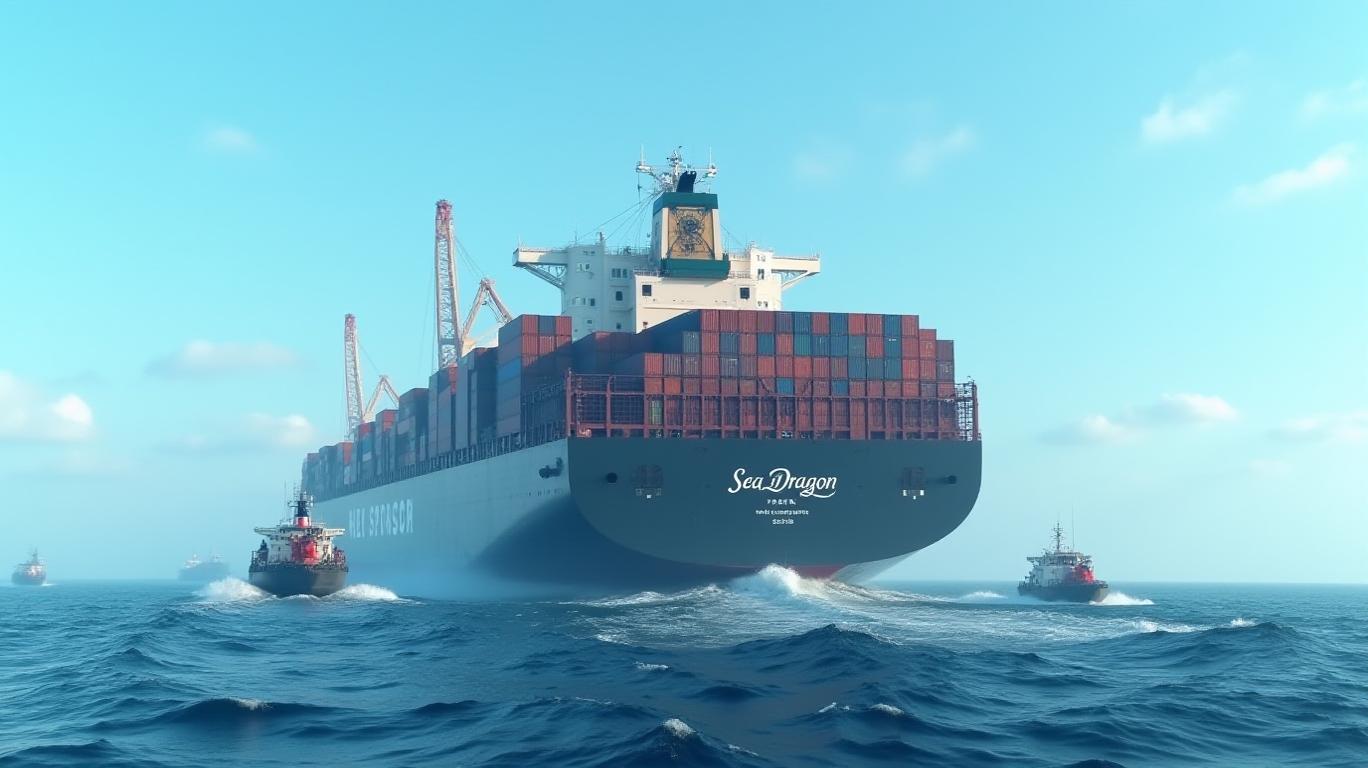
In response to the proposed fees, CMA CGM has called for a balanced approach that addresses the concerns of all stakeholders in the global shipping industry. The company has urged the USTR to consider the potential impacts on U.S. consumers, businesses, and the broader economy before implementing these measures.
As the situation continues to evolve, the global shipping industry will be closely watching the USTR's decision on the proposed port fees. The potential impacts on major container shipping lines, consumer prices, and the broader economy highlight the need for a thoughtful and well-considered approach to addressing the complex challenges in the global maritime trade landscape.
The Office of the United States Trade Representative (USTR) has proposed hefty port fees on Chinese-built and -operated ships, a move that could have significant implications for the global shipping industry. CMACMA-- CGM, one of the world's largest container shipping companies, has warned that these fees would affect all shipping firms, not just those with Chinese ties.
The proposed fees, which could reach up to $1.5 million per call, aim to address concerns related to trade imbalances, national security, and economic competition. However, CMA CGM and other industry experts have raised concerns about the potential unintended consequences of these measures.
According to VesselBot, a maritime data and analytics platform, major container shipping lines could face substantial annual fee exposure under the proposed USTR plan. For instance, Maersk could face approximately $760,000 per port call for Chinese-built vessels, with a total of 2,020 annual U.S. port calls. CMA CGM, with 1,469 annual U.S. port calls and 35.91% Chinese-built vessels, could face similar exposure. COSCO, with 838 annual U.S. port calls and 52.19% Chinese-built vessels, could be subject to fees up to $1 million per port call, as both a Chinese operator and for Chinese-built vessels.
CMA CGM has warned that these fees could lead to increased costs for U.S. importers and exporters, as carriers may pass on the additional expenses through surcharges or restructuring services. This could, in turn, impact consumer prices and the broader economy.
Moreover, the proposed fees could lead to shifts in global shipping patterns, with carriers rerouting cargo to alternative ports or consolidating U.S. port calls to minimize fee exposure. This could result in increased congestion and delays at U.S. ports, as well as potential retaliation from China.
In response to the proposed fees, CMA CGM has called for a balanced approach that addresses the concerns of all stakeholders in the global shipping industry. The company has urged the USTR to consider the potential impacts on U.S. consumers, businesses, and the broader economy before implementing these measures.
As the situation continues to evolve, the global shipping industry will be closely watching the USTR's decision on the proposed port fees. The potential impacts on major container shipping lines, consumer prices, and the broader economy highlight the need for a thoughtful and well-considered approach to addressing the complex challenges in the global maritime trade landscape.

Divulgación editorial y transparencia de la IA: Ainvest News utiliza tecnología avanzada de Modelos de Lenguaje Largo (LLM) para sintetizar y analizar datos de mercado en tiempo real. Para garantizar los más altos estándares de integridad, cada artículo se somete a un riguroso proceso de verificación con participación humana.
Mientras la IA asiste en el procesamiento de datos y la redacción inicial, un miembro editorial profesional de Ainvest revisa, verifica y aprueba de forma independiente todo el contenido para garantizar su precisión y cumplimiento con los estándares editoriales de Ainvest Fintech Inc. Esta supervisión humana está diseñada para mitigar las alucinaciones de la IA y garantizar el contexto financiero.
Advertencia sobre inversiones: Este contenido se proporciona únicamente con fines informativos y no constituye asesoramiento profesional de inversión, legal o financiero. Los mercados conllevan riesgos inherentes. Se recomienda a los usuarios que realicen una investigación independiente o consulten a un asesor financiero certificado antes de tomar cualquier decisión. Ainvest Fintech Inc. se exime de toda responsabilidad por las acciones tomadas con base en esta información. ¿Encontró un error? Reportar un problema


SOBRE NOSOTROS
Nuestra historiaAutores de noticiasBase de conocimientosPolítica de privacidadTérmino de usoDescargo de responsabilidad de corretaje de tercerosTérminos de uso de AIMEDivulgaciones de riesgos de AInvest AICarrerasCONTÁCTENOS
Email: support@ainvest.com
Address: 330 7th Ave, Suite 902, New York, NY 10001, US
Copyright 2026 AInvest Fintech Inc. All rights reserved.


Comentarios
Aún no hay comentarios