
Porsche, BMW Need Germany Pivot for Way Out of Crisis
Generado por agente de IAHarrison Brooks
miércoles, 19 de febrero de 2025, 1:33 am ET1 min de lectura
TSLA--
The German automotive industry, once the envy of the world, is now facing a perfect storm of challenges. With sales declining and production costs soaring, the transition to electric vehicles (EVs) has become a matter of survival for companies like Porsche and BMW. As the global market shifts towards sustainability, these iconic brands must adapt their strategies to remain competitive. The German government has a crucial role to play in supporting this transition and fostering innovation.
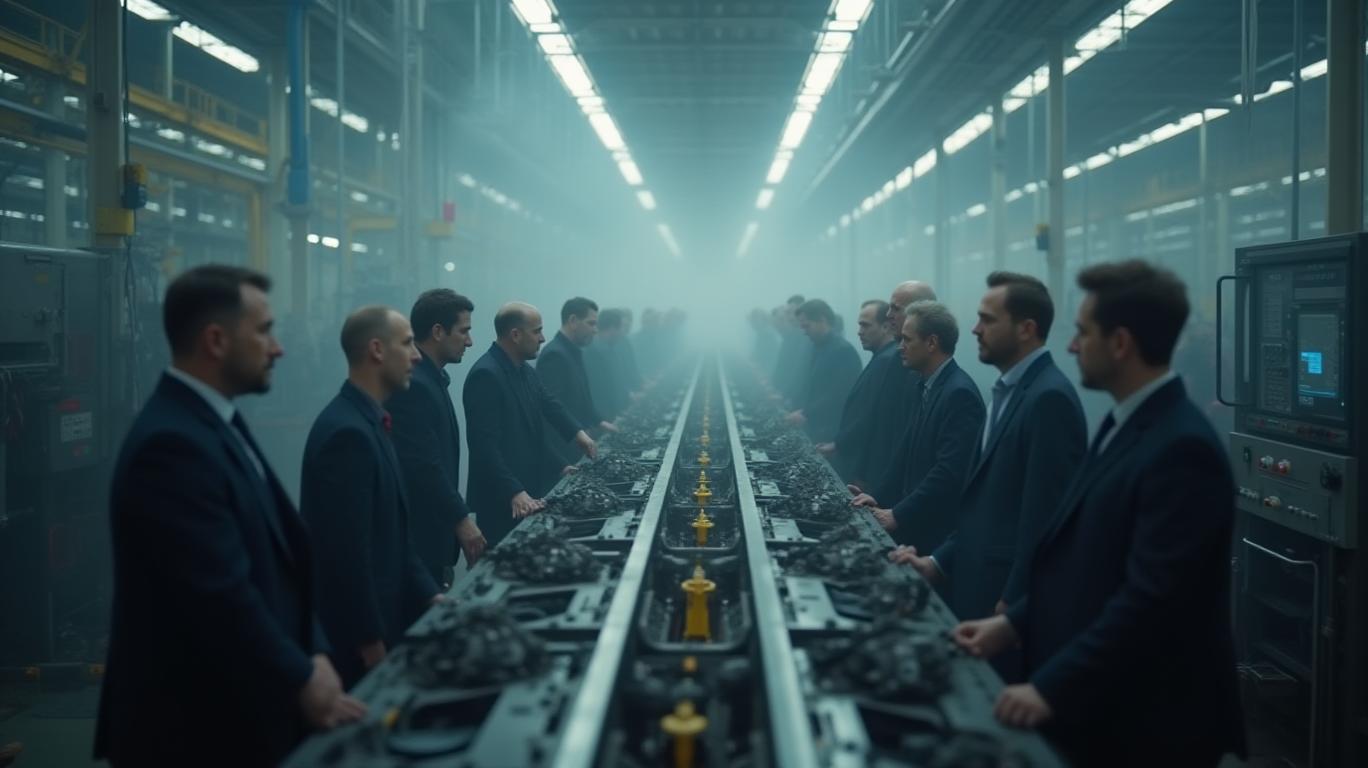
The German auto industry's dependence on the Chinese market has become a significant liability. With intensifying competition and weaker luxury spending, German carmakers are struggling to maintain their market share in China. Moreover, the fierce EV price war started by Tesla and local manufacturers like BYD is putting further pressure on these companies. To reduce their dependence on the Chinese market, Porsche and BMW must diversify their revenue streams and expand their presence in other key markets.
One strategic move for Porsche and BMW is to accelerate their EV production and launch new models that cater to the evolving demand in their key markets. By investing in research and development for battery technology and charging infrastructure, these companies can improve the range and convenience of their EVs, making them more appealing to consumers. Additionally, they should adapt their pricing strategies to compete with local manufacturers and attract price-sensitive consumers.
Another crucial aspect is strengthening their presence in the Chinese market through strategic partnerships and investments. By forming alliances with local automakers or investing in Chinese EV startups, Porsche and BMW can gain a better understanding of the market and leverage local expertise. This will help them tailor their products and marketing strategies to better suit Chinese consumers' preferences and needs.
The German government can play a significant role in supporting the automotive industry's transition to electric vehicles and fostering innovation and competitiveness. By providing financial incentives for consumers to purchase EVs, investing in charging infrastructure, and supporting research and development in EV technology, the government can help stimulate demand and accelerate the adoption of EVs. Moreover, creating a favorable regulatory environment, promoting international cooperation, and supporting the workforce through upskilling and reskilling programs can further enhance the industry's competitiveness.
In conclusion, Porsche and BMW must pivot their strategies to better align with the evolving demand for electric vehicles in their key markets, particularly China. By diversifying their revenue streams, expanding their presence in other markets, and adapting their product portfolios, these iconic brands can navigate the challenges they face and secure their long-term success. The German government has a vital role to play in supporting this transition and fostering innovation, ensuring that the German automotive industry remains a global leader in the era of electric vehicles.
The German automotive industry, once the envy of the world, is now facing a perfect storm of challenges. With sales declining and production costs soaring, the transition to electric vehicles (EVs) has become a matter of survival for companies like Porsche and BMW. As the global market shifts towards sustainability, these iconic brands must adapt their strategies to remain competitive. The German government has a crucial role to play in supporting this transition and fostering innovation.
The German auto industry's dependence on the Chinese market has become a significant liability. With intensifying competition and weaker luxury spending, German carmakers are struggling to maintain their market share in China. Moreover, the fierce EV price war started by Tesla and local manufacturers like BYD is putting further pressure on these companies. To reduce their dependence on the Chinese market, Porsche and BMW must diversify their revenue streams and expand their presence in other key markets.
One strategic move for Porsche and BMW is to accelerate their EV production and launch new models that cater to the evolving demand in their key markets. By investing in research and development for battery technology and charging infrastructure, these companies can improve the range and convenience of their EVs, making them more appealing to consumers. Additionally, they should adapt their pricing strategies to compete with local manufacturers and attract price-sensitive consumers.
Another crucial aspect is strengthening their presence in the Chinese market through strategic partnerships and investments. By forming alliances with local automakers or investing in Chinese EV startups, Porsche and BMW can gain a better understanding of the market and leverage local expertise. This will help them tailor their products and marketing strategies to better suit Chinese consumers' preferences and needs.
The German government can play a significant role in supporting the automotive industry's transition to electric vehicles and fostering innovation and competitiveness. By providing financial incentives for consumers to purchase EVs, investing in charging infrastructure, and supporting research and development in EV technology, the government can help stimulate demand and accelerate the adoption of EVs. Moreover, creating a favorable regulatory environment, promoting international cooperation, and supporting the workforce through upskilling and reskilling programs can further enhance the industry's competitiveness.
In conclusion, Porsche and BMW must pivot their strategies to better align with the evolving demand for electric vehicles in their key markets, particularly China. By diversifying their revenue streams, expanding their presence in other markets, and adapting their product portfolios, these iconic brands can navigate the challenges they face and secure their long-term success. The German government has a vital role to play in supporting this transition and fostering innovation, ensuring that the German automotive industry remains a global leader in the era of electric vehicles.

Divulgación editorial y transparencia de la IA: Ainvest News utiliza tecnología avanzada de Modelos de Lenguaje Largo (LLM) para sintetizar y analizar datos de mercado en tiempo real. Para garantizar los más altos estándares de integridad, cada artículo se somete a un riguroso proceso de verificación con participación humana.
Mientras la IA asiste en el procesamiento de datos y la redacción inicial, un miembro editorial profesional de Ainvest revisa, verifica y aprueba de forma independiente todo el contenido para garantizar su precisión y cumplimiento con los estándares editoriales de Ainvest Fintech Inc. Esta supervisión humana está diseñada para mitigar las alucinaciones de la IA y garantizar el contexto financiero.
Advertencia sobre inversiones: Este contenido se proporciona únicamente con fines informativos y no constituye asesoramiento profesional de inversión, legal o financiero. Los mercados conllevan riesgos inherentes. Se recomienda a los usuarios que realicen una investigación independiente o consulten a un asesor financiero certificado antes de tomar cualquier decisión. Ainvest Fintech Inc. se exime de toda responsabilidad por las acciones tomadas con base en esta información. ¿Encontró un error? Reportar un problema




Comentarios
Aún no hay comentarios