
Pope Leo XIV’s Election: A Catalyst for ESG, Geopolitical Shifts, and Emerging Markets
The election of Cardinal Robert Francis Prevost as Pope Leo XIV marks a historic turning point—the first American to lead the Catholic Church in its 2,000-year history. While the immediate market impact of this papal transition is muted, the long-term implications for global investment trends, ESGESG-- (Environmental, Social, Governance) strategies, and geopolitical dynamics are profound. Here’s how investors should position themselves for the coming era.
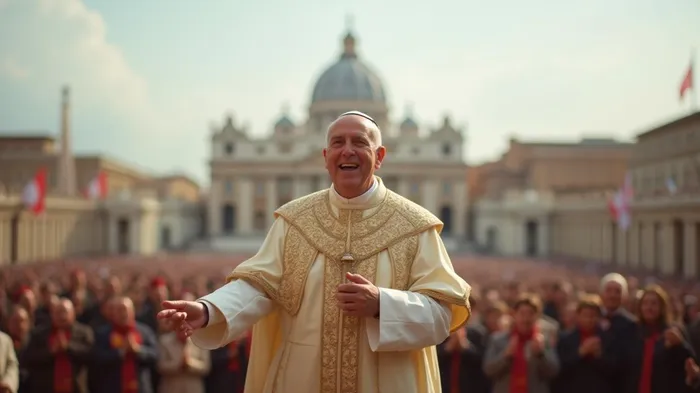
ESG: The Vatican’s Moral Authority Reinforced or Weakened?
Pope Francis’s papacy elevated the Church’s role in advocating for climate action, poverty reduction, and ethical business practices, lending moral credibility to ESG initiatives. shows a 22% growth, outpacing the broader market’s 15% return during the same period. The question now is: Will Pope Leo XIV continue this legacy?
As a centrist, Leo XIV is likely to maintain Francis’s focus on global issues, such as debt relief and climate justice, while balancing conservative doctrinal priorities. This continuity could reinforce ESG’s momentum, particularly in sectors like renewable energy and sustainable infrastructure. However, investors should monitor his stance on socially contentious policies, such as immigration reform, which could indirectly influence labor markets and corporate ESG commitments.
Geopolitical Alignment: U.S. Influence and Global South Priorities
Leo XIV’s dual U.S.-Peruvian citizenship and 30 years of missionary work in Latin America position him to bridge hemispheres while navigating geopolitical tensions. The Vatican’s soft power could amplify the U.S.’s social conservative agenda, potentially influencing policies on reproductive rights and immigration—a key concern for sectors tied to healthcare and labor markets.
Meanwhile, his focus on the Global South—regions like Africa, Asia, and Latin America—could redirect capital toward emerging markets. highlights a 120% gain since 2014, but volatility persists. The Vatican’s advocacy for debt relief and inclusive growth may attract long-term investments in infrastructure, education, and healthcare, areas where Catholic institutions already hold significant sway.
Debt Relief and the “Jubilee 2025” Agenda
Pope Francis’s push for an international mechanism to address the $313 trillion global debt crisis—linked to climate justice and historical inequities—will likely continue under Leo XIV. This could pressure governments and corporations to prioritize sustainable debt restructuring, benefiting sectors like renewable energy and green technology.
Investors in may see tailwinds if the Vatican’s advocacy strengthens multilateral frameworks for climate finance. Conversely, regions overly reliant on fossil fuels could face reputational risks as the Church’s moral authority aligns with ESG divestment trends.
The Vatican’s Internal Reforms: A Microcosm of Global Challenges
The Holy See’s pension fund crisis—a €500 million deficit exacerbated by pandemic losses—reflects broader issues of fiscal accountability. Leo XIV’s cost-cutting measures, such as reducing cardinals’ salaries and ending perks for Vatican employees, signal a commitment to transparency. While this may not directly impact global markets, it underscores the need for institutional accountability—a theme resonating in ESG-focused investing.
Trade and Fiscal Policy: Navigating U.S.-China Tensions
The Vatican’s geopolitical neutrality could become a diplomatic asset amid U.S.-China trade disputes. While tariff negotiations remain deadlocked, the Pope’s advocacy for dialogue may indirectly support sectors benefiting from geopolitical stability, such as cross-border infrastructure projects. Investors in (e.g., the iShares Global Infrastructure ETF) have seen a 35% return, but risks persist without clarity on trade policies.
Conclusion: A Long-Term Play on Values-Driven Capitalism
Pope Leo XIV’s papacy introduces a structural shift in how the Catholic Church engages with global markets. Key takeaways for investors:
- ESG Resilience: If the Vatican maintains its climate and social justice focus, ESG assets—particularly in renewables and emerging markets—are poised for growth. The S&P 500 ESG Index’s outperformance (22% vs. 15% for the broader market since 2020) suggests this trend will endure.
- Global South Opportunities: With 70% of Catholics now in Africa, Asia, and Latin America, infrastructure and social projects in these regions could attract capital, especially if debt relief frameworks advance.
- Geopolitical Caution: While the Vatican’s soft power may ease diplomatic tensions, investors should remain wary of U.S.-China trade volatility and its impact on supply chains.
The election of the first U.S. pope is more than symbolic—it’s a call to align investments with long-term values. As Leo XIV navigates tradition and modernity, markets will reward those who prioritize sustainability, inclusivity, and ethical governance. The Vatican’s moral authority, when coupled with financial prudence, could redefine what it means to be a global investor in the 2020s.







Comentarios
Aún no hay comentarios