
Pop-Up Retail as a Strategic Growth Lever for Emerging Consumer Brands in the U.S.
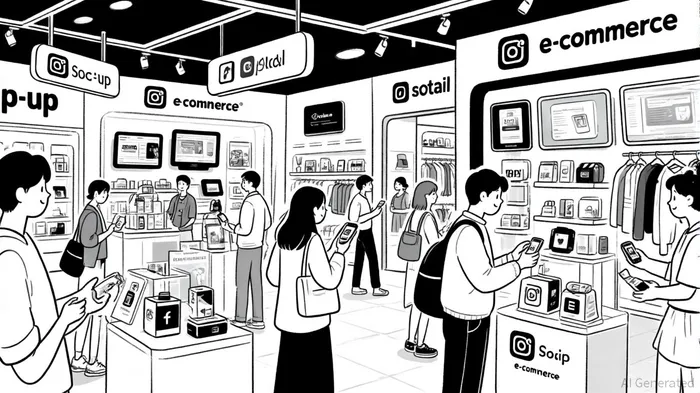
The U.S. pop-up retail sector has emerged as a critical growth lever for emerging consumer brands, offering a low-risk, high-impact strategy to test markets, build brand equity, and foster direct consumer relationships. According to a report by Deloitte, brands like Rhode and Glossier have leveraged pop-up shops to create “near-cultural phenomena,” blending immersive retail experiences with digital engagement to drive loyalty[1]. This strategy is particularly potent in an era where consumer attention is fragmented and physical retail spaces must compete with the convenience of e-commerce.
Market Dynamics and Strategic Advantages
The U.S. pop-up retail market is projected to grow from $80 billion in 2023 to over $95 billion by 2025[2]. This growth is driven by brands' ability to use temporary retail formats to mitigate the risks of long-term leases while testing product-market fit. For example, Rhode's London pop-up and Glossier's Mall of America installation exemplify how brands can create localized, experiential hubs that generate viral social media content and drive foot traffic[1].
Data from IbisWorld highlights that pop-up retail's flexibility allows brands to adapt quickly to shifting consumer preferences and economic conditions[2]. While broader retail sectors faced headwinds in 2023 due to inflation and reduced discretionary spending, food and beverage pop-ups—often perceived as more essential—saw sustained demand[2]. This underscores the importance of aligning pop-up strategies with consumer priorities, particularly in uncertain economic climates.
Digital Synergy and Consumer Engagement
Emerging brands are increasingly integrating pop-up retail with digital-first strategies to amplify reach and retention. A Q4 2023 Deloitte analysis notes that one-on-one social media engagement during pop-up events fosters deeper relationships, turning transient interactions into long-term brand advocacy[1]. For instance, brands like Glossier use Instagram Live sessions and influencer partnerships during pop-ups to create a sense of urgency and exclusivity, driving both in-store and online sales.
This hybrid approach also addresses the challenge of rising import costs and supply chain volatility. By focusing on localized pop-up locations and limited-edition products, brands can reduce inventory risk while maintaining a physical presence in key markets[2].
Challenges and Future Outlook
Despite its advantages, pop-up retail is not without risks. Economic uncertainty and shifting consumer behavior—such as the rise of “phygital” (physical + digital) shopping—require brands to innovate continuously. However, the sector's resilience is evident: after a pandemic-driven decline, the market rebounded with a 1.2% revenue gain in 2024[2], signaling growing consumer confidence in curated, in-person experiences.
For investors, the key takeaway is clear: pop-up retail is not a fleeting trend but a strategic tool for emerging brands to navigate a fragmented retail landscape. As consumer confidence stabilizes and digital integration deepens, the sector is poised to outperform traditional retail models in both agility and ROI.







Comentarios
Aún no hay comentarios