
Polyrizon's Regulatory Crossroads: A High-Risk, High-Reward Opportunity in Nasal Biotech
The biotech sector is rife with volatility, but few companies today face such a dramatic inflection point as Polyrizon Ltd. (PLRZ). On May 23, 2025, the company received a delisting notice from Nasdaq, a seismic event that could upend its access to capital markets. Yet, beneath the regulatory storm lies a company with groundbreaking nasal drug delivery technology and a strategic playbook to fight for survival. For investors willing to stomach extreme risk, this could be a once-in-a-decade chance to back a disruptive innovator at a crisis-driven valuation.
The Delisting Dilemma: A Regulatory Tightrope
Polyrizon’s troubles stem from a March 31 securities offering that issued Series A warrants exercisable on an “alternate cashless basis.” Nasdaq’s Listing Qualifications Department deemed this structure excessively dilutive, arguing it harmed shareholder equity and public interest. While the delisting is not immediate—Polyrizon can request a hearing to contest the decision—the clock is ticking. A win in this hearing could keep shares on Nasdaq; a loss would force a move to over-the-counter markets, slashing liquidity and investor confidence.
The stakes are existential. As of May 23, Polyrizon’s shares trade at $0.361, a near-100% decline YTD, with a market cap of just $14.3 million. Even a stay of delisting via a hearing request (which the company intends to file) won’t resolve the $1.00 bid price compliance deadline looming until October 6. Failure here could trigger a second delisting pathway.
The Strategic Play: Reverse Split and the Bid Price Race
Polyrizon’s most immediate move is a 1-for-250 reverse stock split, effective May 27, 2025. This drastic measure aims to boost its share price above the $1 threshold quickly. A reverse split compresses shares, inflating the price per share while maintaining market cap. For context, if the split occurs, a pre-split share price of $0.36 would jump to $90, temporarily satisfying Nasdaq’s bid price rule.
However, this is a temporary fix. Sustaining the bid price will require more than accounting magic—it demands progress in its pipeline.
The Technology: Nasal Biotech’s Untapped Potential
Polyrizon’s core assets are its Capture and Contain™ (C&C) and Trap and Target™ (T&T) hydrogel platforms. These intranasal solutions could redefine how viruses, allergens, and drugs interact with the human body:
- C&C Technology: Forms a protective barrier in the nasal cavity to block pathogens like rhinoviruses (common cold) and allergens.
- T&T Technology: Delivers active pharmaceutical ingredients (APIs) via nasal sprays, bypassing the digestive system for faster, targeted drug delivery.
Recent milestones hint at breakthrough potential:
- PL-14 Allergy Blocker: Preliminary safety data showed no adverse reactions in early trials.
- Intranasal Benzodiazepines: Preclinical studies (collaborating with the University of Parma) suggest efficacy in treating anxiety disorders without systemic side effects.
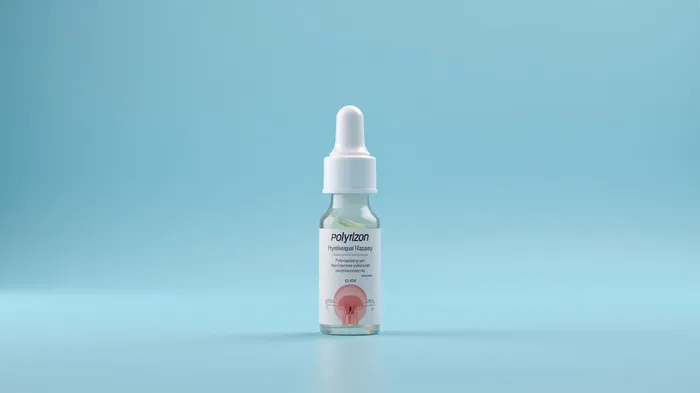
The market for nasal drug delivery is nascent but expanding. Analysts estimate the global market could hit $25 billion by 2030, driven by aging populations and rising demand for non-invasive therapies. Polyrizon’s technology, if validated, could carve out a leadership position.
Why This is a Buy—Or a Gamble
The Case for Optimism:
- Healing the Balance Sheet: The reverse split and delisting appeal buy time. If PolyrizonPLRZ-- can stabilize its stock price and win its hearing, capital-raising options reopen.
- Pipeline Momentum: Positive clinical data from its allergy blocker or benzodiazepine programs could spark a valuation rerating. Even a modest $1.50 share price post-hearing would mark a 300% gain from current levels.
- Low Competition: Few companies focus on nasal hydrogels. Polyrizon’s IP portfolio (pending patents on both C&C and T&T) creates a defensible moat.
The Risks:
- Delisting Reality: If the hearing fails, OTC trading could slash liquidity and investor interest.
- Financial Fragility: With a market cap under $15 million, any setback—regulatory or clinical—could trigger a death spiral.
- Timing: Clinical trials for T&T’s benzodiazepine program aren’t scheduled until late 2025 or 2026. Investors may run out of patience before results arrive.
The Bottom Line: All-In or Bail?
Polyrizon is a high-risk, high-reward bet for investors with a long-term vision and a stomach for volatility. The delisting scare and reverse split create a “now or never” moment. If you believe in nasal biotech’s future—and Polyrizon’s ability to navigate regulatory hurdles—this could be a generational opportunity.
Action Plan:
1. Buy the dip: Use the delisting scare as a buying opportunity. A 1-for-250 split would mean only owning a few pre-split shares becomes meaningful post-split.
2. Monitor the hearing: Set alerts for Nasdaq’s ruling. A stay or favorable outcome is a catalyst.
3. Watch for clinical updates: Positive data on PL-14 or benzodiazepines could offset regulatory headwinds.
This is not a holding for retirees or risk-averse investors. But for those who see Polyrizon’s tech as a game-changer in nasal medicine—and are willing to bet on its fight to stay listed—now is the time to act. The next 12 months will decide whether this is a biotech pioneer or a cautionary tale.
Disclaimer: This article is for informational purposes only and should not be construed as investment advice. Polyrizon’s stock is highly speculative, and investors should conduct their own due diligence.





Comentarios
Aún no hay comentarios