
Political Uncertainty and Market Volatility: A Risk Defense Framework
U.S. tariffs now average , while growth projections show the U.S. at 1.8% and the eurozone at just . These headwinds are already dampening business investment and cross-border trade flows. Meanwhile, 108 countries face elevated civil unrest, . This volatility amplifies commodity price swings and operational disruptions for multinational firms.
The IMF warns these trade-policy feedback loops could deepen if not addressed, potentially triggering broader financial market instability. Businesses must now factor in both the immediate hit to demand and the longer-term need for supply chain resilience. 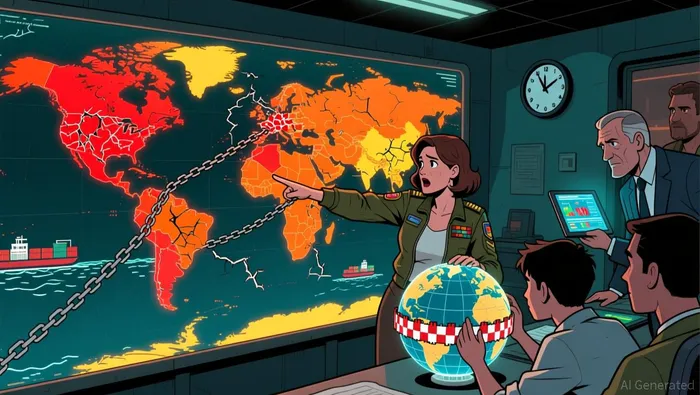 . The next section will examine how these pressures translate to corporate earnings and balance sheet health.
Risk Translation Mechanics to Cash Flow and Balance Sheet
Heightened U.S. tariffs averaging 18% target key suppliers, forcing companies to absorb higher input costs or scramble for alternative sources. BlackRock flags this as a major inventory risk, especially for firms with long replenishment cycles in conflict-prone regions. The since 2021 further strains commodity supplies, driving price volatility that complicates procurement budgets and working capital planning.
Carbon Border Adjustment Mechanism (CBAM) compliance now adds direct margin pressure. Marsh estimates regulatory costs could climb as companies race to meet new reporting standards. These expenses erode operating cash flow, particularly for exporters with thin profit margins. Longer delivery cycles from supply chain reconfiguration also increase inventory holding costs and working capital needs.
While resilient markets like India and Brazil mitigate some trade shock exposure, cash-rich firms with strong balance sheets can better hedge volatility. Others face tighter liquidity as tariff costs, compliance burdens, and inventory risks compound. The next section explores defensive positioning strategies.
Risk Defense Framework and Monitoring Triggers
Building on the financial challenges outlined previously, proactive risk defense strategies become critical. Investors should maintain cash allocations . Simultaneously, reduce exposure to high-compliance sectors facing regulatory friction.
Three key triggers warrant action. , it signals demand weakness. Extended delivery cycles beyond historical averages indicate . .
If instability persists beyond six months, consider cutting equity allocations . Heightened U.S. tariffs averaging 18% risk escalating trade conflicts. These policy feedback loops could amplify market volatility. . While these measures provide downside protection, geopolitical fragmentation threatens to intensify. and resource nationalism add uncertainty. Investors should monitor trade policy shifts closely and avoid overreacting to short-term volatility. .







Comentarios
Aún no hay comentarios