
Political Storm in the Philippines: Ride Out the Turbulence with These Defensive Gems!
The impeachment trial of Vice President Sara Duterte has turned the Philippines into a political pressure cooker, with the Senate's recent decision to return the case to the House sparking fresh turmoil. This isn't just a legal drama—it's a market-moving event that could shake investor confidence. But here's the good news: when politics gets ugly, defensive sectors become your armor. Let's unpack the chaos and find the opportunities hiding in plain sight.
The Duterte Impeachment: A Political Quagmire Heating Up
The Senate's June 10 vote to remand the impeachment case back to the House isn't just a procedural hiccup—it's a clear signYOU-- of political infighting. With ex-President Rodrigo Duterte in The Hague and Sara Duterte's 2028 presidential ambitions on the line, this trial is a proxy war for power. The House insists the trial must proceed, but the Senate's delay tactics have created a constitutional standoff. Protests outside the Senate, legal battles, and public outrage all point to prolonged uncertainty.
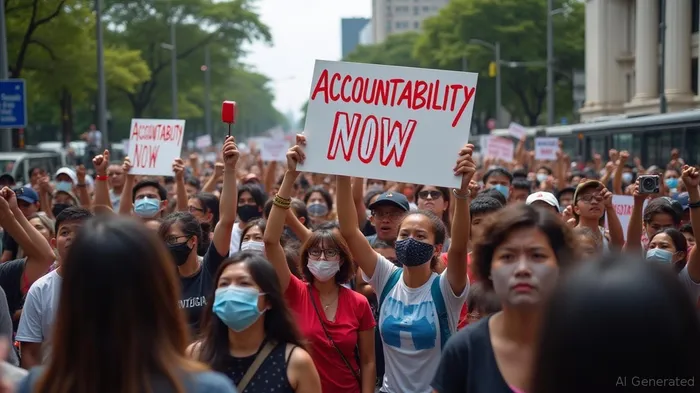
This volatility isn't just political—it's economic. The Philippine Stock Exchange Index (PSEi) has already dipped on news of the trial's setbacks, and more swings are inevitable. But here's where you step in: buy the dip in defensive stocks.
Why Defensive Sectors Are Your Safe Haven Right Now
When politics roils markets, investors flee to sectors that thrive in instability. Utilities, telecoms, banking, and REITs are the “go-to” plays because they're tied to domestic demand and stable cash flows, not export risks or political whims. Let's break down the top picks:
1. Utilities: Steady as She Goes
Aboitiz Power Corp. (AP) is a cash-flow powerhouse, with 3,500 MW of generating capacity. Even if the Duterte trial sparks a recession, Filipinos still need electricity. AP's dividend yield of 4.2% makes it a must-have.
2. Banks: Betting on Monetary Easing
BDO Unibank (BDO) is the Philippines' largest private bank, benefiting from lower reserve requirements and steady loan demand. With its 9% dividend yield and exposure to local SMEs, BDO is a stalwart.
3. REITs: The Housing Play You Can't Miss
Citicore Energy REIT (CREIT) owns prime office and industrial properties, including the iconic Citicore Building. With occupancy rates near 100% and a 5.5% dividend yield, CREIT is a bet on Manila's real estate resilience.

4. Consumer Staples: The Everyday Essentials Win
Puregold Price Club (PGOLD) is the go-to grocer for price-sensitive Filipinos. Its low-margin, high-volume model thrives even in recessions. PGOLD's stock is up 12% YTD, and its 3.8% dividend yield adds a safety net.
The Healthcare Sector? Proceed with Caution!
While healthcare is traditionally a defensive sector, the Philippines' soaring medical costs (18.3% inflation in 2025) are a red flag. Health Maintenance Organizations (HMOs) are bleeding cash, and out-of-pocket expenses are crushing households. Avoid pure-play healthcare stocks like Universal Robina (URC) until cost pressures ease. This isn't a sector to bet on—yet.
The Bottom Line: Play Defense, Not Politics
The Duterte trial won't end soon. Protests, legal twists, and political theater will keep headlines hot. But smart investors don't panic—they buy quality at dips. My picks are clear:
- Buy AP, BDO, CREIT, and PGOLD for their dividends and domestic focus.
- Avoid export-heavy stocks (e.g., property developers, gaming) and wait for clarity.
- Stay alert to the PSEi's range (6,800–7,800)—dips here are buying opportunities.
The Philippines' economy is resilient, but politics is a wildcard. Stick to defensive stocks with cash flow, dividends, and local demand ties, and you'll ride this storm like a pro.
Action Item: If the PSEi drops below 7,000, load up on these four stocks. The Duterte drama might be messy, but your portfolio will thank you.
Stay tuned for my next call—when I'll tackle the next big mover in Southeast Asia.







Comentarios
Aún no hay comentarios