
Political Risk Exposure in US-Funded Humanitarian NGOs: Due Diligence Failures and the Silent Cost to Partners
The U.S. government's recent freeze on foreign aid and abrupt cuts to humanitarian programs have exposed a critical flaw in the global nonprofit sector: a lack of rigorous due diligence to anticipate political risks. This oversight has led to systemic failures in conflict zones from Syria to South Sudan, but the consequences extend far beyond humanitarian crises. For institutional partners—corporations, financial firms, and even governments—reputational damage and financial fallout are now tangible risks. This article explores how due diligence failures in U.S.-funded NGOs are creating ripple effects across industries, and what investors should monitor to avoid exposure.
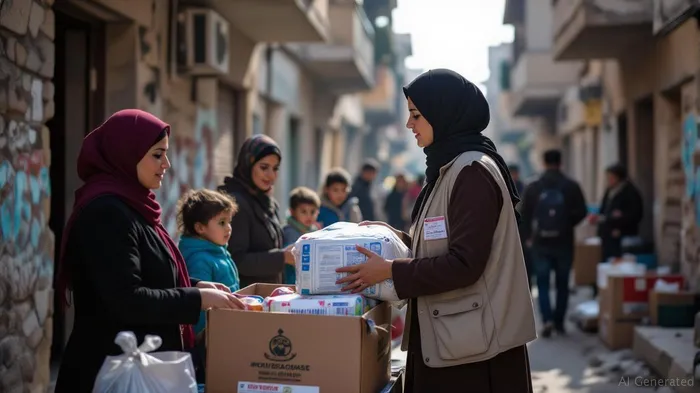
The Due Diligence Gap: How NGOs Failed to Anticipate U.S. Policy Shifts
Humanitarian organizations have long operated in volatile environments, but few were prepared for the abrupt withdrawal of U.S. funding in early 2025. A 90-day pause on development assistance, followed by the termination of 86% of USAID programs, triggered immediate crises: hospitals closed, food aid halted, and protection services for women and girls collapsed.
The root cause? Inadequate due diligence on U.S. political dynamics. NGOs assumed funding stability despite warnings from policymakers and internal audits. For example, Oxfam's 2024 report acknowledged risks tied to shifting U.S. foreign policy but did not adjust operational budgets or diversify funding sources. The result? When aid froze, programs in Syria and South Sudan faced shutdowns, damaging Oxfam's reputation as a reliable partner.
Case Studies: Reputational Fallout and Financial Consequences
- JBS Foods (NYSE: JBSS) – The Cost of Regulatory Blind Spots
In 2025, Brazil's JBSJBS-- became the first meatpacking giant to list on the NYSE despite a history of environmental and labor violations. NGOs like Global Witness highlighted its ties to deforestation and forced labor, yet U.S. regulators approved its listing. The decision backfired: JBS's stock fell 12% in the weeks following criticism, as ESG-conscious investors divested. The episode underscores how companies tied to NGOs with poor due diligence face regulatory and reputational risks.
Supermax Corporation (KLSE: SUPERMAX) – When Partnerships Backfire
Malaysia's Supermax, a glove manufacturer, partnered with the UK to supply PPE during the pandemic. NGOs later exposed its use of forced labor, contradicting the UK's anti-slavery rhetoric. The scandal:- Triggered lawsuits and diplomatic embarrassment for the UK government.
Caused Supermax's stock to plummet 25% as global buyers, including U.S. hospitals, severed ties.
Oxfam's Scandals: The Domino Effect
Repeated allegations of sexual misconduct by staff in Haiti (2010) and DRC (2020) revealed systemic failures in internal due diligence. The UK government cut £16 million in funding, and institutional partners like Unilever (NYSE: UL) faced reputational risks for ties to Oxfam.
Why This Matters to Investors: Three Key Risks
ESG Backlash
Companies relying on NGOs to bolster their ESG credentials face investor scrutiny if those partners falter. For instance, a bank funding an NGO accused of mismanagement could see its ESG ratings drop, deterring green investors.Regulatory Scrutiny
Governments are tightening rules on corporate accountability. The EU's proposed Corporate Sustainability Due Diligence Directive will penalize firms for ties to NGOs with poor governance.Operational Disruptions
NGOs in high-risk regions like Somalia or Syria often partner with logistics firms, tech providers, or banks. Sudden aid freezes can halt contracts, impacting partner revenues.
Investment Playbook: Navigating the Risks
- Avoid Companies with High NGO Exposure
- Firms to Watch: Logistics giants like DHL (Deutsche Post, Frankfurt: DHL) or tech providers like Microsoft (NASDAQ: MSFT) that partner with crisis NGOs.
Query:
Favor Firms with Robust Due Diligence
Best Practices: Look for companies conducting third-party audits or partnering with NGOs rated by NGO Source, a transparency platform.
Short Sell Politically Exposed Sectors
Consider shorting sectors like agribusiness (e.g., JBS) or mining (e.g., Freeport-McMoRan (NYSE: FCX)) where NGOs have highlighted environmental violations.
Monitor U.S. Aid Policy Shifts
- Track the U.S. AID Freeze Dashboard for funding trends. Sudden cuts to regions like Afghanistan or Sudan could destabilize NGO partners and their corporate allies.
Conclusion: Due Diligence Isn't Just for NGOs Anymore
The lesson is clear: due diligence failures in NGOs now pose material risks to institutional partners. Investors must treat NGO ties as they would any high-risk investment—research governance, monitor political shifts, and prepare for fallout. In an era of volatile foreign policy, the humanitarian sector's struggles are everyone's problem.
Final Advice: Diversify away from politically exposed NGOs and prioritize firms with transparent, third-party-verified partnerships. The cost of complacency could be steep.







Comentarios
Aún no hay comentarios