
Political Realignment in Central Europe: Navigating Risks and Opportunities in the Post-Babis Era
Political Realignment in Central Europe: Navigating Risks and Opportunities in the Post-Babis Era
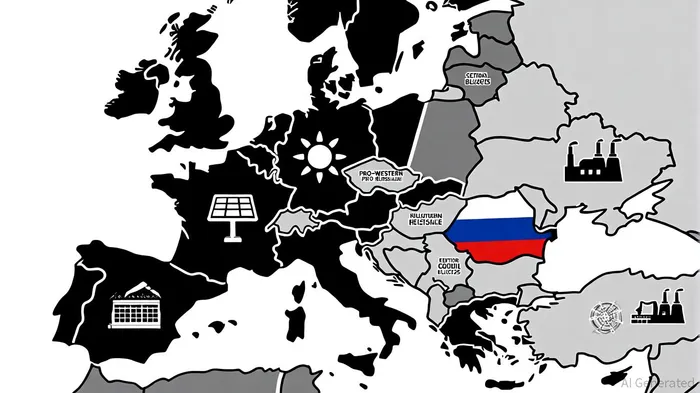
The 2025 Czech parliamentary election has reshaped the political and economic landscape of Central Europe, with billionaire populist Andrej Babis's ANO party securing 34.7% of the vote and positioning itself to form a government, potentially in coalition with far-right parties like Freedom and Direct Democracy (SPD), France24 reported. This realignment, driven by Babis's "Czechs first" agenda and his alignment with pro-Russian figures such as Hungary's Viktor Orban and Slovakia's Robert Fico, signals a pivot away from the pro-Western policies of the previous administration. For investors, the implications are profound: shifting political dynamics are recalibrating risk profiles, policy priorities, and sector-specific opportunities across the region.
Political Realignment and Investor Sentiment
Babis's return to power has introduced a dual narrative for Central European markets. On one hand, his ANO party's emphasis on welfare spending and economic nationalism could stabilize domestic demand, potentially boosting sectors like construction and energy, Bloomberg reported. On the other, his alignment with the far-right "Patriots for Europe" bloc in the European Parliament-alongside parties like Hungary's Fidesz and France's National Rally-raises concerns about governance quality, regulatory uncertainty, and the Czech Republic's commitment to EU and NATO frameworks, The Independent warned.
Investor sentiment is already reflecting this duality. According to Deloitte, Central European real estate investors are increasingly prioritizing sectors like energy infrastructure and healthcare, which are perceived as resilient to political volatility. Meanwhile, the automotive and telecommunications industries face headwinds, as Babis's pledge to review military aid to Ukraine and his skepticism toward EU climate policies create ambiguity for supply chains and green transition investments, Balkan Insight reported.
Sector-Specific Impacts and Resilient Industries
The Czech Republic's political realignment is likely to amplify sectoral divergences. Energy and construction, for instance, may benefit from state-led projects and subsidies, particularly as Babis's government seeks to bolster domestic industries amid global supply chain disruptions, datasurfr.ai noted. Conversely, technology and manufacturing sectors could face challenges if the new administration delays reforms to education and innovation, areas highlighted by the OECD as critical for long-term growth.
Resilient industries-those with low exposure to political risk and high adaptability-include renewable energy and R&D-driven sectors. The EU's 2028–2034 budget frameworks, which prioritize green and digital transitions, offer a buffer against domestic policy shifts, provided the Czech government maintains access to EU funding, as the European Commission outlines. Similarly, healthcare and logistics infrastructure are gaining traction as "safe havens" for capital, with CBRE noting that 95% of surveyed investors prioritize sustainability in their decision-making.
Strategic Investment Considerations
For investors, the key lies in balancing exposure to politically sensitive sectors with opportunities in resilient, policy-agnostic industries. The following strategies emerge from the current landscape:
1. Energy Transition Plays: Invest in renewable energy projects (e.g., solar, wind) that align with both EU climate mandates and domestic industrial needs, mitigating risks from policy reversals.
2. Healthcare and Infrastructure: Target healthcare services and logistics infrastructure, which remain in demand regardless of political shifts and benefit from EU cohesion funds.
3. Diversification Across CEE: Offset Czech-specific risks by diversifying into Poland and Hungary, where political realignments are creating contrasting opportunities (e.g., Hungary's automotive sector amid regulatory uncertainty).
However, caution is warranted. The European Commission's emergency meeting with TikTok over pro-Russian propaganda during the Czech election underscores the fragility of public trust and the potential for geopolitical tensions to spill into market dynamics, Yahoo News reported. Investors must also monitor legal challenges facing Babis, including his EU subsidy fraud trial, which could disrupt governance continuity.
Conclusion
The Czech Republic's political realignment under Babis marks a pivotal moment for Central European markets. While the risks of governance instability and pro-Russian alignment are real, the region's integration into EU frameworks and the resilience of certain industries present opportunities for strategic, adaptive investors. As the new government navigates its coalition-building and policy agenda, the ability to distinguish between short-term volatility and long-term structural trends will be critical.







Comentarios
Aún no hay comentarios