
Political Pressure Tests Fed's Independence as Bostic Exits
Federal Reserve President Raphael Bostic, a prominent hawkish voice on the central bank's rate-setting committee, announced his retirement on November 12, 2025, effective February 28, 2026, triggering speculation about the Fed's future policy direction amid heightened political scrutiny, according to a report. Bostic, the first Black and openly gay president of a regional Federal Reserve bank, will leave a significant void on the Federal Open Market Committee (FOMC), where he consistently advocated for inflation control over aggressive rate cuts, as noted in that report. His departure comes amid a broader push by President Donald Trump to exert greater influence over the Fed's leadership structure, according to a Reuters report.
Bostic's retirement announcement followed years of ethical scrutiny over his personal financial transactions. In 2024, the Fed's inspector general found he violated internal rules by executing 154 trades during blackout periods ahead of policy meetings, creating the appearance of acting on confidential information, according to a New York Times report. While Bostic maintained he was unaware of specific trades or their timing, the incident raised questions about his prospects for reappointment, as noted in a Wall Street Journal report. Two other Fed presidents had resigned in 2021 over similar financial disclosure issues, underscoring a pattern of regulatory scrutiny within the system, as reported in the American Banker article. 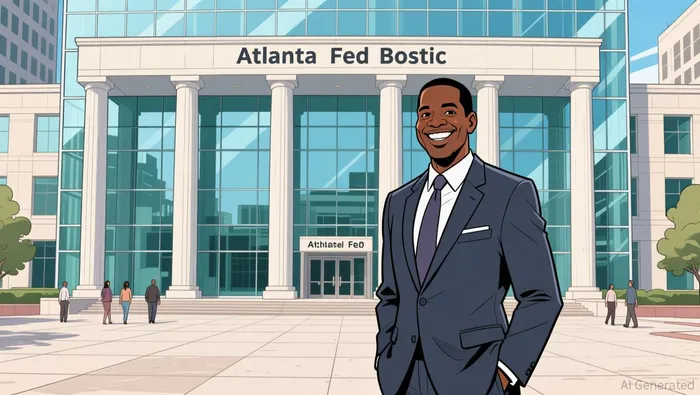
The Atlanta Fed president's hawkish stance on inflation has been a defining feature of his tenure. In a speech to the Atlanta Economics Club, Bostic emphasized that inflation remains the "clearer and more urgent risk" compared to ambiguous labor market signals, according to an Investing.com article. This aligns with his consistent opposition to rapid rate cuts, even as some colleagues, like Kansas City Fed President Jeffrey Schmid, pushed for more aggressive easing, as noted in that Investing.com article. His retirement removes a key moderate voice from the FOMC, potentially shifting the committee's balance toward either a more dovish or hawkish trajectory depending on his successor, as reported in a LookonChain report.
The search for Bostic's replacement will be closely watched, particularly given Trump's stated desire to reshape the Fed's Board of Governors and his influence over the reappointment process for regional bank presidents, as detailed in the Reuters report. Cheryl Venable, the Atlanta Fed's first vice president and chief operating officer, will serve as interim leader until a permanent appointee is confirmed, according to the American Banker article. Market analysts suggest a Trump-aligned successor could advocate for looser monetary policy, potentially boosting sectors like housing and tech while pressuring banks and import-dependent industries, as noted in the American Banker article.
Fed Chair Jerome Powell praised Bostic's contributions, calling his perspective "a steady voice" that "enriched the FOMC's understanding of our dynamic economy," as cited in the American Banker article. However, the transition highlights the Fed's ongoing struggle to maintain its independence amid political pressures. Bostic's exit, combined with Trump's campaign to replace Fed officials, signals a pivotal moment for U.S. monetary policy as the central bank navigates post-pandemic economic challenges, as reported in a Guardian report.







Comentarios
Aún no hay comentarios