
Political Instability and Risk Assets: Short-Term Trading Strategies in Defense and Cybersecurity Sectors
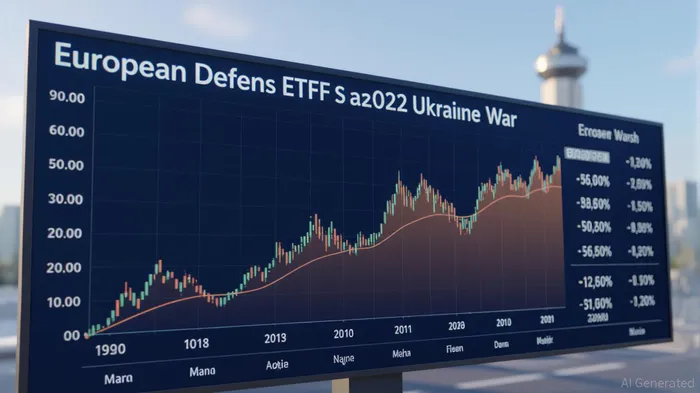
Political instability has long acted as a catalyst for sector-specific market movements, particularly in defense and cybersecurity equities. As global tensions escalate and elections reshape policy priorities, short-term traders must navigate volatility while identifying asymmetric opportunities. This analysis examines how recent events—such as the 2022 Ukraine war and the 2024 U.S. elections—have influenced these sectors, offering actionable insights for tactical positioning.
Defense Sector: Volatility as a Double-Edged Sword
The 2022 invasion of Ukraine triggered an immediate surge in defense stocks, driven by unprecedented military spending commitments from European nations. According to a report by U.S. Funds, European defense ETFs experienced parabolic growth as countries like Germany and Italy allocated billions to modernize armed forces[1]. For instance, Germany's Rheinmetall and Italy's Leonardo saw stock prices rise by over 150% in 2022, reflecting heightened demand for advanced weaponry and logistics[2].
However, this volatility introduces risks. Analysts at Reuters highlight that a potential Trump victory in the 2024 U.S. election could signal a shift in foreign policy, including a possible ceasefire in Ukraine[2]. Such an outcome might temporarily depress defense stock prices, creating “buy-the-dip” opportunities for traders who anticipate renewed conflict or sustained spending. Historical patterns suggest that defense equities often rebound quickly if geopolitical tensions resurface, making short-term contrarian bets viable.
Cybersecurity: A Hidden Beneficiary of Geopolitical Risk
While direct data on cybersecurity stock performance during political instability remains sparse, broader trends suggest the sector is increasingly intertwined with defense dynamics. A study published in NIH notes that geopolitical risks and technological innovation—particularly in AI and cybersecurity—have become defining forces in the defense sector[2]. For example, the 2024 U.S. election cycle has amplified concerns over election security, potentially boosting demand for cybersecurity solutions.
Traders should monitor indirect indicators, such as government contracts and R&D spending. Companies like Palo Alto NetworksPANW-- and CrowdStrikeCRWD-- have historically outperformed during periods of heightened cyber threats, even if their correlations to defense ETFs are less direct. Short-term strategies here may involve leveraging sector rotation into innovation-driven plays, especially as AI-driven threat detection becomes a priority.
Tactical Recommendations for Traders
- Defensive Positioning in Defense ETFs: Consider overweighting European defense ETFs during periods of elevated geopolitical risk, using stop-loss orders to mitigate downside if ceasefire narratives gain traction.
- Event-Driven Options Strategies: Use the volatility of defense stocks to implement straddles or iron condors around key political events (e.g., U.S. election dates).
- Cybersecurity as a Long-Term Hedge: While short-term data is limited, cybersecurity equities offer diversification benefits in a risk-on environment, particularly as AI adoption accelerates.
Conclusion
Political instability remains a potent driver of market asymmetry, particularly in defense and cybersecurity sectors. By analyzing historical precedents and monitoring real-time policy shifts, traders can capitalize on volatility while hedging against macroeconomic uncertainties. As the 2024 U.S. election approaches, the interplay between geopolitical narratives and sector-specific fundamentals will likely define short-term opportunities.





Comentarios
Aún no hay comentarios