
Political Influence on Cultural Institutions: Financial Impact of Trump's Kennedy Center Shifts
President Trump's aggressive reshaping of the Kennedy Center reflects a clear strategy to counter perceived "woke" influence, using both funding and personnel control. Congressional approval of a $257 million renovation package accompanied a wholesale leadership change, with board appointments favoring Trump-aligned figures. Programming pivoted toward "mainstream" fare and away from works labeled as promoting progressive social agendas, signaling a broader cultural policy shift. Trump's own claim of 98% involvement in the 2025 Kennedy Center Honors selection process dramatically broke with bipartisan tradition, embedding political influence directly into the institution's core events.
However, revitalization efforts clash with emerging internal turmoil and artist backlash. The administration touts the renovations and honors event as a reinvigorated cultural hub, yet evidence points to deepening operational strain. Internal staff upheaval and the removal of symbolic elements (like rainbow medallions) have alienated artists and patrons, leading to high-profile cancellations such as "Hamilton." While corporate donations rose under new leadership, this shift may not offset broader audience alienation. The center's financial model, reliant on break-even performances, now faces heightened risk.
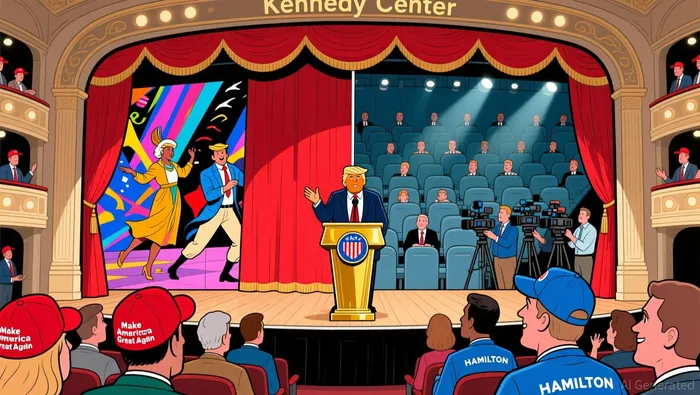
Revenue headwinds are already apparent, with ticket sales for flagship events like "The Nutcracker" declining. This drop signals potential audience disengagement driven by perceived political interference, threatening the center's operational sustainability. While the administration expects high viewership for politically aligned events according to media reports, the long-term impact on donor confidence and public funding remains uncertain. The Kennedy Center's future hinges on balancing Trump's cultural vision against the financial realities of audience appeal and institutional independence.
Financial Performance and Media Sentiment: Revenue Dynamics
Political interference at the Kennedy Center is reshaping its revenue landscape. President Trump's unprecedented 98% control over honoree selection for the 2025 awards has deepened cultural polarization and alienated artists and audiences aligned with progressive values. This tension manifests in mixed financial signals: while the event drew record television ratings, likely driven by Trump's celebrity appeal and emphasis on high viewership according to NBC News, live attendance has declined, particularly for traditional performances like The Nutcracker. Artist cancellations, such as the Hamilton production pulling out according to CNN reports, signal credibility issues that could erode long-term revenue streams dependent on donor trust and consistent programming appeal.
The contrast between broadcast success and live event struggles highlights a shift in audience penetration. TV ratings surged, potentially boosting advertising and media licensing income, but declining in-person attendance strains the center's break-even financial model, which relies on sold-out performances. Corporate donations have risen under new leadership, offering a temporary buffer, yet artist boycotts and politicized programming risk alienating key revenue sources like foundations and individual patrons. While short-term viewership gains might offset some losses, the erosion of artistic credibility could undermine sustained audience growth and revenue stability.
Investors should weigh these dynamics carefully: high media penetration offers upside, but declining live engagement and artist relations pose real frictions. The center's ability to monetize its cultural relevance hinges on balancing political capital with enduring appeal, a challenge where long-term logic remains intact only if polarization doesn't become permanent.
Growth Risks and Institutional Sustainability
The Kennedy Center's growth trajectory faces significant headwinds from political interventions and internal instability that threaten its long-term viability. Leadership changes under the Trump administration have triggered programming shifts toward "mainstream" content, replacing inclusive symbols like rainbow medallions with politically aligned alternatives. This move risks alienating younger audiences and diverse demographics, potentially eroding ticket sales and donor loyalty amid concerns over institutional neutrality. While increased corporate donations under new leadership offer temporary relief, artist boycotts-such as high-profile cancellations like Hamilton-signal growing friction that could undermine attendance long-term. Operational costs have also risen due to internal upheaval, including staff turnover and restructuring, straining resources meant for artistic programming. Moreover, political tensions have intensified scrutiny over the center's $257 million renovation funding, which remains contingent on congressional approval and partisan dynamics. If future administrations reverse course or cut allocations, projects could stall, jeopardizing revenue streams from expanded facilities. These risks collectively challenge the Kennedy Center's break-even model, forcing difficult trade-offs between political alignment and financial sustainability.







Comentarios
Aún no hay comentarios