
Polish Wage Surge and Inflation Easing: A Bullish Play for Equity Investors
The interplay between surging wages and decelerating inflation in Poland is reshaping the investment landscape, creating a compelling opportunity for equity markets. With corporate wage growth hitting 10% year-on-year in early 2025 and inflation easing to 4.3% in April, the Polish economy is entering a phase where rising disposable income could outpace cost pressures. For investors, this dynamic presents a strategic pivot point: overweight sectors benefiting from consumer spending while navigating labor-cost risks in industries lacking pricing power.
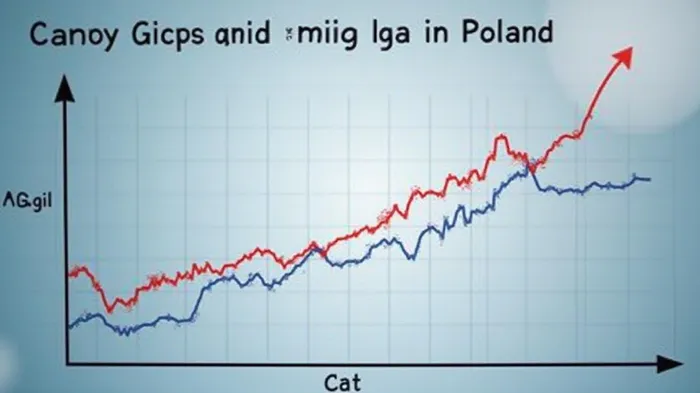
The Wage Surge: A Tailwind for Demand, a Challenge for Margins
Poland’s labor market is firing on all cylinders. The average gross wage in Q1 2025 hit PLN 8,962.28, a 5.7% quarterly rise and 10% annual increase, driven by minimum wage hikes (now PLN 4,666) and tight labor markets (unemployment near 3%). While this boosts household income, it also pressures firms in labor-intensive sectors.
However, the decelerating inflation—down from 5.3% in January to 4.3% in April—suggests companies may finally gain breathing room. Services inflation, a key driver, slowed to 6.3% y/y in April, while goods prices rose just 3.5%. This “sweet spot” of rising wages without runaway inflation is primed to boost consumer spending.
Sector Spotlight: Winners and Losers in the Wage-Inflation Dance
1. Consumer Discretionary: A Direct Beneficiary
Retailers, restaurants, and leisure companies stand to gain as households spend their higher wages. With disposable income growth outpacing inflation, demand for non-essentials like electronics, travel, and dining should surge.
Investment Play: Overweight Polish consumer discretionary stocks, such as LPP (fashion retailer) or Gruppa Pracownia (home improvement), which cater to discretionary spending.
2. Labor-Intensive Sectors: Navigating Margin Pressures
Construction, manufacturing, and logistics face a double-edged sword. Higher wages inflate costs, but stronger demand—particularly in housing and infrastructure—could offset these pressures.
Caution Zone: Avoid firms without pricing power. For example, construction firms like Mostostal Warszawa may struggle unless they can pass costs to clients.
3. Financials: Indirect Winners from Consumer Health
Banks and insurers benefit from higher consumer confidence and loan demand. Strong wage growth fuels mortgage applications and credit card usage.
Play: Look to PKO BP or Alior Bank, which could see improved loan portfolios and fee-based revenue.
Risks on the Horizon
- Wage-Fueled Cost Spirals: If labor-heavy industries cannot raise prices, margins could shrink.
- External Shocks: A global recession or EU funding cuts could dampen Poland’s 3.4% GDP growth forecast.
- Policy Overreach: Further minimum wage hikes or union demands might accelerate costs.
Investment Strategy: Play the Demand Tailwind, Avoid Margin Traps
- Overweight Consumer Discretionary: Prioritize companies with pricing power and exposure to spending.
- Underweight Labor-Intensive Sectors Without Pricing Flexibility: Focus on firms with automation or efficiency gains.
- Monitor Inflation Trends: If inflation rebounds, consumer spending could stall—.
Final Call: Poland’s Wage Surge Isn’t Just a Labor Story—It’s an Equity Catalyst
The data is clear: Poland’s households are wealthier, and companies in consumer-facing sectors stand to gain. While labor costs pose risks, the broader economic tailwind—3.4% GDP growth, stable unemployment, and easing inflation—supports a bullish stance.
Investors ignoring this shift may miss a rare opportunity: a market where rising wages fuel demand without crushing profitability. The time to act is now.








Comentarios
Aún no hay comentarios