
Policy Paralysis: The New Threat to Bank Earnings
Generado por agente de IAHarrison Brooks
viernes, 28 de marzo de 2025, 2:39 pm ET2 min de lectura
BAC--
In the ever-shifting landscape of Wall Street, one constant remains: the unpredictable nature of policy. Mike Mayo, a seasoned Wall Street veteran and banking analyst at Wells FargoWFC--, has sounded the alarm on the latest threat to bank earnings—policy-induced paralysis. This isn't just a temporary hiccup; it's a systemic issue that's causing ripples across the financial sector.
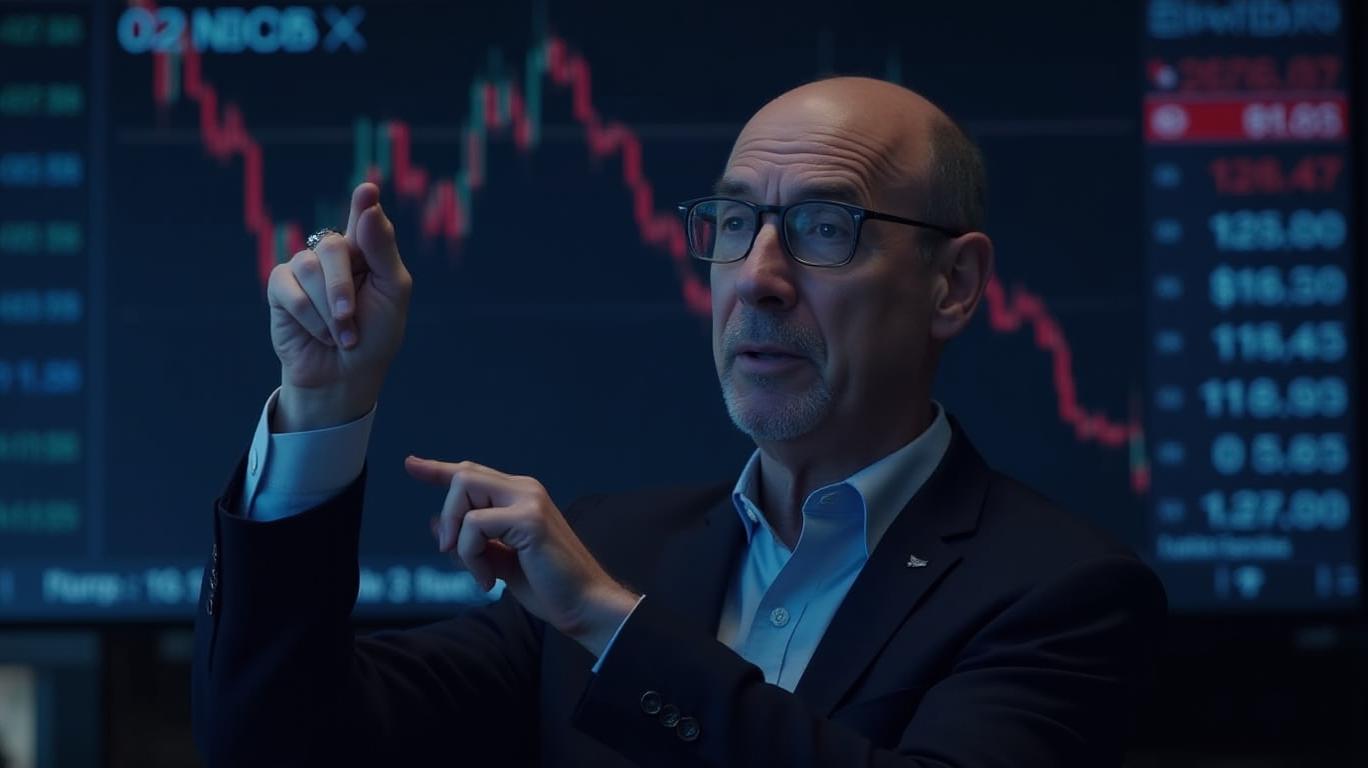
The KBW Bank Index, a key indicator of the banking sector's health, is on track for a more than 5% decline for the first quarter of 2025. This is the worst performance since the regional banking crisis in March 2023. The culprit? The "on-again, off-again swings of American trade policy," as Mayo puts it. This policy uncertainty has led to a "degree of paralysis" that's making it tricky for companies to establish outlooks and plan for the future.
Mayo's response to this uncertainty has been to trim his earnings estimates by an average of 4% across the board. This isn't a small adjustment; it's a clear signal that the banking sector is bracing for impact. The question is, how long will this paralysis last, and what can banks do to mitigate its effects?
The answer lies in a combination of strategies. Banks can diversify their revenue streams, enhance their risk management practices, and invest in technology and innovation. For instance, JPMorgan Chase & Co.BBLB-- is expected to benefit from volatility given its role as a market facilitator, which could help in trading revenues. This is a classic case of turning a challenge into an opportunity.
But the real test of resilience will come in the long term. Despite the lower estimates, Mayo continues to hold a rosy view, expecting a capital markets rebound. He believes that the delay in the rebound is due to policy uncertainties but not a permanent setback. This long-term optimism is based on the expectation of the biggest deregulation push in a generation.
However, the road to recovery won't be smooth. The volume of M&A activity has risen more slowly than expected, with around 6,600 transactions announced worldwide for the first quarter, marking a 30% decline since last year and a 44% drop from the peak in 2021. This slowdown suggests that economic uncertainty is impacting dealmaking, which in turn affects the banking sector's revenue streams.
The same goes for IPOs, which have disappointed due to the economic and inflationary impacts of trade policy fluctuations. A decline in successful IPOs can indicate reduced investor confidence and liquidity in the market, affecting the banking sector's profitability.
In the face of these challenges, banks are already making tough decisions. J.P. Morgan and Bank of AmericaBAC-- have already made their annual cuts of underperforming workers, and other banks may follow suit. This indicates that banks are preparing for a prolonged period of uncertainty, which could impact their operational efficiency and long-term growth prospects.
But the real question is, how long will this paralysis last? And what can policymakers do to mitigate its effects? The answer lies in a combination of strategies. Banks can diversify their revenue streams, enhance their risk management practices, and invest in technology and innovation. For instance, JPMorgan Chase & Co. is expected to benefit from volatility given its role as a market facilitator, which could help in trading revenues. This is a classic case of turning a challenge into an opportunity.
But the real test of resilience will come in the long term. Despite the lower estimates, Mayo continues to hold a rosy view, expecting a capital markets rebound. He believes that the delay in the rebound is due to policy uncertainties but not a permanent setback. This long-term optimism is based on the expectation of the biggest deregulation push in a generation.
In conclusion, policy-induced paralysis is a real threat to bank earnings. But it's not an insurmountable one. With the right strategies and a long-term perspective, banks can navigate this uncertainty and emerge stronger. The question is, will they rise to the challenge? Only time will tell.
BBLB--
WFC--
In the ever-shifting landscape of Wall Street, one constant remains: the unpredictable nature of policy. Mike Mayo, a seasoned Wall Street veteran and banking analyst at Wells FargoWFC--, has sounded the alarm on the latest threat to bank earnings—policy-induced paralysis. This isn't just a temporary hiccup; it's a systemic issue that's causing ripples across the financial sector.
The KBW Bank Index, a key indicator of the banking sector's health, is on track for a more than 5% decline for the first quarter of 2025. This is the worst performance since the regional banking crisis in March 2023. The culprit? The "on-again, off-again swings of American trade policy," as Mayo puts it. This policy uncertainty has led to a "degree of paralysis" that's making it tricky for companies to establish outlooks and plan for the future.
Mayo's response to this uncertainty has been to trim his earnings estimates by an average of 4% across the board. This isn't a small adjustment; it's a clear signal that the banking sector is bracing for impact. The question is, how long will this paralysis last, and what can banks do to mitigate its effects?
The answer lies in a combination of strategies. Banks can diversify their revenue streams, enhance their risk management practices, and invest in technology and innovation. For instance, JPMorgan Chase & Co.BBLB-- is expected to benefit from volatility given its role as a market facilitator, which could help in trading revenues. This is a classic case of turning a challenge into an opportunity.
But the real test of resilience will come in the long term. Despite the lower estimates, Mayo continues to hold a rosy view, expecting a capital markets rebound. He believes that the delay in the rebound is due to policy uncertainties but not a permanent setback. This long-term optimism is based on the expectation of the biggest deregulation push in a generation.
However, the road to recovery won't be smooth. The volume of M&A activity has risen more slowly than expected, with around 6,600 transactions announced worldwide for the first quarter, marking a 30% decline since last year and a 44% drop from the peak in 2021. This slowdown suggests that economic uncertainty is impacting dealmaking, which in turn affects the banking sector's revenue streams.
The same goes for IPOs, which have disappointed due to the economic and inflationary impacts of trade policy fluctuations. A decline in successful IPOs can indicate reduced investor confidence and liquidity in the market, affecting the banking sector's profitability.
In the face of these challenges, banks are already making tough decisions. J.P. Morgan and Bank of AmericaBAC-- have already made their annual cuts of underperforming workers, and other banks may follow suit. This indicates that banks are preparing for a prolonged period of uncertainty, which could impact their operational efficiency and long-term growth prospects.
But the real question is, how long will this paralysis last? And what can policymakers do to mitigate its effects? The answer lies in a combination of strategies. Banks can diversify their revenue streams, enhance their risk management practices, and invest in technology and innovation. For instance, JPMorgan Chase & Co. is expected to benefit from volatility given its role as a market facilitator, which could help in trading revenues. This is a classic case of turning a challenge into an opportunity.
But the real test of resilience will come in the long term. Despite the lower estimates, Mayo continues to hold a rosy view, expecting a capital markets rebound. He believes that the delay in the rebound is due to policy uncertainties but not a permanent setback. This long-term optimism is based on the expectation of the biggest deregulation push in a generation.
In conclusion, policy-induced paralysis is a real threat to bank earnings. But it's not an insurmountable one. With the right strategies and a long-term perspective, banks can navigate this uncertainty and emerge stronger. The question is, will they rise to the challenge? Only time will tell.

Divulgación editorial y transparencia de la IA: Ainvest News utiliza tecnología avanzada de Modelos de Lenguaje Largo (LLM) para sintetizar y analizar datos de mercado en tiempo real. Para garantizar los más altos estándares de integridad, cada artículo se somete a un riguroso proceso de verificación con participación humana.
Mientras la IA asiste en el procesamiento de datos y la redacción inicial, un miembro editorial profesional de Ainvest revisa, verifica y aprueba de forma independiente todo el contenido para garantizar su precisión y cumplimiento con los estándares editoriales de Ainvest Fintech Inc. Esta supervisión humana está diseñada para mitigar las alucinaciones de la IA y garantizar el contexto financiero.
Advertencia sobre inversiones: Este contenido se proporciona únicamente con fines informativos y no constituye asesoramiento profesional de inversión, legal o financiero. Los mercados conllevan riesgos inherentes. Se recomienda a los usuarios que realicen una investigación independiente o consulten a un asesor financiero certificado antes de tomar cualquier decisión. Ainvest Fintech Inc. se exime de toda responsabilidad por las acciones tomadas con base en esta información. ¿Encontró un error? Reportar un problema


SOBRE NOSOTROS
Nuestra historiaAutores de noticiasBase de conocimientosPolítica de privacidadTérmino de usoDescargo de responsabilidad de corretaje de tercerosTérminos de uso de AIMEDivulgaciones de riesgos de AInvest AICarrerasCONTÁCTENOS
Email: support@ainvest.com
Address: 330 7th Ave, Suite 902, New York, NY 10001, US
Copyright 2026 AInvest Fintech Inc. All rights reserved.


Comentarios
Aún no hay comentarios