
Poland's Presidential Election: A Geopolitical Crossroads for EU Energy and Defense Investments
The May 18, 2025, Polish presidential election has emerged as a critical geopolitical flashpoint, with profound implications for EU-Ukraine alignment, energy security, and defense spending across Europe. As investors assess risks and opportunities in European markets, the outcome of this election—and its potential runoff on June 1—will determine the trajectory of regional stability, energy transition, and defense preparedness.
This article dissects how the competing visions of centrist candidate Rafał Trzaskowski and populist Karol Nawrocki could reshape investment landscapes in energy and defense sectors. The stakes are high: Poland's choices will amplify or mitigate risks tied to Russian influence, EU integration, and transatlantic coordination. For investors, the election's result is a clarion call to reposition portfolios before geopolitical winds shift.
The Candidates: A Divide Over Europe's Future
The election pits Warsaw Mayor Rafał Trzaskowski (Civic Coalition) against Karol Nawrocki (Law and Justice-backed). Both support Ukraine's defense but diverge sharply on EU ties and energy strategy:
- Trzaskowski (Pro-EU Integration):
- Advocates deepening EU cooperation to strengthen energy security and defense.
- Prioritizes reducing reliance on Russian energy, accelerating renewable investments.
- Supports NATO-aligned defense policies and EU sanctions against Russia.
His victory would likely stabilize EU-Poland relations, easing regulatory hurdles for cross-border energy projects.
Nawrocki (Nationalist Eurosceptic):
- Promotes “a Europe of Homelands,” prioritizing national sovereignty over EU centralization.
- Skeptical of EU institutions, risking strained relations and delayed funding for energy/defense initiatives.
- Aligns with U.S. President Trump and Eastern European ultranationalists, potentially destabilizing transatlantic unityU--.
- His win could lead to prolonged political gridlock, complicating EU-funded energy infrastructure (e.g., Baltic Pipe).
Geopolitical Risks for Energy Investors
Poland's energy policy pivot is central to EU's 2030 decarbonization goals. Under Trzaskowski, expect:
- Accelerated renewables adoption, favoring firms like Orsted (wind) and NextEra Energy (solar).
- Expanded LNG imports via terminals like Świnoujście, benefiting companies like Cheniere Energy.
However, a Nawrocki victory could:
- Stall EU-funded projects, creating uncertainty for firms like Enel and EDP Renewables.
- Increase reliance on domestic coal (if EU subsidies are blocked), harming clean energy stocks.
Defense Sector: NATO Spending and Geopolitical Gambits
Poland's defense budget (6% of GDP) is already among Europe's highest. The election outcome will shape how this spending is allocated:
- Trzaskowski's NATO Focus:
- Boosts investment in missile systems, cyber defense, and interoperability with EU allies.
Benefits defense giants like Raytheon Technologies (missile systems) and Thales Group (cybersecurity).
Nawrocki's Nationalist Play:
- Redirects funds toward border security and domestic arms production, favoring Polish firms like PGZ (defense tech).
- Risks fragmentation of EU defense spending, undermining companies reliant on pan-European contracts.
Immediate Investment Implications
The election's runoff on June 1 creates a critical window for strategic moves:
1. Pro-EU Play (Trzaskowski Win):
- Buy into EU energy infrastructure funds (e.g., iShares Global Energy ETF (IXC)).
- Invest in NATO-aligned defense stocks like Boeing (F-15 upgrades) and Lockheed Martin (patriot missiles).
- Eurosceptic Risk (Nawrocki Win):
- Hedge with short positions in EU energy stocks; favor U.S. defense firms insulated from EU gridlock.
- Consider Polish equities with domestic exposure (e.g., KGHM for mining) but avoid EU-dependent sectors.
The Bottom Line: Act Now, Before Geopolitics Shift
The Polish election is a referendum on Europe's future—and investors cannot afford to wait. With the runoff just weeks away, portfolios must be recalibrated to account for:
- Trzaskowski's EU alignment boost to renewables and NATO cohesion.
- Nawrocki's risks to energy infrastructure funding and defense coordination.
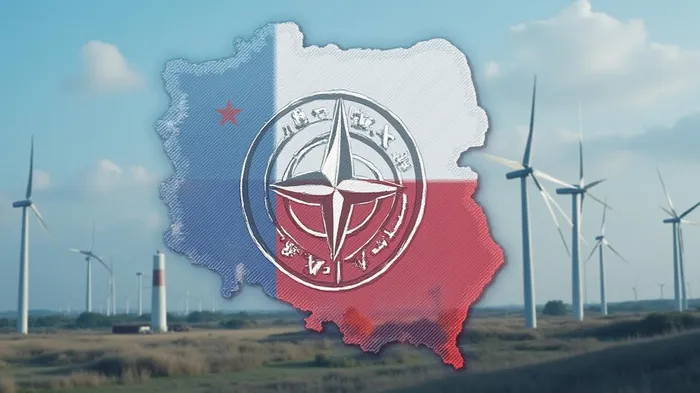
The stakes are existential for European energy and defense markets. Investors who act swiftly to position for either outcome will secure gains; those who delay risk obsolescence in a fast-changing geopolitical landscape. The clock is ticking—allocate now.
Data sources: Polish Ministry of Energy, NATO budget reports, EU Energy Roadmap 2030.
Market analysis as of May 26, 2025.







Comentarios
Aún no hay comentarios