
Poland's Presidential Election: A Crossroads for EU Alignment and Investment Risk
The June 1 runoff in Poland’s presidential election will determine whether the country pivots toward European integration or doubles down on MAGA-style nationalism—a decision with profound implications for investors in Eastern European equities. With Poland’s economy and regulatory environment at a crossroads, political risk arbitrageurs must act swiftly to position portfolios ahead of this critical vote. The stakes are clear: a pro-EU outcome unlocks billions in EU funds and regulatory alignment, while a nationalist victory risks geopolitical friction, sanctions, and market volatility. Here’s how to navigate the crossroads.
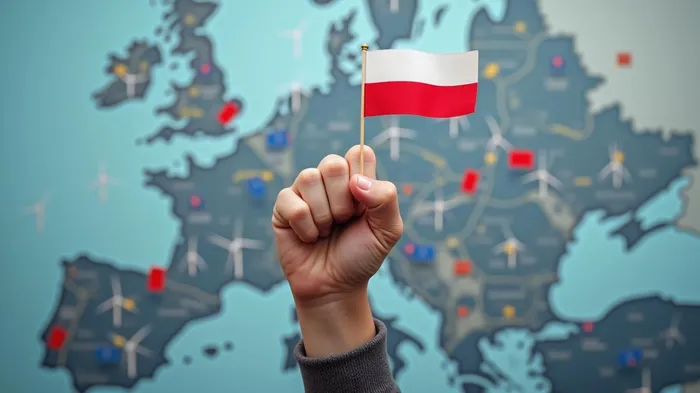
The Candidates: A Choice Between Integration and Isolation
The runoff pits Rafał Trzaskowski (Civic Platform, liberal centrist) against either Karol Nawrocki (PiS nationalist) or Sławomir Mentzen (far-right Confederation). Their ideologies could not be more divergent:
- Trzaskowski (Pro-EU Centrist): A Warsaw mayor turned presidential hopeful, Trzaskowski advocates EU collaboration, defense spending hikes (target: 5% GDP by 2026), and support for Ukraine’s EU membership. His victory would stabilize Poland’s ties with Brussels, unlocking access to €37 billion in EU recovery funds and accelerating infrastructure projects like the Baltic-Adriatic railway.
- Nawrocki/Mentzen (Nationalists): Both reject EU defense integration, prioritize U.S. alliancesAENT--, and oppose Ukraine’s EU/NATO aspirations. A nationalist win risks EU sanctions over judicial reforms, delays in fund disbursements, and heightened geopolitical tension with Kyiv and Moscow.
Sector Implications: Play Pro-EU Sectors—or Hedge Against Chaos
Investors should split their focus between two scenarios:
Scenario 1: Trzaskowski Wins (Pro-EU Trajectory)
- Energy/Infrastructure: EU funds will pour into renewable energy, railways, and smart grids. Polish utilities like Enea and infrastructure firms like Polski Koncern Drogowy stand to benefit.
- Technology: Regulatory alignment with the EU’s Digital Markets Act could boost Polish tech hubs, such as Getin Holding’s fintech ventures.
- Data Point:
Scenario 2: Nationalist Victory (Geopolitical Risk)
- Hedge Financials: Sanctions risk could hit Polish banks exposed to EU regulatory pressure. Short positions in PKO BP or PZU could protect portfolios.
- Oil/Gas Plays: A nationalist government may prioritize domestic energy independence, favoring coal and shale gas projects. Grupa Lotos could outperform if Poland turns inward.
- Data Point:
Timing is Everything: Act Before the Runoff
The May 18 first round will narrow the field, but the runoff outcome remains fluid. Key catalysts to watch:
- Poll shifts: A surge for Mentzen (far-right) could signal broader nationalist momentum.
- Ukraine Factor: Zelenskyy’s public warnings about Nawrocki’s risks may sway voters.
Investors should:
1. Buy into EU-linked equities by late May if Trzaskowski leads in polls.
2. Hedge with put options on financials if nationalist candidates gain traction.
3. Avoid overexposure to EU-sensitive sectors until post-runoff clarity emerges.
Final Call: The Risk-Arbitrage Edge
Poland’s election is a classic political risk trade: low volatility in pro-EU scenarios, high upside in infrastructure; high volatility and downside in nationalist outcomes. With the runoff less than a month away, the window to position is closing. Investors who act now—diversifying into EU-aligned sectors while hedging against geopolitical tailwinds—will be best placed to capitalize on this critical crossroads.
The choice is stark: Poland’s future as a European bridge or a nationalist bulwark. The market will price in the result long before June 1. Don’t wait—act now.







Comentarios
Aún no hay comentarios