
PNC's $4.1B FirstBank Acquisition: A Strategic Bet on Regional Banking's Resurgence
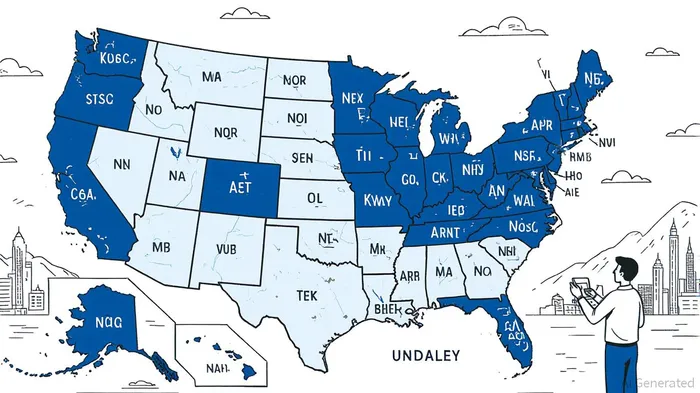
The banking sector is witnessing a quiet revolution. For years, national banks dominated headlines with their vast resources and digital-first strategies, while regional banks were seen as relics of a bygone era. But the tides are shifting. , , is not just a strategic move for one institution—it's a bellwether for a broader trend: regional banks are reclaiming their relevance through geographic expansion, cost synergies, and a renewed focus on local markets.
Strategic Geographic Expansion: Targeting High-Growth Markets
PNC's acquisition of FirstBankFRBA-- is a masterclass in strategic geographic targeting. By acquiring FirstBank, , , . This move positions PNC as the leading bank in Denver, . Colorado and Arizona, both experiencing robust population and economic growth, are ideal for PNC's long-term ambitions.
The decision to target these markets is not arbitrary. Colorado's economy, driven by tech, energy, and tourism, has seen consistent GDP growth, while Arizona's appeal as a low-tax, pro-business state has attracted businesses and residents alike. By embedding itself in these regions, PNC is capitalizing on demographic and economic tailwinds. For investors, this signals a bank that is not only reacting to macroeconomic trends but proactively shaping its future.
Cost Synergies and Operational Efficiency: The Hidden Engine of Value
While geographic expansion is the headline, the real value lies in the cost synergies and operational efficiencies PNC expects to unlock. , allowing for shared infrastructure, streamlined customer service, and enhanced digital banking capabilities. , a testament to its ability to optimize operations without sacrificing customer experience.
The acquisition also aligns with broader industry trends. Post-2008, regional banks have faced pressure to consolidate due to regulatory burdens, rising credit risks (particularly in commercial real estate), and the need to compete with tech-savvy national peers. PNC's move reflects a strategic pivot: leveraging scale to reduce costs while maintaining the local relationships that differentiate regional banks. For example, Kevin Classen, FirstBank's CEO, will transition to a leadership role overseeing Colorado, Arizona, and Utah, ensuring continuity in community engagement—a critical factor in retaining FirstBank's customer base.
The Resurgence of Regional Banks: A Post-Crisis Rebalancing
PNC's acquisition is part of a larger narrative: the resurgence of regional banks in a post-crisis banking environment. , the U.S. banking sector has seen a wave of consolidation, with national banks acquiring regional peers to expand their footprints. However, the tide is turning. Regional banks are now leveraging their agility and local expertise to outperform national competitors in key markets.
Data from the past decade reveals a stark shift. Between 2017 and 2021, the top 25 U.S. , with the pace accelerating during the pandemic. While national banks have thrived by scaling back physical locations and investing in digital infrastructure, regional banks have found a middle ground: expanding strategically in high-growth areas while retaining the human touch that national banks often lack. PNC's acquisition of FirstBank exemplifies this approach. By combining FirstBank's community-based model with PNC's national scale, the bank is creating a hybrid that appeals to both traditional and modern banking needs.
Investment Implications: Why Regional Banks Are Poised to Outperform
For investors, the PNC-FirstBank deal underscores a compelling opportunity. Regional banks that can execute strategic acquisitions—like PNC—are well-positioned to outperform in a market where operational efficiency and localized service are increasingly valued. The key metrics to watch include:
1. Cost-to-Income Ratios.
2. Deposit Growth, .
3. Branch Utilization.
Moreover, the regulatory environment, which now favors smaller banks with lower capital requirements, creates a more level playing field. This could spur further consolidation, with regional banks like PNC acquiring peers to diversify risk and expand market share.
Conclusion: A New Era for Regional Banking
PNC's acquisition of FirstBank is more than a transaction—it's a blueprint for the future of regional banking. By targeting high-growth markets, optimizing operations, and retaining local leadership, PNC is demonstrating that regional banks can compete with national giants on their own terms. For investors, this signals a shift in the sector's dynamics: regional banks are no longer just surviving; they're thriving.
As the banking landscape continues to evolve, those who recognize the strategic value of regional banks—like PNC—are likely to reap the rewards. The question is no longer whether regional banks can compete, but how quickly they can capitalize on the opportunities ahead.





Comentarios
Aún no hay comentarios